









Don’t let those glossy lifestyle magazines fool you into thinking that knowing how to prepare a home for winter requires a massive budget or a fleet of specialized contractors. I’ve spent eighteen years crawling under washing machines and pulling lint out of dryer vents in Bristol, and if there’s one thing I’ve learned, it’s that most “emergencies” are just preventable neglect in disguise. People call me out when their heating fails or their pipes freeze, but half the time, the machine was perfectly fine—it just hadn’t been looked after. You don’t need a lifestyle overhaul; you just need to stop ignoring the bits that actually do the work.
I’m not here to sell you on fancy gadgets or expensive seasonal service contracts that do nothing but pad a company’s bottom line. Instead, I’m going to show you how to do a proper, no-nonsense inspection of the mechanical heart of your house. We’re going to look at the filters, the hoses, and the moving parts that actually keep you warm and dry. My goal is simple: to help you keep your appliances running so you don’t end up throwing money away on repairs that a screwdriver and ten minutes of your time could have prevented.
Understanding How to Prepare a Home for Winter
When people ask me about winterproofing, they usually think about the big stuff—roofs or insulation. But after eighteen years of looking at what happens when things go wrong, I look at the guts of the house. Preparing for the cold isn’t about a massive renovation; it’s about understanding the mechanics of your home. You need to see your house as a series of systems that are all fighting against the temperature drop. If one part fails, the rest of the house feels the strain, usually in the form of a massive repair bill you didn’t see coming.
I always tell people to start with a basic furnace maintenance checklist before the first frost actually hits. It’s not just about heat; it’s about making sure the machine isn’t working twice as hard because of a clogged filter or a dusty sensor. You also can’t ignore the exterior. I’ve spent far too many mornings helping folks with the aftermath of preventing frozen pipes because they forgot to drain a garden hose or insulate an exposed line. It’s the small, mechanical oversights that cause the most grief.
Key Things to Know
First things first, stop looking at your home as a single unit and start looking at it as a collection of moving parts and sealed systems. Most people wait until they’re shivering in their living rooms to realize something is wrong, but by then, you’re already playing catch-up. I’ve spent eighteen years pulling apart machines that were perfectly fine, only to find they’d been neglected until they seized up. You need to treat your heating system with the same respect you’d give a delicate piece of cast iron; it needs a bit of attention before you put it under heavy load.
I always tell my customers to keep a simple furnace maintenance checklist taped to the side of the unit. It isn’t about being fancy; it’s about checking the basics like filters and airflow before the heavy frost sets in. While you’re at it, don’t ignore the smaller stuff like sealing window drafts or checking the insulation around your external taps. If you can stop the cold from getting in, you won’t have to work nearly as hard to get the heat back out. It’s about working smarter, not harder.
Practical Tips and Steps
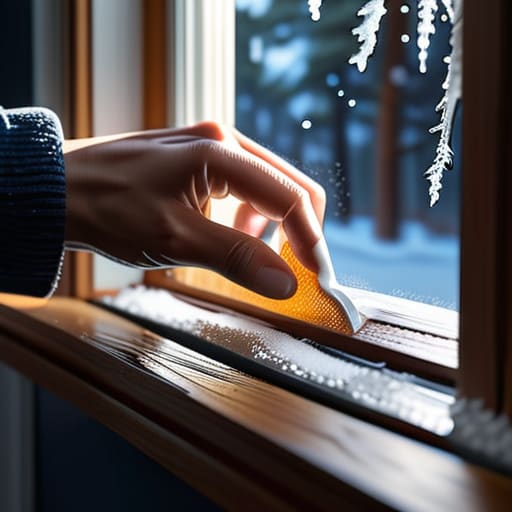
Start with the stuff that actually keeps the heat in. I’ve spent far too many afternoons looking at thermostats set to sky-high temperatures while the warmth simply leaks out through the cracks. Grab some weatherstripping or even just some heavy-duty caulk and get to work sealing window drafts before the first real frost hits. If you can feel a breeze coming through a frame, you’re essentially paying to heat the street, and that’s just bad business.
Next, let’s talk about the plumbing, because that’s where the real damage happens. I’ve seen enough burst pipes to know that protecting outdoor plumbing isn’t optional. Drain your garden hoses, shut off the valves to your exterior taps, and if you’ve got pipes in an unheated garage or shed, wrap them in some insulation. It’s a ten-minute job that saves you a ten-thousand-pound headache. Finally, don’t just ignore your heating system; run through a basic furnace maintenance checklist by cleaning the filters and checking the vents. Most people think their heater is broken when, in reality, it’s just suffocating under a layer of dust.
Common Mistakes to Avoid
The biggest mistake I see is people treating their appliances like they’re invincible. Most folks wait until they hear a grinding noise or smell something burning before they even think about a furnace maintenance checklist. By then, you aren’t just looking at a quick fix; you’re looking at a replacement bill that could cost more than the machine is worth. I’ve spent eighteen years pulling perfectly good heating elements out of scrap heaps just because someone couldn’t be bothered to clear the dust or check the filters.
Another blunder is ignoring the little things that lead to big, expensive headaches. People spend a fortune on heating bills but forget the basics, like sealing window drafts or properly protecting outdoor plumbing. I once had a customer in Clifton call me out in a panic because their pipes had burst, only to find they hadn’t even bothered to drain the external taps. It’s a waste of money and a massive headache. Don’t wait for the frost to do the damage for you; if you aren’t checking the seals and the hoses now, you’re just asking for trouble.
Final Thoughts
At the end of the day, getting your house ready isn’t about buying every fancy gadget in the hardware shop; it’s about actually looking at what you’ve got. I’ve spent nearly two decades pulling apart machines that people thought were dead, only to find they just needed a bit of attention and a clean filter. If you take the time to run through a basic furnace maintenance checklist and check your seals, you’re already ahead of ninety percent of the people I visit.
Don’t let the small stuff slide. A tiny gap around a window frame or a neglected outdoor tap might seem trivial now, but once the frost sets in, those little oversights turn into expensive headaches. Whether you’re protecting outdoor plumbing or just making sure your heating isn’t working twice as hard as it needs to, it’s all about prevention. Most of the “breakdowns” I see in January are just the result of things that could have been fixed in October. Just keep your eyes open, keep things clean, and don’t ignore the small signs before they become big repairs.
Five Bits of Maintenance to Save You a Call-Out Fee
- Check your washing machine’s drain filter before the first frost. I’ve lost count of how many people think their pump has died, only for me to pull out a handful of coins and a stray sock. If that filter is clogged, the machine struggles, and a struggling motor is a motor that burns out.
- Give your vacuum cleaner a proper once-over. Don’t just empty the dust bin; pull the filters out and wash them if they’re washable, or swap them if they aren’t. A choked vacuum works twice as hard to do half the job, and I’d rather you replace a filter than a motor.
- Inspect your dishwasher’s spray arms. If the little holes are blocked with limescale or bits of food, you’ll end up with dirty plates and a machine that’s running cycles far longer than it needs to. A quick soak in some vinegar usually does the trick.
- Take a look at your tumble dryer’s lint trap and the internal vent. If you let lint build up, you’re not just wasting electricity; you’re creating a fire hazard. I’ve seen more than one “broken” dryer that was actually just suffocating on its own debris.
- Don’t ignore the odd knocking sound from your appliances. If a machine starts sounding different as the temperature drops, it’s usually a sign of a belt slipping or a bearing struggling. Catching it early means a five-pound part instead of a whole new appliance.
The Bottom Line
Don’t let a bit of grit or a blocked filter turn a minor fix into a replacement bill; most winter “breakdowns” are just machines choking on neglect.
Get hands-on with your appliances before the temperature drops, because once the frost hits, a simple cleaning job becomes a much more expensive headache.
Stop treating your machines like disposable junk; if you take ten minutes to clear out the debris, they’ll likely outlast you.
A Bit of Common Sense Before the Cold Sets In
At the end of the day, preparing your home for the winter isn’t about buying a dozen expensive gadgets or hiring a fleet of specialists. It’s about the small, practical things that actually keep the gears turning. I’m talking about clearing those gutters so your foundation doesn’t get soaked, checking the seals on your windows, and—most importantly—making sure your heating elements and filters aren’t choked with dust. If you take the time to look under the hood of your household maintenance now, you won’t be left staring at a cold radiator or a flooded floor when the first frost hits. It’s all about preventing the avoidable before it turns into an emergency call-out.
I’ve spent eighteen years pulling apart machines that people thought were dead, only to find they just needed a bit of attention and a clean filter. Your home is no different. It’s a collection of moving parts, heating elements, and systems that all rely on a little bit of regular care to stay functional. Don’t wait for something to snap or seize up before you decide to pay attention. If you approach your winter prep with a bit of patience and a screwdriver in hand, you’ll find that most things aren’t actually broken—they just need you to notice them. Keep your machines clean, keep your pipes clear, and you’ll be just fine.
Frequently Asked Questions
If I find a bit of sludge in my washing machine filter while I'm at it, is it worth cleaning or should I just buy a new one?
Don’t you dare go out and buy a new machine over a bit of sludge. That’s exactly how these things end up in my scrap pile. If you’ve found gunk in the filter, it just means your machine is doing its job—trapping the bits of lint and hair that would otherwise clog your pump. Pull the filter out, rinse it under a warm tap, and give it a scrub. It’s a five-minute job, not a reason for a new appliance.
How often should I actually be checking the seals on my appliances before the damp weather sets in?
Look, don’t wait for the damp to settle in before you start poking around. I’d say give them a proper once-over every three months, but at least do a visual check before the autumn rains hit. Grab a cloth, wipe down the rubber seals on your washing machine and dishwasher, and look for any grey sludge or cracks. If you find mold or a split, fix it now—don’t wait for a leak to ruin your floor.
Do I really need to worry about the vacuum cleaner's motor if it's just acting a bit sluggish during the winter months?
If it’s acting sluggish, it’s usually not the motor itself, but the air trying to get to it. Winter means more dust, more grit, and more heavy coats being shaken out. That grit clogs your filters and chokes the suction. If the motor struggles, it’s overheating because it’s fighting a vacuum seal. Don’t let it burn out. Clean the filters and check the hose for blockages before you go buying a new machine.
