







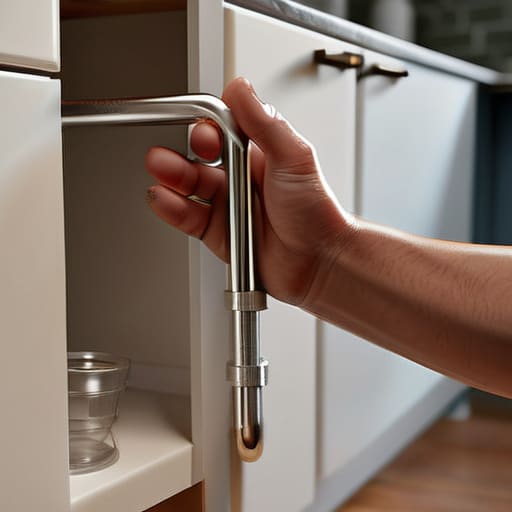

People will tell you that if your drain is standing still, you need to go out and buy a bottle of that corrosive, steaming-hot liquid junk from the supermarket. They’re wrong. I’ve spent eighteen years pulling apart everything from washing machines to vacuums, and I can tell you that most “plumbing disasters” are just a bit of trapped debris that needs a firm hand, not a vat of acid. Honestly, unblocking a sink without chemicals is usually much easier than people think; you don’t need to melt your pipes just to clear a bit of grease or a stray bit of food.
I’m not here to sell you any fancy gadgets or expensive “eco-friendly” sprays that don’t actually work. Instead, I’m going to show you the proper, mechanical way to get things moving again using basic tools you likely already have in your kitchen drawer. We’ll walk through how to clear the trap, how to use a plunger without making a mess, and how to keep things flowing so you don’t end up calling an expensive plumber for something a five-minute fix could have solved.
Guide Overview
Tools & Supplies
- Plunger [Cup-style for sink drains]
- Bucket [To catch excess water/debris]
- Baking soda [1/2 cup]
- White vinegar [1/2 cup]
- Boiling water [1 kettleful]
Step-by-Step Instructions
- 1. First thing you need to do is clear out the clutter. Get everything out from under the sink—the cleaning sprays, the sponges, and whatever else is cluttering up the cupboard. You need a bit of elbow room to work, and you don’t want to be knocking over half your cleaning supplies when things inevitably get a bit messy.
- 2. Grab a bucket or a large plastic bowl and place it directly underneath the P-trap. That’s the U-shaped bit of pipe right under the drain. When you unscrew that trap, whatever is causing your blockage is going to come out with it, and it’s going to be unpleasant. I’ve seen everything from congealed fat to old bits of cutlery in there, so don’t go expecting it to be clean.
- 3. Now, you’ll need to loosen the slip nuts on the trap. Most of the time, you can do this by hand, but if they’ve been sitting there for a decade, you might need a pair of adjustable pliers. Just be careful not to over-tighten them once you put things back together; you don’t want to crack the plastic or strip the threads.
- 4. Once the trap is off, take it over to another sink or outside to the garden tap. This is where you’ll find the actual culprit. Most of the time, it’s just a thick plug of hair, soap scum, or food scraps. Use an old toothbrush or a bit of wire to scrub the inside of the pipe until it’s clear. If the trap itself is clogged, give it a good rinse until the water runs through it freely.
- 5. Before you screw everything back on, take a look up into the pipe that leads into the wall. If the blockage is further down than the trap, you might need to use a manual drain auger—what some people call a plumbing snake. You just feed it in until you feel resistance, give it a bit of a twist to grab the gunk, and pull it back out. It’s much more effective than any liquid you’ll buy in a supermarket.
- 6. Reassemble the trap, making sure the rubber washers are seated correctly. If the washers look flattened or cracked, just replace them. They cost pennies and it’s the difference between a working sink and a flooded kitchen. Tighten the nuts until they’re firm, but remember: don’t go mad with the force.
- 7. Finally, turn the tap on and let the water run. Start with a slow trickle to check for any leaks around the joints. If it stays dry, turn it up to full blast to flush out any remaining bits of debris. If you see a drip, give those nuts a tiny nudge with the pliers, but usually, if you’ve seated the washers right, you’ll be good to go.
Understanding Unblocking a Sink Without Chemicals
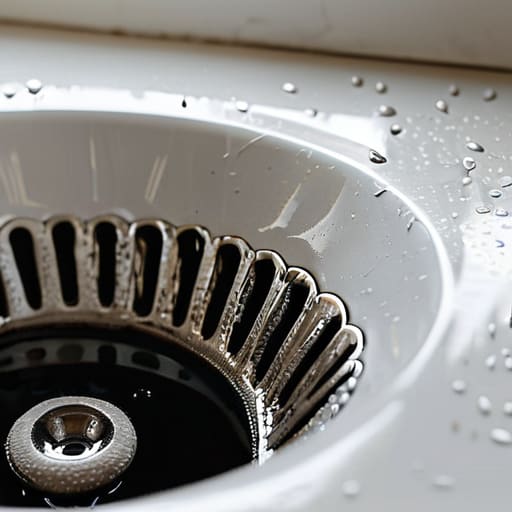
Look, I’ve spent eighteen years pulling things apart, and I can tell you that most people treat a slow drain like a terminal illness when it’s usually just a bit of neglect. Before you go reaching for those caustic, store-bought liquids that eat away at your pipes, you need to understand what’s actually happening down there. Usually, it isn’t a massive structural failure; it’s just a buildup of fats, soap scum, or—if it’s a bathroom sink—the inevitable task of removing hair from sink drain openings. These materials don’t just vanish; they weave themselves into a sticky mess that grabs onto every other bit of debris passing by.
If you want to avoid a massive bill from a plumber, you have to learn the difference between a surface clog and a deep one. Sometimes, a simple bit of baking soda and vinegar drain cleaning is enough to fizz away the light grease, but if that doesn’t do the trick, you’re going to have to get your hands dirty. There is no substitute for cleaning a P-trap manually when the blockage is stubborn. It’s a bit of a mess, sure, but it’s far more satisfying than pouring acid down a pipe and hoping for the best.
Key Things to Know
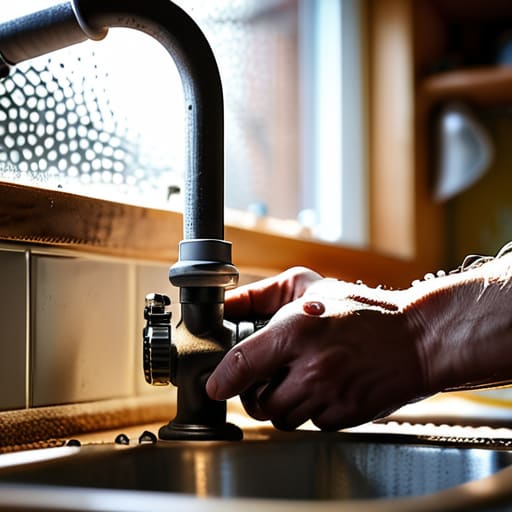
Before you start poking around, you need to understand that not all clogs are created equal. If you’ve got a slow drain, it’s usually just a buildup of grease or soap scum that a bit of boiling water might shift. But if the water is standing completely still, you’re likely dealing with something physical, like a clump of hair or a stray bit of food. In those cases, you’ll need to get your hands dirty and focus on cleaning a P-trap manually. It’s a messy job, but it beats pouring expensive, corrosive liquids down the pipes only to have them sit there and eat away at your plumbing.
I’ve seen plenty of people try the whole baking soda and vinegar drain cleaning trick, and while it’s a fine way to freshen things up, it isn’t a magic wand for a heavy blockage. It’s more of a preventative measure than a heavy-duty fix. If you find yourself reaching for the plunger, remember that technique matters more than strength; you need a tight seal to create the vacuum necessary to move the obstruction. If you can’t clear it with pressure, it’s time to get the wrench out.
A Few Bits of Advice from Someone Who's Seen Too Many Clogs
- Don’t go hammering on the pipes. I’ve seen plenty of people try to force a plunger or a snake through a blockage with way too much aggression, only to end up with a cracked U-bend and a flooded kitchen. It’s about steady pressure, not brute force.
- Keep a bucket handy before you touch a single nut or bolt. You might think the trap is empty, but once you unscrew that plastic housing, you’re going to get a face full of grey, stagnant water that’s been sitting there for months. Trust me, you don’t want that on your floor.
- Check the “gunk” factor. Half the time, it isn’t a massive obstruction; it’s just a buildup of hair, soap scum, and old food bits clinging to the sides. If you’re cleaning out the trap, take a proper scrub at the inside of the pipes while they’re apart.
- If you’re using a plunger, make sure there’s enough water in the sink to cover the rubber cup. If you’re just plunging air, you aren’t moving anything. You need that weight of water to create the suction that actually pushes the clog through.
- Watch out for those cheap plastic washers. When you’re putting the sink back together after clearing the blockage, check that the seals aren’t perished or flattened. There’s nothing more annoying than fixing a clog only to spend the next three days mopping up a slow drip from a dodgy washer.
The Bottom Line
Most “broken” plumbing is just a bit of trapped debris; you don’t need a chemistry degree or expensive liquids, just a bit of patience and a wrench.
Stop pouring harsh acids down your pipes; they’re more likely to eat your seals and damage your plumbing than they are to actually fix the problem.
If you can’t clear it with a plunger or a manual clean, it’s time to stop guessing and actually get under the sink to look at the trap.
A bit of common sense goes a long way
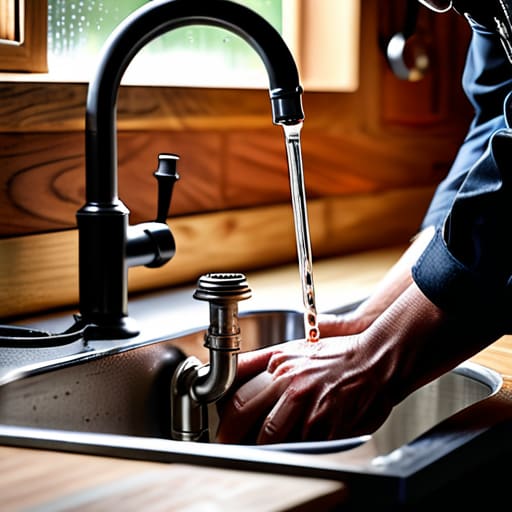
At the end of the day, unblocking a sink doesn’t have to be a massive ordeal involving expensive, corrosive liquids that eat away at your pipes. Whether you’ve used a simple plunger, a bit of boiling water, or actually got your hands dirty with a drain snake, you’ve solved the problem the right way. Most of the time, it’s just a matter of removing the physical blockage rather than trying to melt it away with chemicals. I’ve spent eighteen years pulling apart machines and plumbing, and I can tell you that once you understand how the water is supposed to flow, you stop looking for a magic potion and start looking for the actual grit or grease causing the trouble.
It might feel a bit more hands-on than you originally planned, but there is a real sense of satisfaction in fixing something yourself without needing a specialist or a bottle of toxic sludge. We live in a world where people tend to bin things the moment they stop working properly, but most of these issues are just small, fixable hiccups. Don’t be afraid to get a bit messy and take a look under the sink. Once you realize that a bit of manual effort can save you both money and a lot of frustration, you’ll find you don’t need much else to keep a household running smoothly.
Frequently Asked Questions
What if I try the manual way and the water still won't budge?
If the manual clear hasn’t done the trick, you’re likely looking at a blockage deeper in the pipes or perhaps a venting issue. Don’t go pouring boiling water or more chemicals down there just yet; you’ll only make a mess. If you’ve cleared the trap and it’s still backed up, it’s time to get a plumbing snake—or a heavy-duty drain auger—into the wall pipe. If that doesn’t move it, the problem is further down the line.
Is it safe to use a plunger on older, more fragile pipes?
You have to be careful there. If you’re dealing with old lead or thin, corroded copper, a heavy-handed plunger can actually do more harm than good. The pressure can pop a joint loose or crack a weakened section of pipe. If the plumbing looks dodgy, don’t go at it like you’re trying to clear a blocked toilet. Use a gentle, steady rhythm instead. If it doesn’t budge, stop before you cause a flood.
How do I know if the blockage is just a simple clog or something much worse deeper in the plumbing?
If the water is just sitting there in the basin after you’ve cleared the trap, you’re likely looking at a simple clog in the U-bend. But if you clear that trap and the sink still won’t drain, or if you hear gurgling coming from other taps, the problem is deeper in the pipes. If your toilet starts acting up when you run the sink, stop poking around; you’ve got a main stack issue.
