








I’ve spent eighteen years elbow-deep in the guts of washing machines and vacuums, and if there is one thing I’ve learned, it’s that people are far too quick to assume something is “broken” when it’s actually just neglected. I remember a job in Clifton last year where the customer was convinced her chandelier was faulty because the light kept flickering; turns out, it was just a thick, greasy layer of dust choking the connection. Most folks think cleaning light fittings safely means a quick wipe with a damp cloth while the switch is off, but I’ve seen enough scorched sockets to know that’s a recipe for disaster.
I’m not here to give you some fancy, polished manual that sounds like it came out of a showroom. I’m going to give you the straight truth on how to get those fixtures shining without risking a nasty shock or cracking a glass shade. We’ll go over the proper way to isolate your power, the right tools to use so you don’t leave streaks, and how to handle those fiddly little components that most people end up snapping off. It’s simple, practical work, provided you don’t rush it.
Guide Overview
Tools & Supplies
- Step ladder for stable height access
- Microfiber cloth for dust removal
- Screwdriver if fixture covers need removal
- Non-abrasive cleaning solution or water
- Soft brush for intricate crevices
Step-by-Step Instructions
- 1. First thing’s first: you need to kill the power. Don’t just flick the wall switch and hope for the best; if you’re working on a fixture that’s wired directly into the ceiling, go to the consumer unit and trip the breaker. I’ve seen enough people get a nasty jolt because they thought a switch was enough, and no amount of cleaning is worth a trip to the hospital.
- 2. Once you’re sure the juice is off, get your ladder steady. I don’t care if it’s a sturdy step ladder or a kitchen chair—if it feels sketchy, don’t use it. You need both hands free to handle the glass and the hardware, so make sure you’re on a platform that won’t wobble when you start applying any pressure.
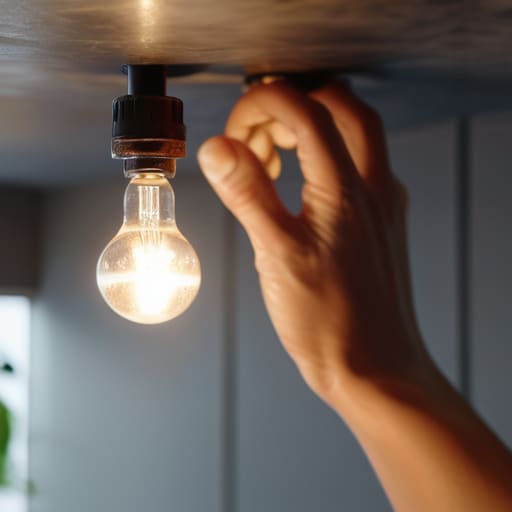
- 3. Carefully remove the bulbs. If they’re old or the heat has made them a bit sticky in the socket, don’t go forcing it. Give them a gentle, steady twist. If a bulb snaps in your hand because it’s brittle, you’ve turned a simple cleaning job into a much bigger headache involving tweezers and a lot of swearing.
- 4. Take the shades or glass covers off and get them to the sink. Most of the time, it’s just a layer of greasy dust that’s turned into a film. Use warm water and a bit of mild dish soap. Avoid anything too abrasive; you don’t want to scratch the finish on a nice piece of brass or frosted glass just because you were being impatient.
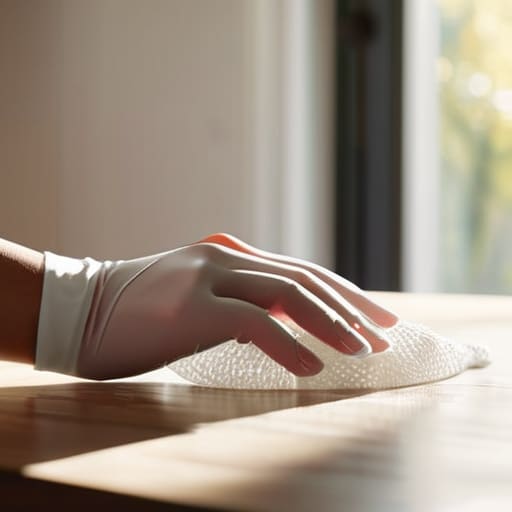
- 5. While the covers are drying, grab a soft, dry microfiber cloth for the actual metal housing. I’ve seen people try to scrub grime off with steel wool, which is a complete waste of time and leaves the metal looking like it’s been through a gravel pit. Just a damp cloth for the stubborn bits and a dry one to buff it out is all you really need.
- 6. Before you put everything back together, take a moment to look inside the fixture. Check for any loose wires or signs of scorched plastic. If you see something that looks burnt or frayed, stop right there. That’s not a cleaning issue; that’s a repair issue, and you’ll want to get a proper look at the wiring before you seal it all back up.
- 7. Reassemble the unit, starting with the glass or shades, and screw your bulbs back in. When you’re ready to test it, head back to the consumer unit to restore the power. If the light comes on without any flickering or popping, you’ve done it right. It’s usually that simple, provided you don’t take any unnecessary shortcuts.
Understanding Cleaning Light Fittings Safely
Most people treat a dusty light fixture like it’s some delicate piece of fine china, but they usually make it much harder than it needs to be. Before you even reach for a cloth, you need to get your head around the basics of electrical safety precautions for cleaning. I’ve seen enough people get a bit of a fright because they thought they’d turned the switch off, but the switch only cuts the live wire—it doesn’t guarantee the circuit is dead. If you’re dealing with anything more complex than a simple bulb, I always suggest flicking the breaker at the consumer unit. It takes ten seconds and saves you a trip to the A&E.
Once you know you aren’t going to get a shock, you can look at the actual grime. If you’re stuck with a high fixture and you’re looking into cleaning ceiling lights without a ladder, don’t go trying to balance on a wobbly kitchen chair; that’s how accidents happen. Use a long-reach duster or a telescopic pole instead. Also, keep in mind that different materials need different touches. You wouldn’t scrub a delicate crystal with the same grit you’d use on a plastic cover. Treat the hardware with respect, and it’ll keep shining for years.
Key Things to Know

One thing I’ve learned from years of poking around in dusty corners is that people tend to overcomplicate the actual chemistry. You don’t need a laboratory kit to get a fixture sparkling; usually, just some mild soap and water are the best safe cleaning solutions for glass fixtures. If you’re dealing with something more delicate, like how to clean chandelier crystals, skip the heavy sprays that leave streaks. A soft microfiber cloth and a bit of patience do more than any expensive chemical ever will.
I also see a lot of people making a mess by trying to reach things they shouldn’t. If you’re cleaning ceiling lights without a ladder, use a long-handled duster to get the bulk of the grime off first. It saves your back and keeps you from wobbling on a kitchen chair. While you’re at it, make sure you’re removing cobwebs from light fittings before you even touch the glass. If you try to wipe a thick web with a wet cloth, you’ll just end up with a grey, sticky sludge that’s a nightmare to get out of the crevices.
A Few Things I've Learned the Hard Way
- Don’t trust the switch. Even if the light is off, I always pull the plug or flip the breaker. I’ve seen too many people get a nasty jolt because they assumed a switched-off cord was a dead one.
- Ditch the spray bottle. Never spray cleaning fluid directly onto a fitting. You’ll end up with liquid seeping into the sockets or the wiring, and that’s a recipe for a short circuit or a fire.
- Use a damp cloth, not a soaking one. You want the grime gone, not a puddle. Wring your rag out until it’s barely moist; if you can squeeze a drop out of it, it’s too wet for electrical work.
- Check the heat first. It sounds obvious, but I’ve seen people rush in while the bulb is still hot. Give the fixture ten minutes to cool down properly, or you’ll end up with a burnt hand and a cracked glass shade.
- Watch your footing. If you’re using a step ladder to reach a ceiling pendant, make sure it’s on a flat, dry surface. There’s no sense in cleaning a light if you end up falling off a wobbly chair in the process.
The Bottom Line
If you haven’t cut the power at the mains, you haven’t started cleaning; don’t trust a switch when you’re working with water and glass.
Stop scrubbing like you’re trying to remove a stain from a carpet; light fittings aren’t built for brute force, so use a soft cloth and a bit of patience.
Most “broken” fixtures are just dusty or have a loose connection, so check the basics before you go out and spend money on a replacement.
Don't Let the Dust Win

At the end of the day, cleaning your lights isn’t some grand engineering feat, but it does require a bit of common sense. Just remember the basics: kill the power at the source, keep your cloths damp rather than soaking, and for heaven’s sake, don’t go wrestling with a fixture while you’re still standing in a puddle. Most of the issues I see aren’t from faulty wiring, but from people being too impatient and accidentally knocking a bulb loose or cracking a delicate housing because they were rushing. If you take the time to respect the hardware, you won’t find yourself calling me out to fix something that was perfectly fine ten minutes ago.
I’ve spent nearly two decades pulling apart machines that people thought were dead, only to find they just needed a bit of care and a steady hand. Your home is much the same way. You don’t need to replace everything the moment it looks a bit grim or dim. A little bit of regular maintenance and a bit of patient attention goes a long way toward making things last. It’s not about being perfect; it’s just about not throwing things away before they’ve actually given up the ghost. Keep your tools ready and your wits about you, and you’ll do just fine.
Frequently Asked Questions
Is it actually safe to use a damp cloth on the glass, or am I going to cause a short circuit if a bit of water drips into the socket?
It’s safe, provided you aren’t being reckless with it. A damp cloth is fine for the glass, but “damp” doesn’t mean “dripping.” If you’re squeezing water out of a sponge and it’s still running, you’re asking for trouble. I’ve seen enough fried sockets to know that moisture is the enemy. Keep the cloth wrung out tight, avoid the actual bulb base entirely, and for heaven’s sake, make sure the power is off first.
What do I do if I'm trying to reach a high ceiling fixture and the ladder feels a bit dodgy?
If the ladder feels dodgy, stop. I’ve seen enough people end up in A&E because they thought they could “just reach” a pendant light. If you’re wobbling, you aren’t working; you’re just waiting for a fall. Put the screwdriver down and find a proper step ladder or, better yet, get someone taller to help. It’s not worth a broken wrist just to clear some dust off a shade. Don’t risk it.
Can I use standard glass cleaner on these, or will the chemicals strip the finish off the metal housing?
I wouldn’t risk it. I’ve seen enough brushed nickel and painted housings turned dull and patchy because someone went in with a heavy-duty spray. Those chemicals are fine for a window, but they’re too aggressive for a decorative finish. Stick to a soft cloth and a bit of warm, soapy water instead. It takes an extra minute, but you won’t end up with permanent streaks or a stripped-back metal that looks like it’s been through a grit blast.
