









I was elbow-deep in a Bosch last Tuesday—one of those jobs where the customer is convinced they need a brand-new motor—only to find the drum coated in a thick, grey sludge of hair, grit, and old detergent. It’s the same story every week in Bristol. People think they need a technician or a replacement part, but usually, they just need to learn how to clean a washing machine drum properly. Most of the machines I scrap aren’t actually broken; they’re just suffocating under layers of neglect that could have been cleared out with a bit of common sense and a bit of elbow grease.
I’m not going to sell you on expensive, fancy-smelling chemicals that do nothing but leave a film behind. Instead, I’m going to show you the honest, no-nonsense way to get that drum smelling fresh and running like new again. We’ll go through the actual steps, from the seals to the filters, so you can stop wasting money on repairs that aren’t necessary. If you follow this, you’ll find that most “breakdowns” are really just a matter of proper maintenance.
Guide Overview
Tools & Supplies
- Microfiber cloth for wiping surfaces
- Old toothbrush for scrubbing crevices
- White vinegar 2 cups
- Baking soda 1/2 cup
Step-by-Step Instructions
- 1. First things first, you need to clear out the obvious junk. Open the door and reach your hand inside the drum to feel around the rubber seal—that’s the gasket. I can’t tell you how many times I’ve found a stray bra wire or a handful of loose coins tucked in there. Use a damp cloth to wipe away any slimy grey buildup that’s gathered in the folds of that rubber.
- 2. Now, don’t go reaching for those fancy, overpriced specialty cleaners just yet. Most of the time, a good old-fashioned dose of white vinegar or a bit of citric acid does the trick. Pour about two cups of white vinegar directly into the detergent drawer. It’s a bit old-school, but it’s far more effective at breaking down limescale than most of the scented nonsense you see in the supermarket aisles.
- 3. Set your machine to the hottest cycle it can manage—usually a 90-degree wash. You want the water temperature to be high enough to actually melt the fats and residues left behind by your fabric softener. If you’re using citric acid instead of vinegar, just sprinkle it into the drum before you start. Let the machine run its full course without any clothes in it.
- 4. While that’s running, you need to deal with the part everyone forgets: the filter. I’ve scrapped enough machines to know that a dirty filter is the number one reason a machine starts acting up. Find the little flap at the bottom front of the machine, pop it open, and get a shallow tray ready because it will spill some water. Unscrew the cap slowly and clear out the hair, lint, and whatever else has decided to live in there.
- 5. Once the machine has finished its hot cycle, take a dry cloth and wipe down the inside of the door and the rubber seal again. Sometimes the heat loosens the gunk but doesn’t quite wash it all away, leaving a bit of a residue. It’s a small job, but it’s the difference between a drum that smells like a damp basement and one that actually smells clean.
- 6. Finally, leave the door propped open. This is the simplest bit of advice I give, and yet people ignore it constantly. If you shut that door tight as soon as the cycle ends, you’re just trapping moisture inside, which is an invitation for mould to move in. Let it breathe for a few hours so the drum can dry out completely.
Understanding How to Clean a Washing Machine Drum
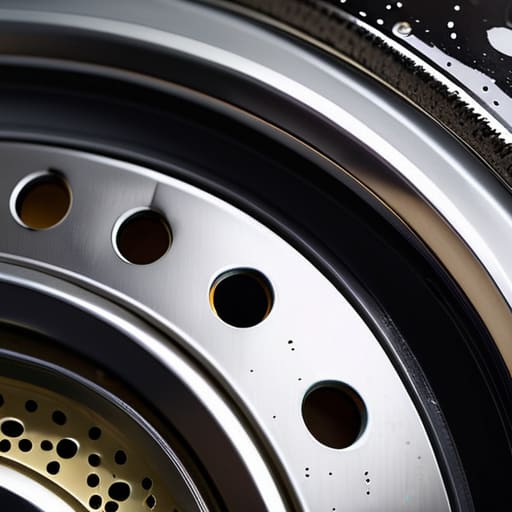
You have to understand that a drum doesn’t just get dirty by itself; it’s a collection of everything you’ve tried to wash away. Over time, those little bits of lint, hair, and undissolved powder settle in the gaps. If you aren’t careful, you end up with a buildup that starts to smell like a damp basement. Most people think a quick rinse is enough, but if you want to truly remove washing machine odors, you need to look at the places where the water doesn’t flow freely.
I’ve spent eighteen years pulling these things apart, and I can tell you that the drum is only half the battle. If you ignore the rubber ring, you’re fighting a losing game. Cleaning the washing machine door seal is just as vital as scrubbing the metal, because that’s where the real nastiness hides. I also always tell my customers that preventing mold in washing machine units starts with letting the door stay ajar between loads. It’s a simple habit, but it saves you from having to deal with a machine that smells like a swamp.
Key Things to Know
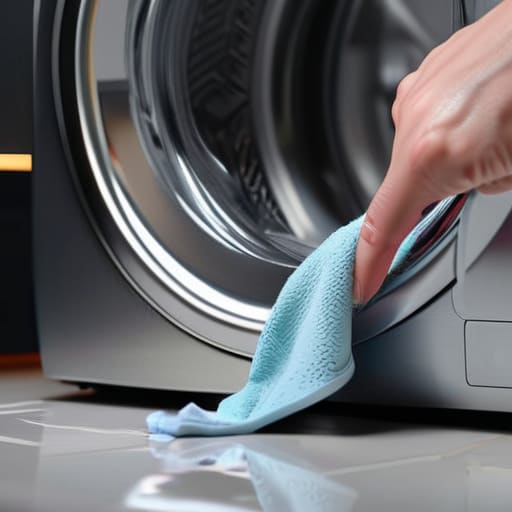
One thing I’ve learned over eighteen years of pulling these machines apart is that the drum is only half the battle. You can scrub that stainless steel until it shines, but if you aren’t cleaning the washing machine door seal at the same time, you’re just wasting your afternoon. That rubber gasket is a magnet for damp lint and hair, which is exactly how you end up with that sour, stagnant smell. If you ignore the folds in the seal, you’ll never truly remove washing machine odors for good, no matter how many expensive cycles you run.
I also see far too many people blaming a “broken” machine when the real culprit is just a bit of neglect in the small places. You need to keep an eye on cleaning detergent drawer buildup, because if that tray is choked with old, congealed softener, it’s going to spit sludge right back into your clean clothes. It’s a simple bit of maintenance, but it’s often the difference between a machine that lasts a decade and one that ends up in a scrap heap because the owner thought it was “faulty.”
A few things I’ve learned from eighteen years of looking inside these machines
- Don’t just focus on the drum; if you don’t clear out the rubber seal, you’re just moving the grime around. I’ve seen enough grey sludge hiding in those folds to last a lifetime.
- Stop using so much detergent. People think more bubbles mean more clean, but all you’re doing is building up a waxy layer of residue that smells like a damp basement after a month.
- Check your filter every single time you do a deep clean. I keep a drawer full of filters from scrapped machines, and half the time, they’re choked with coins, hairpins, and bits of lint that should have been caught long ago.
- Leave the door open when you’re finished. If you shut that door tight every time, you’re basically creating a petri dish for mould, and no amount of scrubbing will fix a machine that’s been allowed to sit damp and dark.
- Run a hot cycle occasionally. A bit of heat helps melt away the fats and oils from your clothes that a cold wash just leaves sitting on the metal surfaces.
The bottom line
Don’t go buying a new machine just because it smells or isn’t spinning right; nine times out of ten, it’s just a buildup of gunk that a proper clean will sort.
Check your filters and hoses every few months, because most “breakdowns” I see are actually just a blocked drain or a stray coin wedged in the works.
A bit of regular maintenance saves you a fortune in call-out fees and keeps perfectly good appliances out of the scrap heap.
A bit of maintenance goes a long way
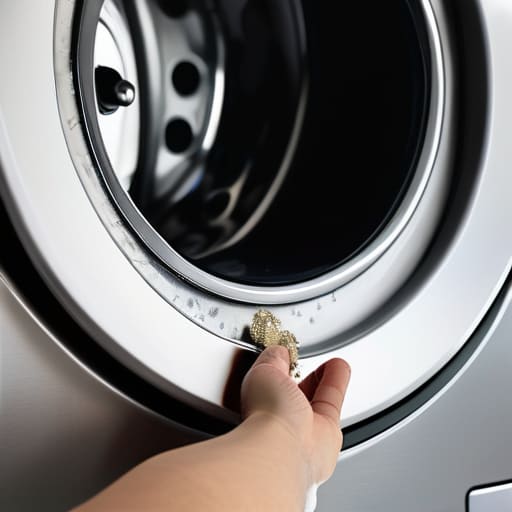
At the end of the day, keeping your machine running isn’t about fancy chemical sprays or expensive services; it’s about the basics. If you can remember to clear out that debris filter, run a hot cycle once a month, and stop leaving the door shut so it stays damp, you’ve done more than most. I’ve spent eighteen years pulling apart machines that people thought were “dead,” only to find they were just choking on a bit of lint or a stray coin. Don’t let a simple buildup of grime turn into a costly repair job when a bit of regular attention is all it really takes to keep things moving.
We live in a world where people are far too quick to bin something the moment it starts acting up. It’s a waste, and frankly, it’s a bit sad to see a perfectly good appliance end up in a landfill just because of a blocked hose or a smelly drum. You don’t need to be a technician to take care of your things, you just need to stop treating them as disposable. Treat your machine with a bit of respect, give it a thorough clean every now and then, and it’ll likely outlast the next three you buy.
Frequently Asked Questions
If my machine smells like old socks even after a hot wash, is it the drum or something deeper in the pipes?
If it still smells like old socks after a hot wash, the drum isn’t your only culprit. You’ve likely got a buildup of biofilm or trapped sludge sitting in the outer tub or the drain hose. I’ve pulled many a machine apart only to find a thick layer of grey gunk hiding just out of sight. Check your filter first, but if that’s clear, the smell is likely lodged deep in the pipes.
Do I really need to use those fancy, expensive cleaning tablets, or will a bit of white vinegar and some baking soda do the job?
Look, I’ve seen people spend thirty quid on a box of fancy tablets only to have the machine smell again a week later. You don’t need the marketing fluff. A good soak with white vinegar and some baking soda will shift most of the grime and limescale just fine. Save your money for something useful—like a decent set of screwdrivers. If the machine is truly filthy, just make sure you clear the filter too.
How often should I actually be doing this if I'm only running a few loads a week?
Even if you’re only running a couple of loads a week, that buildup doesn’t stop. In fact, less frequent use can sometimes be worse because moisture sits in the seals longer. I’d say aim for once a month, minimum. It keeps the gunk from hardening and prevents that sour smell from taking hold. Better to spend ten minutes cleaning it now than having to call me out to fix a stinking drum later.
