







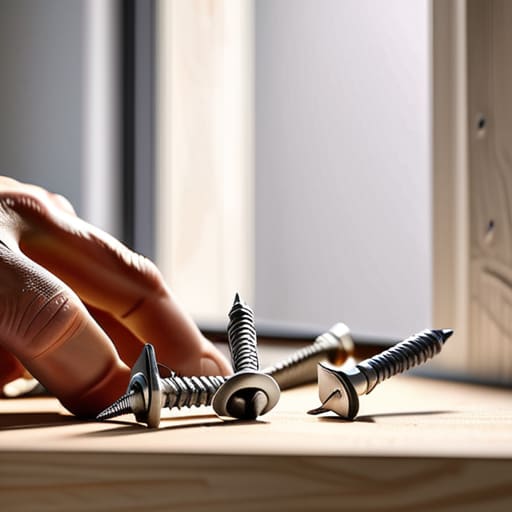

I’ve spent eighteen years pulling apart washing machines and vacuums, and if there’s one thing I’ve learned, it’s that people are far too quick to give up on things just because they look a bit dodgy. I see it all the time with appliances—a simple blocked hose and suddenly the whole machine is headed for the tip. It’s the same when people tackle DIY. They think that because they’re working with hollow walls, they’re doomed to failure, but figuring out how to hang something heavy on plasterboard isn’t about magic; it’s just about understanding what’s actually holding the weight. Most people just grab a random screw, shove it in, and then act surprised when their heavy mirror ends up in pieces on the floor.
I’m not here to give you a lecture or sell you some fancy, overpriced kit you don’t need. I want to show you how to do this properly so you aren’t patching up holes every six months. I’ll walk you through the different types of anchors, which ones actually bite into the wall, and exactly where you should be looking for those solid studs. We’re going to get your heavy bits up on the wall without the heartbreak of a crumbling ceiling.
Guide Overview
Tools & Supplies
- Stud finder to locate wooden supports behind the plasterboard
- Power drill with appropriate drill bits for hole sizing
- Spirit level to ensure the item is straight
- Pencil for marking drill points
- Heavy-duty toggle bolts or hollow wall anchors (size appropriate for weight)
- Screws (usually included with anchors)
- Wall plug/fixings (if using stud-mounted method)
Step-by-Step Instructions
- 1. First thing’s first: you need to stop and look at what you’re actually trying to hang. If you’re thinking of putting a heavy shelving unit or a massive mirror on a bit of thin plasterboard, you’d better find a stud first. Take a stud finder—or if you’re old school like me, give the wall a few light taps to listen for that solid thud—and mark exactly where those wooden timber studs are. If you can hit the wood, you’ve already won half the battle.
- 2. If you can’t find a stud where you need it, don’t just start drilling blindly. You’re going to need the right kind of anchor, and I don’t mean those tiny plastic plugs that come in a cheap kit. For anything with real weight, go out and get some heavy-duty metal toggle bolts. They work by spreading the load behind the board, which is much better than just trying to bite into the gypsum and hoping for the best.
- 3. Once you’ve picked your spot and your anchor, it’s time to drill. Use a drill bit that matches the size of your anchor exactly. If the hole is too small, you’ll be fighting it for twenty minutes; if it’s too big, the whole thing is going to slide right out the moment you put weight on it. Take your time and keep the drill straight.
- 4. Now, take your toggle bolt and thread the screw through the bracket or the item you’re hanging before you put the anchor in the wall. It’s a classic mistake to get the anchor set perfectly only to realize you can’t reach the screw through the bracket. Trust me, I’ve seen enough DIY disasters to know that measuring twice is better than cursing a screw you can’t reach.
- 5. Insert the anchor through the hole you’ve drilled. If it’s a toggle bolt, you’ll need to squeeze the “wings” together to get it through the hole. Once they pass through the back of the plasterboard, they’ll spring open. Give it a little wiggle to make sure it’s seated properly and isn’t just rattling around in a void.
- 6. Tighten the screw firmly, but for heaven’s sake, don’t over-tighten it. Plasterboard is essentially compressed chalk; if you crank that screw too hard, you’ll just strip the hole and end up with a pile of white dust and a useless wall. Tighten it until the bracket is snug against the wall and doesn’t move when you give it a firm tug.
- 7. Finally, do a quick test. Before you go hanging your expensive ceramics or heavy tools, give the bracket a gentle but firm pull. If you hear any crunching or see any cracks forming in the plaster, stop immediately. It’s much easier to move the bracket ten centimeters to the left now than it is to patch a gaping hole in your wall later.
Understanding How to Hang Something Heavy on Plasterboard
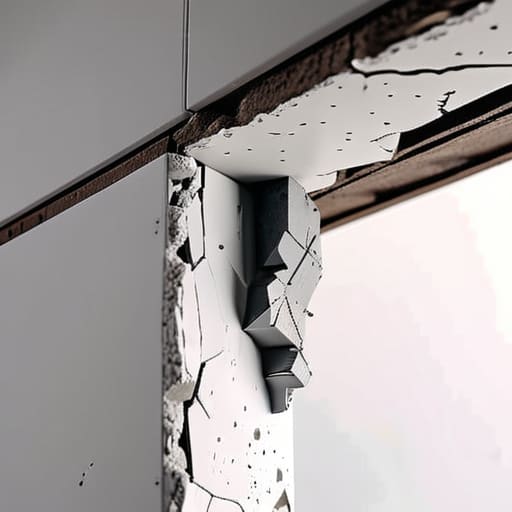
Before you even pick up a drill, you need to understand that plasterboard isn’t a solid foundation; it’s essentially just compressed chalk sandwiched between paper. If you try to hang a heavy washing machine bracket or a bulky shelf using the wrong fixings, you aren’t just looking at a crooked picture—you’re looking at a collapsed wall. You have to respect the load bearing capacity of plasterboard, which is surprisingly low if you aren’t careful. I’ve seen plenty of people try to save a few quid on cheap plastic plugs, only to watch their expensive equipment end up in a pile of rubble on the floor.
If you’re dealing with something truly substantial, stop playing around with standard screws. You really need to look into toggle bolts for plasterboard. These work by spreading the weight across a much wider area on the backside of the board, which is the only way to actually distribute the pressure. I also can’t stress enough how important it is to use proper stud finder techniques first. If you can find a timber stud, use it. A screw into wood will beat any anchor in a race for stability every single time.
Key Things to Know
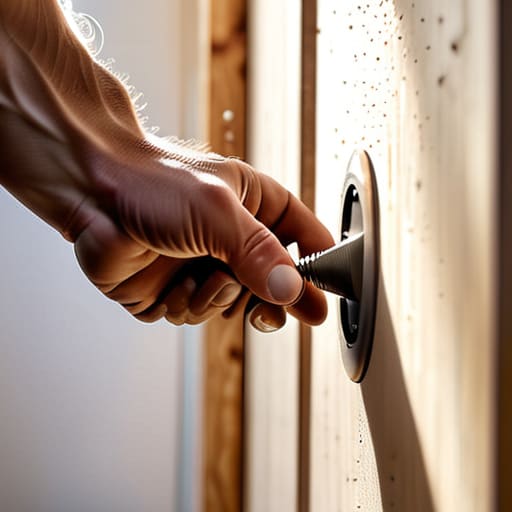
First off, stop assuming that every bit of wall is created equal. I’ve seen plenty of people try to mount a heavy shelving unit or a large mirror only to watch the whole thing peel a chunk of the wall right off with it. You really need to get a handle on the load bearing capacity of plasterboard before you even pick up a drill. It’s not just about the weight of the object itself; you’ve got to factor in the weight of whatever else is going on that shelf. If you’re pushing the limits, don’t be stingy with the hardware.
If you can’t find a stud, don’t just settle for those cheap plastic plugs that come in the box. For anything substantial, you should be looking at toggle bolts for plasterboard. They spread the weight across a much larger area behind the surface, which is the only way to ensure you aren’t just waiting for a disaster to happen. I’ve spent too many afternoons fixing walls that people thought they could “just wing” with a standard screw. Do it right the first time so you aren’t calling me to fix the mess later.
A Few Things I’ve Learned from Years of Dragging Heavy Machines Around
- Don’t go hunting for a stud if you don’t have to, but if you can find one, use it. There’s no substitute for driving a screw into solid timber; it’s the only way to be absolutely sure that heavy shelf or appliance isn’t going to take the whole wall down with it.
- Stop using those cheap, plastic plug things that come in the little bags of screws. They’re rubbish. If you’re hanging something that actually has some weight to it, get yourself some proper metal toggle bolts. They grip the back of the plasterboard and won’t budge.
- Check the wall for more than just strength. I’ve seen plenty of people hang a heavy cupboard only to find they’ve drilled straight through a water pipe or an electrical cable. Give the wall a good tap and a look around before you start making holes.
- Weight isn’t just about what the object weighs; it’s about how it’s being pulled. A shelf pulling down is one thing, but a bracket pulling out from the wall is a whole different headache. Make sure your fixings are designed for the kind of leverage you’re dealing with.
- If the plasterboard feels crumbly or soft, just stop. I’ve seen walls that were so degraded they’d practically turn to dust under a drill bit. If the wall is dodgy, no amount of fancy anchors is going to save you; you’ll need to reinforce it from the other side.
The Bottom Line
If you’re hanging something that’s going to vibrate or pull—like a heavy shelf or a piece of kit—don’t just rely on the plasterboard; hunt for a stud or use the proper heavy-duty anchors, otherwise you’ll be cleaning up debris from a hole in your wall within a week.
Stop being stingy with the hardware. A five-pound difference in the quality of an anchor is a lot cheaper than replacing a smashed floor or a ruined wall when the whole thing comes crashing down.
Always double-check your math and your placement before you drive that first screw. Once you’ve punched a hole in the plaster, you can’t un-punch it, and a misplaced heavy load is a much bigger headache than a bit of extra measuring.
Don't Just Hope It Sticks
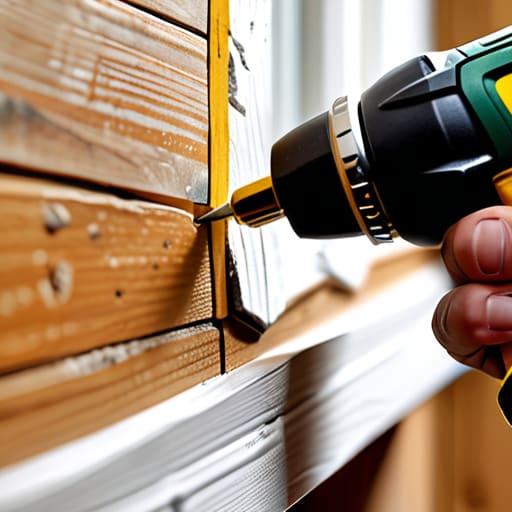
At the end of the day, hanging something heavy on plasterboard isn’t about luck; it’s about knowing exactly what you’re working with. You’ve got to check for those studs first, pick the right heavy-duty anchor for the job, and make sure you aren’t trying to force a massive weight onto a surface that simply wasn’t built for it. I’ve seen far too many people try to save five minutes by skipping the prep work, only to end up with a pile of smashed plaster and a broken appliance on the floor. If you take the time to measure twice and drill once, you’ll save yourself a lot of heartache and a much larger repair bill later on.
I know it can feel a bit daunting when you’re staring at a blank wall and a heavy shelf, but don’t let it intimidate you. Most of the “disasters” I see in my line of work could have been avoided with a bit of common sense and the right bit of kit. Once you get the hang of how these materials behave, you’ll realize that nothing is truly unfixable if you approach it with a bit of patience. So, grab your level, find your anchors, and get on with it. You’ve got this, and your walls will thank you for it.
Frequently Asked Questions
What happens if I've already drilled a hole in the wrong spot and now the plasterboard is crumbling?
Don’t panic; it happens to the best of us. If the plasterboard is turning to dust, you’ve likely stripped the core or hit a soft patch. You can’t just shove another plug in there. Your best bet is to move your mounting point at least a few inches away. If you absolutely must use that spot, you’ll need to patch it with some filler or a bit of mesh first to give the wall some backbone again.
Can I actually trust these plastic plugs if I'm hanging something that vibrates, like a small heater or a fan?
Look, if it vibrates, those flimsy plastic plugs are going to wiggle loose eventually. It’s not a matter of if, it’s when. All that constant micro-movement acts like a slow drill, widening the hole in your plasterboard until the whole thing just gives up and drops. If you’re mounting a fan or a heater, skip the cheap bits. Get some proper metal toggle bolts or heavy-duty spring anchors. You want something that grips the back of the wall, not just the surface.
Is there any way to tell if there's a wooden stud behind the wall without just smashing holes into it?
You don’t need to go around playing demolition derby with your walls. If you’ve got a decent magnet, grab it; it’ll snap right to the screws holding the plasterboard to the timber. If you don’t have one, just give the wall a firm knock with your knuckles. A hollow sound means you’re in no-man’s land, but a solid, dull thud tells you you’ve found something substantial. It’s not high-tech, but it works.
