








Most people think that if they want to tackle cleaning a mattress, they need to go out and buy one of those expensive, high-tech steam cleaners that costs more than a decent washing machine. Honestly, it’s a load of rubbish. In my eighteen years fixing appliances, I’ve learned that most “failures” aren’t because the machine is broken, but because people don’t understand the mechanics of maintenance. You don’t need a fancy gadget to deal with dust mites or spills; you just need to stop treating your bed like a static piece of furniture and start treating it like a piece of equipment that requires a bit of regular upkeep.
I’m not going to give you any of that polished, lifestyle-magazine nonsense. Instead, I’m going to show you how to strip back the layers and get the job done using practical, no-nonsense methods that actually work. We’ll go over how to spot the real buildup, how to tackle stubborn stains without ruining the fabric, and how to keep things fresh without spending a fortune. If you follow my lead, you’ll have a bed that’s actually clean, rather than just looking the part.
Guide Overview
Tools & Supplies
- Vacuum cleaner with upholstery attachment for dust removal
- Soft-bristled brush for scrubbing stains
- Baking soda (approx. 2 cups) for deodorizing
- Dish soap (small amount) for spot cleaning
- Water (small amount) for mixing solution
Step-by-Step Instructions
- 1. First thing you need to do is strip the bed bare. Don’t just pull the sheets off; get the protectors and everything else away from the surface so you can actually see what you’re working with. I’ve seen enough dust bunnies under beds to know that once you clear the area, you’ll likely find a small ecosystem living in the corners.
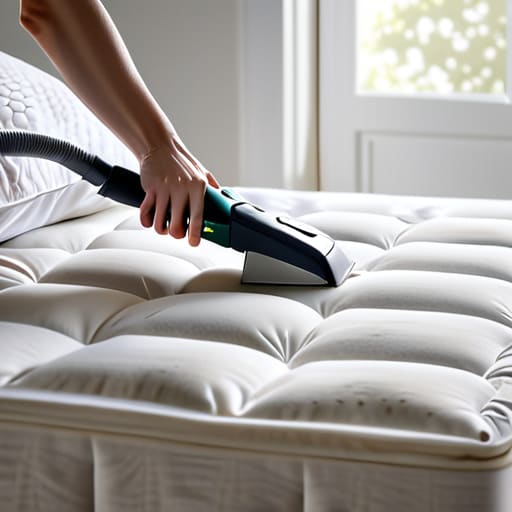
- 2. Grab your vacuum, and I don’t mean that little handheld thing you use for crumbs on the sofa. You need something with proper suction. Go over the entire surface of the mattress, moving slowly. Pay extra attention to the seams and the piping around the edges—that’s where the skin cells and dust tend to settle and hide.
- 3. Now, if you’ve got any actual stains—sweat marks or the occasional spill—don’t go dousing the thing in water. That’s how you end up with mold, and once moisture gets deep into the foam, you’re looking at a write-off. Instead, make a bit of a paste using baking soda and a tiny amount of water, or use a dedicated enzyme cleaner. Dab it on; don’t scrub it like you’re trying to polish a floor.
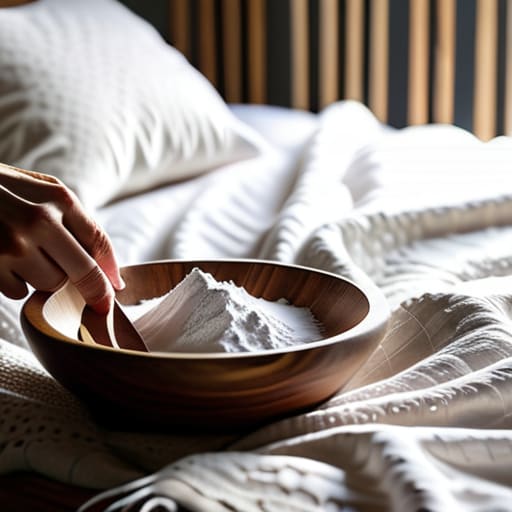
- 4. Once you’ve dealt with the spots, it’s time for the heavy lifting: the baking soda soak. Sprinkle a generous, even layer of dry baking soda over the whole mattress. It’s a bit of a mess, I know, but it’s the best way to neutralize odors and pull out any remaining moisture or oils from the surface.
- 5. Leave that powder to sit. You can go about your business, have a cup of tea, or tinker with something in the shed, but give it at least an hour. If the mattress is particularly stubborn, leave it for two or three. You want that soda to do the dirty work for you.
- 6. Vacuum the baking soda up thoroughly. Be patient here; if you rush it, you’ll leave a gritty residue behind that’ll feel like sand under your sheets. I always tell people to check the vacuum filter afterward—if you’ve done a good job, that filter is going to be absolutely filthy.
- 7. Finally, let the mattress air out completely before you put the linens back on. If you trap any residual dampness under a fresh sheet, you’re just inviting trouble. If you can, open a window to get some airflow moving through the room. It’s simple, it’s not fancy, but it’s the only way to do it right.
Understanding Cleaning a Mattress
Look, I spend my days elbow-deep in lint traps and clogged drainage pipes, so I tend to view a mattress a bit differently than most. Most people treat it like a static piece of furniture, but it’s really just a massive, porous filter that’s constantly collecting biological debris. If you aren’t proactive, you’re basically letting a collection of skin cells and moisture build up in the fibers. When I’m looking at a machine that smells, I look for the blockage; when it comes to your bed, you’re looking for eliminating mattress odors at the source before they become permanent.
You don’t always need a chemistry set to get the job done, either. In my experience, the most effective approach often involves natural mattress cleaning solutions like a simple baking soda soak. It’s not flashy, but it works by drawing out moisture and neutralizing smells without leaving behind the chemical residue that a cheap spray might. Whether you’re focused on removing sweat stains from mattress surfaces or just trying to keep the dust down, remember that consistency beats intensity every single time. Don’t wait for a disaster to act.
Key Things to Know
One thing I’ve learned from years of pulling apart motors and vacuum systems is that people tend to ignore the buildup until it’s a genuine problem. A mattress isn’t much different from a washing machine filter; it collects debris, skin cells, and moisture that you just can’t see. If you’re looking for the best way to sanitize bed surfaces, don’t go reaching for harsh, scented chemicals that’ll just leave a sticky residue. I always suggest sticking to natural mattress cleaning solutions—think baking soda and a bit of vinegar—because you don’t want to be breathing in synthetic perfumes while you sleep.
You also need to be mindful of the environment. If you’ve got dampness trapped in the foam, you’re basically inviting trouble. I’ve seen enough mold in neglected appliances to know that ventilation is your best friend. When it comes to eliminating mattress odors, the trick isn’t just masking the smell; it’s about pulling the moisture and particulates out of the fabric. Treat it like any other piece of household kit: if you stay on top of the maintenance, it’ll last you a decade longer than it should.
Five things I’ve learned from years of looking at what gets left behind
- Don’t go overboard with the liquids. I’ve seen people try to “wash” a mattress like it’s a tea towel, and all they end up doing is soaking the internal foam. Once that core gets damp, you’re looking at mould, and that’s a job no amount of scrubbing will fix.
- Get a decent vacuum with a HEPA filter. If you’re just using a cheap little handheld thing, you’re just moving the dust around. You want something that actually pulls the grit and skin cells out of the fabric weave rather than just swirling them into the air.
- Baking soda isn’t just a kitchen trick; it’s a tool. Sprinkle it on, let it sit for a good hour to pull out the moisture and the smells, and then vacuum it up. It’s the simplest way to deal with the stuff you can’t see.
- Treat your mattress protector like a piece of essential kit. I’ve repaired enough things to know that prevention is always cheaper than a repair. A proper, waterproof protector is the only thing standing between your mattress and a permanent stain.
- Air it out properly. If you can, crack a window or move the bed away from the wall for a bit. Machines need airflow to stay dry, and your mattress is no different; it needs to breathe to stop the damp from settling in.
The Bottom Line
Don’t wait for a smell or a stain to tell you there’s a problem; treat your mattress like any other piece of kit that needs a bit of regular maintenance to keep it from failing.
Most of the “damage” people think is permanent is usually just a buildup of dust and skin cells that a decent vacuum and some patience can sort out.
You don’t need fancy, expensive chemicals to get the job done—just the right approach and a bit of respect for the materials you’re working with.
Don't Just Toss It
At the end of the day, cleaning a mattress isn’t some high-tech science; it’s just basic maintenance, much like clearing a lint trap or descaling a kettle. You’ve gone through the vacuuming, the spot-treating, and the airing out, and that’s more than most people bother to do. If you’ve followed the steps, you’ve addressed the dust mites, the sweat, and the inevitable spills that build up over the years. It’s about preventative upkeep rather than waiting for the thing to become a health hazard. Remember, the goal isn’t to make it look brand new out of a showroom, but to ensure it’s actually clean enough to sleep on without worrying about what’s lurking in the fibers.
I’ve spent eighteen years pulling apart machines that people thought were dead, only to find they just needed a bit of attention and a bit of elbow grease. Your mattress is no different. It’s a piece of equipment that supports your body every single night, so treat it with a bit of respect. Don’t let the idea of a “deep clean” intimidate you into thinking you need to buy a new one. Most of the time, a little bit of diligent routine is all it takes to extend the life of your gear. Stop looking for the exit sign and just get stuck in; your back, and your lungs, will thank you for it.
Frequently Asked Questions
Is it actually worth buying one of those expensive steam cleaners, or can I just get by with a decent vacuum and some bicarbonate of soda?
Look, I’ve spent eighteen years pulling grit out of machine filters, so I’ll give it to you straight: you don’t need a fancy steam cleaner. If you’ve got a decent vacuum and a box of bicarbonate of soda, you’re halfway there. The soda pulls the moisture and smells out, and the vacuum does the heavy lifting. Save your money for a good quality mattress protector instead—that’s what actually stops the damage in the first place.
If I’ve gone and spilled something particularly nasty on the mattress, am I going to ruin the internal springs by trying to scrub it out?
Look, if you go at it like you’re scrubbing a kitchen floor, you’ll cause trouble. The danger isn’t the spill itself; it’s the soak. If you drench the core, that moisture gets trapped around the springs, leading to rust or mould that no amount of surface cleaning will fix. Blot the mess first. Use minimal liquid, work from the outside in, and get a fan on it immediately. Keep it damp, not soaked.
How long do I really need to leave the mattress to dry before I can actually sleep on it without waking up in a damp mess?
Look, I’ve seen enough damp-induced mold to last a lifetime, so don’t rush this. If you’ve just deep-cleaned it, you’re looking at anywhere from six to twelve hours, minimum. If you’ve got a fan running or a window cracked, you might get lucky in four. But if it feels even slightly cool or heavy to the touch, leave it. Sleeping on a damp mattress is just asking for a science experiment in your bed.
