







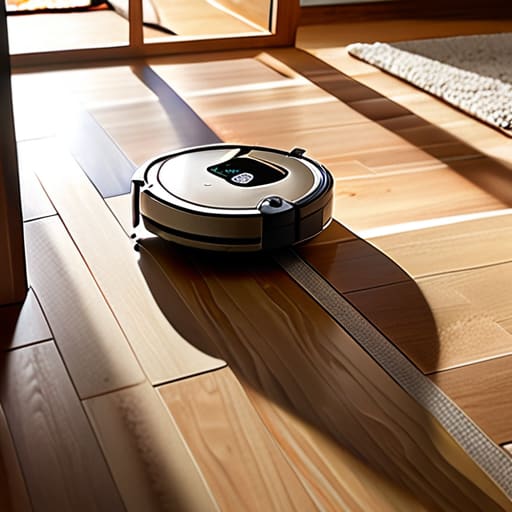

I’ve spent eighteen years pulling hair, grit, and half-eaten biscuits out of suction motors, so I’ve seen enough “smart” technology fail to last a lifetime. Most people think a robot vacuum is a luxury that saves time, but they end up spending more time troubleshooting a sensor than they would have spent just using a broom. When you’re looking at those shiny brochures, you aren’t actually assessing a robot vacuum fairly if you’re only looking at the app features or the suction wattage. Those numbers look great on a box, but they don’t tell you if the brushes are going to seize up the moment they hit a stray thread or if the battery will give up the ghost after six months of heavy use.
I’m not here to sell you on the latest gadget or tell you that every plastic puck is a miracle worker. Instead, I’m going to show you how to look under the hood—metaphorically speaking—to see what actually matters for longevity. I’ll teach you how to spot the difference between a well-built machine and a disposable piece of junk before you part with your hard-earned cash.
Beyond the Box Assessing a Robot Vacuum Fairly
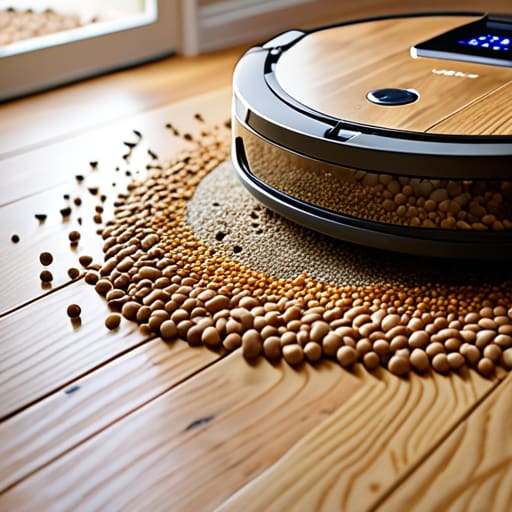
When you get a new machine home, don’t just let it run on its own for a week and call it a day. If you want the truth, you have to look at how it handles the actual grit of your life. I always tell people to do a bit of robotic vacuum suction power testing by dropping a handful of dried lentils or fine sand on a hard floor. A fancy brochure might claim it cleans everything, but you’ll see the real performance when you empty the bin and see if it actually pulled the heavy stuff out of the cracks or just pushed it into the corners.
You also need to watch how it navigates your furniture. I’ve seen too many expensive units get stuck under a sideboard because their sensor-based obstacle avoidance was more marketing than reality. A good vacuum shouldn’t just bump into things until it finds its way; it should know where it’s going. If it spends twenty minutes spinning in circles in the middle of the rug, you aren’t looking at a high-tech tool—you’re looking at a glorified, expensive toy that’s going to end up in my scrap pile.
The True Measure of Robotic Vacuum Suction Power Testing
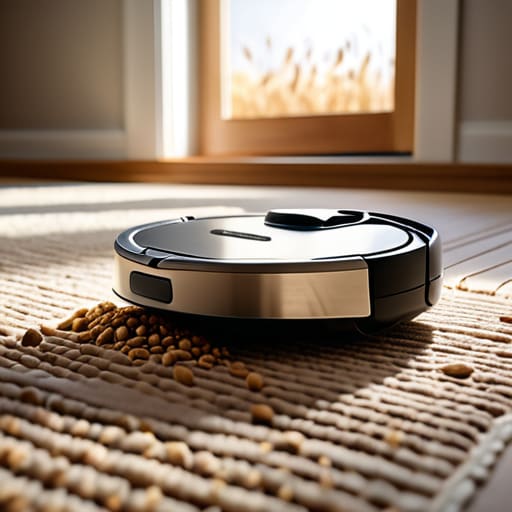
Don’t let the glossy marketing brochures fool you; a high Pa rating on a box means absolutely nothing if the airflow is choked by poor design. When I’m doing my own robotic vacuum suction power testing, I don’t care about the theoretical numbers the manufacturer spits out. I want to see how it handles a real-world mess, like a handful of dried oats or fine silt on a rug. A machine might boast massive suction, but if the internal airway is too narrow or the brush roll doesn’t agitate the fibers properly, it’s just moving dust from one corner to another.
I’ve seen too many people bin a perfectly good unit because they thought the motor had died, when really, it was just a clogged internal pathway that a bit of maintenance could have fixed. To see if a vacuum actually works, watch how it handles the transition from hard floor to carpet. If it struggles to ramp up its power or leaves a visible trail of debris behind, the suction isn’t actually doing its job. It’s about automated cleaning efficiency, not just how loud the motor sounds while it’s spinning.
Mapping Accuracy Comparison Does It Actually Know Its Home
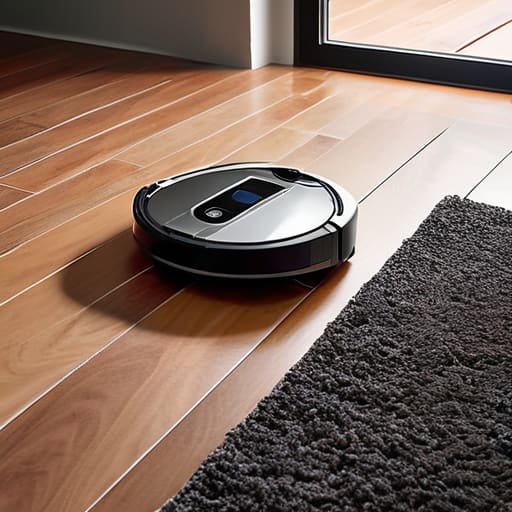
Now, don’t let the fancy marketing speak fool you; a robot that gets lost in your hallway is about as useful as a sieve. When I’m looking at a mapping accuracy comparison, I’m not interested in how pretty the little digital floor plan looks on your phone. I want to know if it can actually distinguish a rug from a dark shadow or a stray sock. I’ve seen too many machines get stuck in a loop because their sensor-based obstacle avoidance is more guesswork than science. If it can’t navigate a simple doorway without bumping into the frame like a blindfolded toddler, it’s going to waste half its charge just trying to find its way back to the dock.
A truly smart machine should build a reliable map on the first pass. If you find yourself having to “re-map” the living room every Tuesday, you haven’t bought a helper; you’ve bought a chore. I look for consistent lines and clear boundaries. If the digital map shows a wall where your sofa actually sits, the automated cleaning efficiency is going to plummet because the thing will be spinning in circles in the wrong corner.
Sensor Based Obstacle Avoidance and Automated Cleaning Efficiency
Now, don’t get distracted by the shiny plastic or the fancy lights on the casing. When I’m looking at how a machine actually handles a room, I’m looking at its eyes. Sensor-based obstacle avoidance isn’t just about the vacuum not hitting the skirting boards; it’s about whether it can tell the difference between a solid chair leg and a stray charging cable. I’ve seen too many people call me out because their expensive little bot decided to “eat” a shoelace or, worse, spend twenty minutes trying to fight a heavy rug. A good machine should navigate a mess, not become part of it.
Real automated cleaning efficiency is measured by how much of the floor is actually covered without the thing getting stuck in a corner for an hour. If the sensors are rubbish, the robot ends up circling the same patch of carpet while leaving the dust bunnies under the sideboard completely untouched. It doesn’t matter how much suction it has if it can’t actually reach the dirt. I want to see a machine that moves with purpose, not one that spends its entire battery life bumping into the same radiator.
The Final Verdict Battery Life Performance Metrics and App Integration
Now, let’s talk about the stuff that actually keeps the machine running long-term: the battery and the software. When I’m looking at battery life performance metrics, I’m not interested in the manufacturer’s “up to 120 minutes” claim. That’s usually measured on a hard floor with no suction set to low. I want to know how much juice is left after it’s actually done the hard graft on a thick rug. A battery that dies halfway through a room isn’t just an inconvenience; it’s a sign of a cell that’s going to degrade long before you’ve had your money’s worth.
Then there’s the app integration and smart features. I’ve seen enough “smart” gadgets turn into expensive paperweights because the software is rubbish. If the app is clunky or constantly loses connection, you won’t bother using the features you paid for. A good app should let you see exactly where the machine is and let you set boundaries without needing a degree in computer science. If the interface is a nightmare, the most advanced sensors in the world won’t save it from being shoved into the back of a cupboard.
Five Things I Look For Before I Call a Machine "Good"
- Don’t trust the marketing suction numbers; check the brush roll design. A high-wattage motor is useless if the bristles are so stiff they can’t actually agitate the grit out of a carpet.
- Look for easy access to the bin and the filters. If you need a screwdriver and a degree in engineering just to empty the dust, you’ll stop cleaning, and that’s when the motor starts to struggle.
- Check the underside for “trapped” debris. A fair vacuum is one that doesn’t swallow a stray sock or a loose coin only to jam itself into a permanent standstill five minutes later.
- Test the sensor cleaning. A robot is only as smart as its eyes; if the sensors are tucked away in awkward, dusty crevices that you can’t wipe with a cloth, the machine is going to start bumping into your skirting boards like a blindfolded toddler.
- Inspect the wheel assembly. I’ve seen too many expensive units end up in my scrap pile because a single hair got wrapped around an axle and burnt out the drive motor. If the wheels look flimsy, the machine won’t last a year.
The Bottom Line
Don’t get dazzled by the fancy app or the sleek design; if the suction is weak and the sensors can’t tell a rug from a cliff, it’s just an expensive paperweight.
A robot is only as good as its maintenance; if you can’t easily get to the brushes or the filter to clear out the hair and grit, you’ll be throwing the whole thing in the bin within a year.
Real value isn’t found in the marketing brochure, it’s found in how well the machine actually navigates your specific floor plan without needing you to babysit it every ten minutes.
The Bottom Line
At the end of the day, a robot vacuum isn’t just about the flashy specs on the box or how many megabytes of data its app uses. It’s about whether that machine can actually navigate your skirting boards without getting stuck on a loose rug or dying halfway through the lounge. We’ve looked at suction, mapping, and how it handles the odd obstacle, but none of that matters if the internal build quality is rubbish. If you can’t get to the brushes to clear out the hair, or if the sensors are buried behind plastic that’s impossible to clean, you aren’t buying a helper; you’re buying a future headache. Look for the machine that balances practical performance with a design that actually makes sense for a real, messy home.
I’ve spent nearly two decades pulling motors out of machines that were tossed away for no good reason, and I hate seeing good tech go to waste. Don’t just chase the newest gadget; find the one that is built to be maintained. A vacuum that is easy to clean and easy to fix is a vacuum that will actually serve you for years rather than ending up in a landfill by next Christmas. Buy something sensible, keep the filters clear, and treat your tools with a bit of respect, and they’ll take care of the rest.
Frequently Asked Questions
If I find a model that looks great on paper, how can I tell if the internal components are actually built to last or if it's just a load of cheap plastic?
If you can get a look at the internals—or even just a clear photo from a review—look for the weight of the motor and the thickness of the gears. If it’s all flimsy, thin-walled plastic, it’ll snap the first time it hits a door frame. I look for reinforced mounting points and metal fasteners rather than just plastic tabs. If it feels like a toy inside, it’s going to end up in my scrap pile.
Is it worth paying a premium for a fancy app if the actual cleaning mechanics are just the same basic kit?
Look, I’ve spent eighteen years pulling hair and grit out of motors, and let me tell you: a fancy app won’t suck the dust out of your carpet. If the brushes are flimsy and the suction motor is cheap, all that software is just window dressing. Don’t pay a premium for a shiny interface if the actual mechanical kit is rubbish. Buy for the build quality and the motor, not the pretty icons on your phone.
When I'm looking at these specs, how do I know if the suction power is real or just a number they've cooked up for the marketing team?
Look, marketing teams love a big number on a box, but “Pa” (pascals) doesn’t tell the whole story. A high number means nothing if the airflow is choked by a tiny, poorly designed filter. I’ve seen plenty of machines with massive suction that couldn’t lift a single Cheerio because the internal housing is rubbish. Don’t just hunt for the highest number; look for reviews that mention actual debris pickup on carpet. Numbers lie; dust doesn’t.
