








I’ve spent eighteen years hunched over vibrating washing machines and rattling vacuum motors, so I’ve developed a bit of a knack for hearing exactly where a sound is coming from. People often come to me complaining about the constant noise between flats, convinced they need to tear down a wall or spend a fortune on specialized acoustic foam that’s mostly just marketing fluff. They think the building is falling apart, but more often than not, it’s just a poorly placed appliance or a loose vibration traveling through a shared pipe. It’s rarely a structural catastrophe; it’s usually just a mechanical nuisance that’s been left to run wild.
I’m not here to sell you on expensive renovations or complicated architectural theories. My approach is much more practical: we’re going to look at the actual sources of the rattle and the hum. I’ll show you how to diagnose whether that thumping is coming from a neighbor’s spin cycle or a faulty floorboard, and I’ll give you the straightforward fixes that actually work. I’ve opened up enough machines to know that most problems can be solved with a bit of steady hands and the right bit of padding, without breaking the bank.
The Unseen Friction Decoding the Mystery of Noise Between Flats
When I’m elbow-deep in a washing machine, I’m not just looking at the motor; I’m listening to how the chassis handles the spin cycle. It’s the same with living in a block of flats. Most people think they’re losing their minds because they can hear a muffled conversation or a television through the plaster, but you have to understand the difference between impact noise vs airborne noise. One is a sudden thud—a dropped book or a heavy footfall—while the other is that constant, low-level hum of someone else’s life drifting through the gaps.
If you’re struggling with reducing floor vibrations, you’re likely dealing with the physical energy of a neighbor moving around. It’s rarely about the thickness of the wall itself and more about how the building’s structure carries that energy from one unit to the next. I’ve spent eighteen years diagnosing why a machine rattles the whole kitchen; buildings act much the same way. Once you identify whether the sound is traveling through the air or vibrating through the joists, you can actually start looking at practical ways to dampen it.
Distinguishing the Ghostly Echo Impact Noise vs Airborne Noise

When I’m under a kitchen sink or elbow-deep in a washing machine drum, I’ve learned that not all sounds travel the same way. To fix a problem, you first have to know what kind of ghost you’re chasing. Most people just complain that it’s “loud,” but there is a massive difference between impact noise vs airborne noise. Impact noise is that sharp, sudden thud—the kind you feel in your teeth when a neighbour drops a heavy pot or walks heavily in heels. It’s physical; the vibration travels through the very bones of the building, much like how a faulty motor sends a shudder straight through a floorboard.
Airborne noise is a different beast entirely. That’s the muffled drone of a television or the steady hum of a conversation drifting through the ceiling. It doesn’t shake the structure, but it hangs in the air like steam. If you are dealing with noisy neighbours who are constantly shouting, you aren’t fighting a vibration; you’re fighting a leak in the air. Understanding this distinction is the only way to stop wasting money on the wrong fixes.
Calming the Tremors Proven Methods for Reducing Floor Vibrations
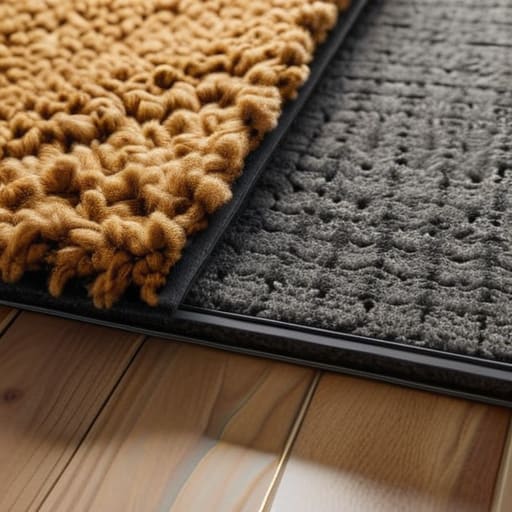
When I’m working on a washing machine that’s dancing across the kitchen floor, the fix is usually simple: get it off the hard surface and onto something that absorbs the energy. Dealing with noisy neighbours is a bit more complicated because you can’t exactly reach into their flat and tighten their bolts, but the principle of reducing floor vibrations remains the same. If you’re living in a place where you can feel every footstep from above, you need to break that direct line of contact. Thick, heavy rugs are a start, but if you want to actually do something about it, look into high-density underlay. It’s the difference between a thin sheet and a proper buffer; you need mass to soak up that kinetic energy before it turns into a thud in your ceiling.
If you’re renting, you’re limited in what you can do to the structure, so you have to focus on your own space. Think of it like adding a dampening mat under a heavy compressor. Using heavy furniture to break up the floor space or even installing thick, heavy-duty curtains can help, though they won’t stop a heavy heel hitting the floorboards. For those with more control, decoupling is the real secret—creating a gap or using specialized materials so the vibration doesn’t travel through the joists.
Fortifying Your Sanctuary With Sound Insulation for Apartment Walls
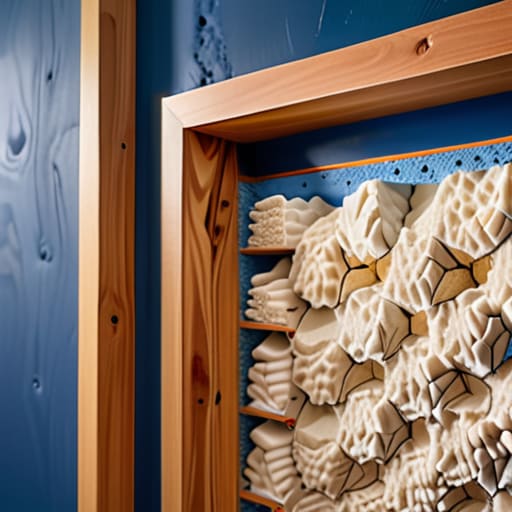
When it comes to fortifying your sanctuary, you have to look at the walls like I look at a washing machine casing—it’s all about the density and the seals. If you’re dealing with noisy neighbours through a shared partition, you can’t just slap some wallpaper on it and hope for the best. You need mass. Adding a layer of acoustic plasterboard or even a bit of heavy-duty insulation between the studs can make a world of difference. It’s much like how I’d add a thick rubber gasket to a vibrating pump; you’re essentially creating a barrier that the energy can’t easily punch through.
Don’t forget the gaps, either. I’ve seen plenty of “broken” machines that were really just air leaking through a perished seal. The same applies to your home. If air can get through, sound will too. Using acoustic sealant around electrical sockets and door frames is one of those small, fussy jobs that actually yields results. It might not feel as dramatic as replacing a whole motor, but effective sound insulation for apartment walls relies heavily on these tiny, airtight details to keep the peace.
Mastering the Silence Effective Apartment Soundproofing Solutions
When it comes to actually fixing the problem, you have to stop thinking about just “blocking” sound and start thinking about how energy moves. If you’re dealing with the heavy thud of footsteps, you aren’t just fighting noise; you’re fighting kinetic energy. One of the most effective apartment soundproofing solutions I’ve seen isn’t some fancy high-tech gadget, but rather the simple application of mass and decoupling. If you can’t tear down the walls, you need to add layers that absorb the energy before it reaches your ears.
For those of you wondering how to block sound from upstairs, the answer usually lies in the ceiling and the floor. If the vibration is coming through the floorboards, thick, high-density rugs can help, but they won’t do much for the low-frequency hum of a washing machine in the next unit. To truly tackle impact noise vs airborne noise, you might need to look into acoustic panels or even heavy, floor-to-ceiling curtains. It’s a bit like fixing a faulty motor; you can’t just patch the leak, you have to address the source of the friction.
A Few Practical Fixes Before You Call the Landlord
- Check your own kit first. I’ve seen more “neighbor noise” complaints turn out to be a washing machine with a worn-out shock absorber or a spin cycle that’s gone rogue because the feet aren’t level on the floor.
- Get some heavy-duty rubber anti-vibration mats under your appliances. It’s a cheap bit of kit, but it stops the hum of a dishwasher from turning your floor into a sounding board for the flat below.
- Look at your pipes. If you hear a thud every time someone flushes a toilet, you’re likely dealing with water hammer, which is just a loose pipe banging against a stud in the wall. A bit of foam insulation around the plumbing can do wonders.
- Don’t forget the furniture. If your bookshelf is vibrating against a shared wall every time a neighbor closes a door, just pop a bit of felt or even a scrap of old carpet between the wood and the plaster.
- Soften the surfaces. Hard floors and bare walls are just highways for sound; adding a thick rug or even some heavy curtains won’t stop a jackhammer, but it’ll take the edge off the general chatter coming through the ceiling.
The Quick Fixes: What to Remember
Figure out if you’re dealing with a thud or a hum; impact noise usually means something is physically vibrating against the structure, while airborne noise is just sound travelling through the air.
Don’t overlook the easy stuff like rubber mats or heavy rugs; sometimes the best way to stop a vibration is just to put a bit of decent padding between the source and the floor.
Treat your walls like a machine’s casing—if there’s a gap or a thin spot, that’s where the energy is leaking through, so focus your efforts on sealing those specific paths.
Putting the Pieces Back Together
At the end of the day, dealing with noise between flats is a lot like troubleshooting a faulty washing machine. You can’t just throw a new drum in and hope for the best; you have to identify whether you’re fighting airborne sounds drifting through the gaps or the heavy, physical thuds of impact noise traveling through the structure. Whether you’re looking at adding mass to your walls, decoupling your floor, or simply sealing up those tiny, overlooked air gaps, the goal is the same: breaking the path of the vibration. It’s about finding the source of the friction and addressing it with a bit of practical, methodical patience rather than just hoping it goes away on its own.
I’ve spent eighteen years pulling apart machines that people thought were dead, only to find they just needed a bit of cleaning and a single, well-placed part. Your home is no different. It might feel like the walls are closing in when you can hear every footstep from the flat above, but most of these issues aren’t permanent. If you take the time to diagnose the problem properly, you can reclaim your peace. Don’t let a bit of structural noise make you feel like your sanctuary is broken; sometimes all it takes is a little adjustment to get things running smoothly again.
Frequently Asked Questions
If I've already put down thick rugs and heavy furniture, why can I still hear every single footstep from the flat above?
It’s frustrating, isn’t it? You’ve done the heavy lifting with rugs and wardrobes, yet you’re still hearing every heel-strike from upstairs. Here’s the thing: rugs handle the “airborne” noise, but they don’t touch the structural impact. That footstep isn’t just a sound; it’s a physical vibration traveling straight down the building’s skeleton. Until you address the actual decoupling of the floor or the ceiling, you’re just decorating around a mechanical problem.
Is there a way to dampen the vibration from my own washing machine so I'm not the one causing the racket for my neighbors?
Look, I’ve spent eighteen years pulling machines apart, and half the time the “broken” washer is just dancing across the floor. If your machine is making the neighbors howl, check the feet first. They need to be level and firm. Get yourself some anti-vibration rubber mats—they’re cheap and do wonders for absorbing that kinetic energy before it hits the floorboards. Also, for heaven’s sake, make sure you aren’t overloading it. Balance is everything.
When does a bit of structural creaking stop being a normal building settling and start being a sign of a real soundproofing flaw?
Look, I’ve spent eighteen years listening to the hum and rattle of heavy machinery, so I know the difference between a machine finding its rhythm and one that’s actually failing. A building settling is just the bones finding their place—a little groan here or there is nothing to lose sleep over. But if that creak turns into a rhythmic shudder or follows a specific vibration, like a neighbor’s washing machine, you’ve got a structural gap or a loose connection.
