







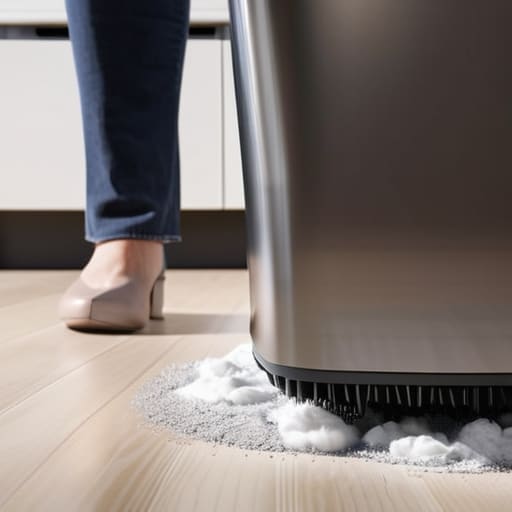

I’ve spent eighteen years elbow-deep in dust and hair, and if there’s one thing that makes me roll my eyes, it’s the way manufacturers try to sell you on “revolutionary airflow technology” when the real problem is a poorly designed bucket. People spend a fortune on these fancy cordless sticks, only to find themselves fighting with a plastic container that’s a nightmare to empty. When you’re trying to figure out how to judge a cordless vacuum bin, don’t listen to the glossy brochures or the influencers; look at the actual mechanics of how that debris is handled. If the bin is a labyrinth of tiny crevices, you aren’t buying a cleaning tool, you’re buying a future headache.
I’m not here to give you a sales pitch or a list of technical jargon that doesn’t mean a thing once the suction drops. I’ve pulled apart enough of these machines to know exactly where they fail, and I’m going to tell you what to look for so you don’t end up with a paperweight. I’ll show you how to spot a bin that’s actually built to last and easy to maintain, rather than one designed to be thrown in a landfill the moment a bit of grit gets stuck in the seal.
The Secret Life of Dust How to Judge a Cordless Vacuum Bin
When I’ve got a machine spread out on my workbench, I’m not looking at the shiny plastic or the brand name. I’m looking at how the dirt actually moves. Most people think a bigger bin means more cleaning, but that’s a bit of a trap. It’s really about the cyclonic separation efficiency inside that little canister. If the air can’t swirl properly to throw the grit against the walls, the dust just stays suspended, chokes the motor, and you’ll be back to me calling you to fix a burnt-out unit in six months.
I also keep a sharp eye on the debris clearance and maintenance setup. I’ve seen too many “clever” designs where you have to unscrew three tiny tabs just to get a clump of hair out. If it doesn’t have a decent easy-empty mechanism design, you’ll end up just shaking it over the bin, which sends a cloud of fine dust right back into your face. A good bin should be a simple, honest bit of kit that doesn’t fight you every time it gets full.
Dont Mistake Volume for Power Dust Bin Capacity vs Suction Power
I’ve seen it a hundred times: someone buys a massive, chunky cordless vacuum thinking they’ve found a bargain because the bin looks huge. But here’s the truth from someone who’s spent years elbow-deep in motor housings—a big bin doesn’t mean a better clean. In fact, if the manufacturer hasn’t mastered the cyclonic separation efficiency, that extra space is just a graveyard for dust. If the air can’t flow freely because the debris is just swirling around in a cavernous plastic tub, your suction is going to drop off a cliff the moment you pick up a handful of gravel.
It’s a common trap to confuse dust bin capacity vs suction power. I’ve opened up plenty of these “high capacity” models only to find the airflow is choked by the sheer volume of unseparated grit. You don’t need a bin the size of a bucket; you need a machine that can actually move the air. A smaller, well-engineered canister that maintains a tight seal is worth ten times more than a massive one that loses its pull halfway through the rug.
What I See Inside the Truth About Cyclonic Separation Efficiency

When I get a machine on my workbench, I’m not looking at the shiny plastic shell; I’m looking at how the air moves. Most people think the bin is just a bucket for dirt, but it’s actually a high-speed wind tunnel. The real test is the cyclonic separation efficiency. If the design is rubbish, the fine dust doesn’t actually stay in the bin; it gets whipped right back into the motor or, worse, straight out the exhaust. I’ve seen plenty of expensive models that lose half their suction because the cyclone isn’t actually separating the heavy grit from the fine particles.
You can tell a lot about a manufacturer’s intentions by looking at the seals. If there’s even a tiny gap where the bin meets the main body, you’re going to have a nightmare with HEPA filtration and bin sealing. A poorly sealed bin means the vacuum is basically just a very loud, very expensive dust blower. I’ve opened enough of these to know that if the air isn’t being forced through the filter by a tight, purposeful seal, the machine is fighting a losing battle from day one.
The Trap of Tiny Canisters Compactness of Cordless Vacuum Canisters
Manufacturers love to brag about how sleek and lightweight these machines are, but they often use that “compactness” as an excuse to make your life miserable. I’ve spent many an afternoon hunched over a workbench looking at canisters that are so small you can barely fit a handful of gravel in them before they’re full. When you’re dealing with the compactness of cordless vacuum canisters, there is a very thin line between “easy to carry” and “useless for anything more than a single room.”
The real headache starts when that tiny bin hits its limit. In those cramped designs, the debris clearance and maintenance become a nightmare because there’s simply no room for the dirt to move around. You end up fighting with the machine just to get the grit out of the corners. If the bin is too small, the dust gets packed so tightly against the seals that it chokes the motor. You aren’t just buying a slim vacuum; you’re often buying a constant cycle of emptying and clogging.
Beyond the Click Easy Empty Mechanism Design and Hepa Filtration
It isn’t just about how much dirt you can cram into the canister; it’s about how much of a mess you make when you try to get it out. I’ve seen too many people struggle with an easy-empty mechanism design that looks clever in a showroom but turns into a nightmare in a real kitchen. If the latch feels flimsy or the flap doesn’t open wide enough to let the heavy grit fall out, you’ll end up with a cloud of dust hitting you right in the face. A good bin should drop its contents with a single, decisive movement, not require a delicate surgical procedure just to clear the debris.
Then there’s the matter of what stays behind. You can have the best suction in the world, but if the HEPA filtration and bin sealing are rubbish, you’re just blowing fine allergens right back into your living room. I always check the seals around the bin lid; if they look thin or don’t sit flush, that machine is essentially a glorified fan for dust. A tight seal is the only thing standing between a clean floor and a house that smells like stale vacuum bag.
Five Things to Check Before You Tap Your Card
- Look for the “Finger Test” clearance. If the bin is so narrow you can’t actually get your hand in there to wipe the walls, you’ll end up with a film of fine grey sludge that eventually kills your suction.
- Check the seal, not just the latch. I’ve seen plenty of fancy-looking bins that click shut perfectly but have a tiny, cheap rubber gasket that fails after three months, letting all that dust straight back into your living room.
- Watch the emptying process in the shop. If you have to shake the bin like a maraca to get the grit out of the corners, you’re going to be fighting a losing battle with a clogged motor every single week.
- Inspect the filter access point. If you have to take the entire vacuum apart just to get to the small foam filter, you won’t do it, and that’s exactly how a perfectly good machine ends up in my scrap pile.
- Don’t be fooled by clear plastic. It looks great on the showroom floor, but if the plastic is thin and flimsy, it’ll crack the first time you accidentally knock the vacuum against a skirting board.
The Bottom Line Before You Buy
Don’t get blinded by a sleek design; if the bin looks like a tiny plastic pill, you’ll spend more time emptying it than actually cleaning your floors.
A big bin is useless if the filters are a nightmare to reach, so check that you can actually get your hands in there to clear the debris.
Look for a clear, sturdy canister and a simple release mechanism, because a bin that’s hard to empty is a bin that’s going to end up clogged and broken.
Don't Get Caught Out by the Glossy Finish
At the end of the day, judging a vacuum bin isn’t about how sleek it looks on a showroom floor or how many “suction watts” the box boasts. It’s about the practical reality of what happens when you actually start cleaning. You need to look past the marketing and ask yourself: can I actually empty this without a cloud of dust hitting me in the face? Is the cyclonic action actually separating the grit from the air, or is it just swirling it around until the motor chokes? If the bin is too small, you’ll spend more time emptying it than vacuuming, and if the filters are a nightmare to reach, you’ll eventually just stop cleaning them altogether.
I’ve spent eighteen years pulling junk out of machines that people thought were dead, and more often than not, the “broken” part was just a bin that was too poorly designed to be maintained. Don’t let a fancy brand name talk you into buying a piece of plastic engineering that’s destined for a landfill in two years. Buy something that respects your time and your lungs. If you choose a machine with a sensible, easy-to-clean bin, you aren’t just buying a vacuum; you’re buying a tool that will actually stay out of the scrap heap and keep working for years to come.
Frequently Asked Questions
If I go for a bigger bin to avoid emptying it constantly, am I going to end up with a vacuum that loses suction halfway through the job?
You’ve hit the nail on the head. It’s a classic trade-off. If you go for a massive bin, you’re usually adding more air resistance or making the motor work harder to move that extra volume. I’ve seen plenty of “big capacity” models that choke themselves out halfway through a room because the airflow can’t keep up with the bulk. Don’t just chase size; look for a bin that’s designed for flow, not just storage.
How can I tell if a bin is actually easy to clean, or if it's one of those designs where the hair and grit just get stuck in the corners forever?
Look, if the bin has sharp angles or deep, narrow crevices where the plastic meets the seal, you’re going to be fighting it every single week. I’ve seen it a thousand times: hair wraps around the internal gaskets and grit gets wedged in those tiny corners that a cloth can’t reach. You want a smooth, continuous shape. If you can’t wipe the entire interior with one quick motion, it’s a nightmare waiting to happen.
Is there a way to check if the seals in the bin are actually decent, or are they just going to leak fine dust back into my living room?
Look, don’t just trust the shiny plastic. When I’m looking at a bin, I check the seals by hand. Give the rubber gaskets a firm squeeze; they should feel resilient, not gummy or thin like a cheap snack bag. If you want a real test, take a bit of talcum powder, dust the seal area, and snap the bin shut. If that white powder puffs out into the air immediately, that machine is just a dust sprayer.
