







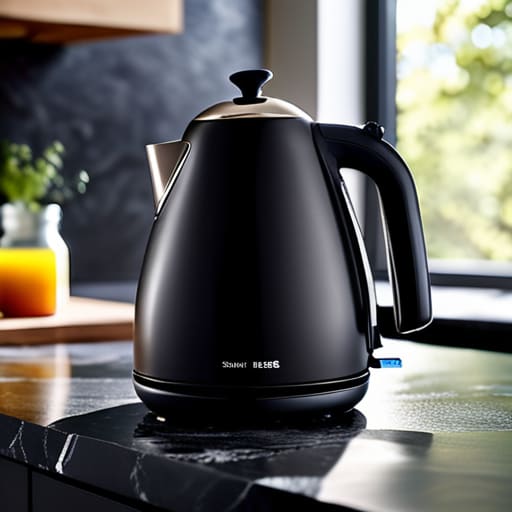

I’ve spent eighteen years pulling apart everything from industrial washers to vacuum cleaners, and if there is one thing I can’t stand, it’s seeing people get dazzled by “smart” kettles with touchscreens and Bluetooth connectivity. Honestly, if you’re looking for advice on how to review a kettle, you don’t need a tech expert; you need someone who knows why a heating element burns out after six months. Most of these fancy reviews focus on how the light looks on the base, but they completely ignore whether the lid is actually easy to open without scalding your knuckles or if the limescale is going to turn the element into a paperweight by Christmas.
I’m not here to talk about aesthetics or which color looks best on your granite countertop. My promise to you is simple: I’m going to show you how to look at the guts of the machine instead of the shiny packaging. We are going to talk about element accessibility, seal quality, and the build of the switch—the things that actually determine if a kettle lasts five years or five weeks. I’ll give you the no-nonsense truth so you can stop wasting money on appliances that are designed to fail.
Understanding How to Review a Kettle
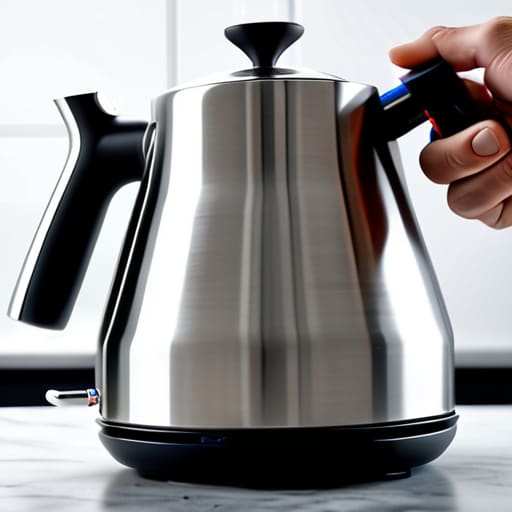
When you’re looking at a kettle, don’t just get distracted by a shiny finish or a fancy digital display. Most people buy based on how it looks on the counter, but I look at how it’s put together. To really understand the job, you have to look past the marketing fluff and focus on the electric kettle testing criteria that actually matter for longevity. I’m talking about the weight of the components, the quality of the seals, and whether the base feels like it’s going to crack after six months of heavy use.
You also need to consider how much work you’ll be doing once it’s in your kitchen. A kettle that’s a nightmare to clean is a kettle that’s going to end up in a landfill far too soon. I always check for ease of descaling and maintenance—if you can’t get your hand in there to scrub out the limescale, you’re going to struggle. It’s about finding that balance between a machine that performs its one job efficiently and one that’s actually built to survive a bit of regular, everyday wear and tear.
Key Things to Know
First things first, you have to look past the shiny finish and the fancy LED lights. When I’m looking at a new model, I’m checking the guts. I want to see if the heating element is actually built to last or if it’s just a thin piece of metal that’ll succumb to limescale in six months. You need to consider water heating efficiency—not just how fast it boils, but how much energy it’s wasting. A kettle that takes five minutes to get a cup of tea ready is just a glorified paperweight that’s costing you money on your electric bill.
Then there’s the business of how it actually feels in your hand. I’ve seen far too many people struggle with a heavy, poorly balanced pot because the manufacturer prioritized a sleek look over an ergonomic handle design. If it’s awkward to pour, you’re going to end up scalding yourself or spilling hot water all over the worktop. I also keep a sharp eye on the auto shut-off features; it’s a basic safety requirement, but in the cheaper models I’ve scrapped, that mechanism is often the first thing to go.
Practical Tips and Steps
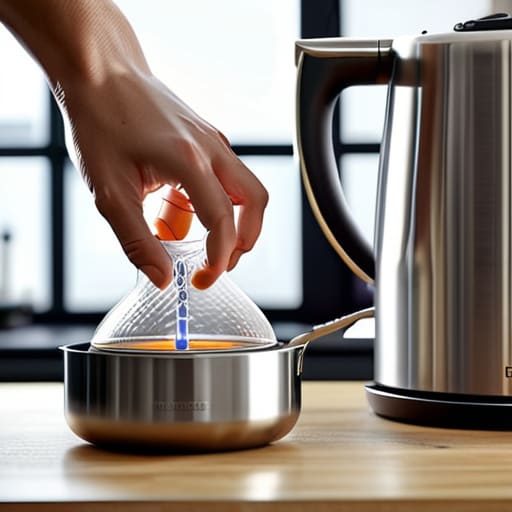
When you’re actually sitting there with a kettle in front of you, don’t just press the switch and wait. You need a bit of a system. First, I always check the weight of the lid and how it seats on the base; if it feels flimsy now, it’ll be rattling like a loose tooth in six months. I pay close attention to the ergonomic handle design to see if it actually feels balanced when the vessel is full. A kettle that feels heavy or awkward when it’s brimming with water is a kettle that’s going to end up in my scrap heap because nobody wants to risk a scald.
Next, you’ve got to look past the shiny exterior. I run a few boils to get a real sense of the water heating efficiency and how loud the element gets. It shouldn’t sound like a jet engine taking off just to get a cup of tea ready. While you’re at it, check the spout for any sign of a drip and test the auto shut-off features by lifting the kettle mid-boil. If the mechanism feels sluggish or inconsistent, it’s a safety hazard, plain and simple.
Common Mistakes to Avoid
The biggest mistake I see people make is focusing entirely on how the kettle looks on a kitchen counter while ignoring the guts of the thing. People get distracted by a sleek stainless steel finish and forget to check the actual water heating efficiency. I’ve seen plenty of “designer” models that take five minutes to reach a boil just because the element is poorly positioned or the base is flimsy. If you aren’t looking at how much energy it’s actually wasting, you aren’t really reviewing it; you’re just window shopping.
Another blunder is overlooking the small, practical bits that actually matter after a month of use. Don’t just tap the button once and call it a day. You need to test the auto shut-off features to ensure it doesn’t keep boiling once it’s reached temperature—that’s a fire hazard, plain and simple. Also, pay attention to the spout and the lid. If the lid is a nightmare to pop open, you’ll struggle with descaling and maintenance down the line, and once limescale builds up in a hard-to-reach corner, that kettle is headed straight for my scrap heap.
Final Thoughts
At the end of the day, reviewing a kettle isn’t about which one looks prettiest on a granite countertop. I’ve seen too many “designer” models end up in my workshop because a cheap plastic clip snapped or the heating element gave up the ghost after six months. If you want to find something that actually lasts, you have to look past the shiny exterior and focus on the water heating efficiency and how easy it is to take apart for a bit of descaling.
Don’t get distracted by fancy touchscreens that’ll fail the moment they get a bit of steam on them. Stick to the basics: check the auto shut-off features to make sure they aren’t finicky, and give the handle a proper squeeze to see if the ergonomic design actually works for your hand. If a machine is built like a tank and is easy to keep clean, it’s worth its weight in gold. A good kettle shouldn’t be a mystery to solve; it should just do its job and stay out of my repair kit.
What I’m Actually Looking For When I Plug One In
- Check the element, not just the boil time. If it’s a hidden element, make sure it’s easy to wipe down; if it’s exposed, check if it looks like it’ll pit and corrode after three months of hard water.
- Don’t get distracted by the fancy digital displays. I want to see if the lid hinge is sturdy metal or that flimsy, thin plastic that snaps the first time you try to fill it from the tap.
- Look at the scale of the base. A kettle is useless if you can’t get your hand inside to scrub the limescale out once a month. If the neck is too narrow, it’s a nightmare waiting to happen.
- Test the auto-shutoff. It sounds basic, but I’ve seen too many cheap units that keep clicking away long after the water’s boiled, which is just a waste of energy and a fire risk.
- Inspect the cord and the base connection. If the plug feels loose or the connection to the kettle wobbles, it’s going to give you intermittent power issues, and that’s a headache you don’t need.
The Bottom Line
Don’t get distracted by fancy digital displays or touch buttons; if the heating element isn’t solid and the base is flimsy, it’s just expensive scrap metal waiting to happen.
Look past the shiny exterior and check how easy it is to get the lid off—if you can’t reach the heating element to descale it, you’ll be throwing it away in a year.
A good review focuses on longevity, not just how fast it boils; I want to know if the parts are replaceable or if the whole thing is designed to be a disposable piece of junk.
Wrapping It All Up
At the end of the day, reviewing a kettle isn’t about reading a shiny brochure or looking at how nice it looks on a granite countertop. It’s about looking past the casing to see if the heating element is built to last and whether the lid mechanism is actually sturdy enough to handle daily use. You need to check the scale buildup potential, the ease of cleaning the filter, and whether the switch feels like it’s going to snap after a month of heavy lifting. If you focus on the mechanical reality rather than the marketing fluff, you’ll write a review that actually helps someone avoid buying a piece of junk.
I’ve spent eighteen years pulling apart machines that people thought were dead, only to find a bit of limescale or a loose connection. Most of the time, a kettle isn’t “broken”—it’s just poorly designed or neglected. When you write your reviews, remember that you are helping people choose tools that will stay in their kitchens for years instead of ending up in a landfill because of a tiny, avoidable flaw. Don’t just tell them if it boils fast; tell them if it’s worth keeping alive.
Frequently Asked Questions
If a kettle looks fancy but has a plastic element instead of stainless steel, is it even worth reviewing?
It’s absolutely worth reviewing, but you review it differently. If I see a “premium” kettle with a plastic heating element or a plastic water path, I’m not looking at the sleek design; I’m looking at the lifespan. I’ll note whether that plastic is BPA-free and how it holds up to scale buildup. A fancy exterior doesn’t matter if the internal components are designed to fail in two years. That’s exactly what a reviewer should call out.
How do I know if a kettle is actually built to last or if it's just another piece of junk destined for the tip in two years?
You look at the weight and the connections. If it feels like a hollow toy, it’s junk. I look for a heavy-duty base and a cord that isn’t paper-thin. Most importantly, check the element. If it’s hidden under a removable plate, you’ve got a chance. If it’s a sealed unit buried under cheap plastic, once it scales up or shorts out, you’re looking at a trip to the tip.
Should I be looking at the heating speed, or is the way the lid mechanism holds up more important for a long-term review?
Look, heating speed is what sells the kettle in the shop, but it’s rarely why a machine ends up in my scrap heap. If you want a long-term review, watch that lid mechanism. A slow boil is just a minor annoyance, but a snapped plastic hinge or a lid that won’t stay shut makes the whole thing a paperweight. I’ve seen far too many perfectly good elements tossed because a five-pound piece of plastic gave up.
