









I’ve lost count of how many times I’ve stood in a customer’s hallway in Bristol, looking at a perfectly good vacuum that they were ready to bin because it “didn’t work.” Most people think a loss of suction means the motor has packed up, but that’s a massive misconception. Usually, the machine is fine; it’s just choking on a bit of grit or a stray sock. Before you go spending a fortune on a replacement, you need to learn how to test a vacuum at home to see if it’s actually dead or just being stubborn. I’ve pulled apart more machines than most people will ever own, and I can tell you, the fix is almost always simpler than the manual makes it out to be.
In this guide, I’m going to walk you through my personal diagnostic ritual, stripped of all the fancy jargon. I’ll show you how to check the airflow, inspect the brushes, and find that hidden blockage that’s causing all the grief. No hype, no unnecessary parts—just the practical steps to figure out if your machine is truly broken or if it just needs a bit of a proper clean.
Guide Overview
Tools & Supplies
- Visual inspection (check for debris or blockages)
- Listening device (use your ears to detect motor changes)
- Small debris like rice or sand (1 handful)
- Clean cloth or paper towel (1 piece)
Step-by-Step Instructions
- 1. First thing’s first, you need to do a visual sweep of the whole machine. Don’t just look at it; actually look at the hose, the wand, and the connections. I’ve lost count of how many times I’ve seen someone call a vacuum “dead” when there was just a stray sock or a clump of hair wedged halfway down the tube. If you can see a blockage, you’ve already found your culprit.
- 2. Now, let’s check the filters. This is where most people go wrong. Take them out and hold them up to a light; if you can’t see light passing through the mesh, they’re choked with dust. Don’t just shake them out like you’re dusting a rug; if they’re washable, rinse them under a tap until the water runs clear, but for heaven’s sake, let them dry completely before putting them back in. Putting a damp filter into a vacuum is a one-way ticket to mould city.
- 3. Next, we’re going to test the suction without the hose attached. Take the hose off the machine and turn it on. If the air is pulling strongly right at the inlet, then your motor is likely fine and the problem is somewhere in the length of the hose. If it’s just wheezing at the port, then we’re looking at a deeper issue, possibly a belt or the motor itself.
- 4. If the motor sounds fine but the suction is weak, it’s time for the “coin test.” Take a small coin or a marble and try to suck it up through the hose. If it gets stuck halfway, you’ve got a hidden obstruction somewhere in the bends. I usually carry a long piece of stiff wire or a plumber’s snake in my kit for this, but you can often get away with just running a broom handle through the tube to clear the way.
- 5. Now, check the brush roll—that’s the spinning bit at the bottom. Turn the machine over and see if it’s wrapped in a tangled mess of hair or thread. If the brush can’t spin, the motor might be working, but the vacuum won’t pick up a thing. If it’s stuck tight, don’t force it; just use a pair of scissors to carefully snip away the debris until it can rotate freely again.
- 6. Finally, listen to the sound. A healthy vacuum has a consistent, steady hum. If you hear a high-pitched squeal, that’s usually a bearing going bad, and that’s a bit more serious. If it sounds like it’s struggling or “labouring,” it’s almost certainly because the air can’t flow through the system properly. It’s rarely a broken motor; it’s usually just a machine that’s being suffocated.
Understanding How to Test a Vacuum at Home
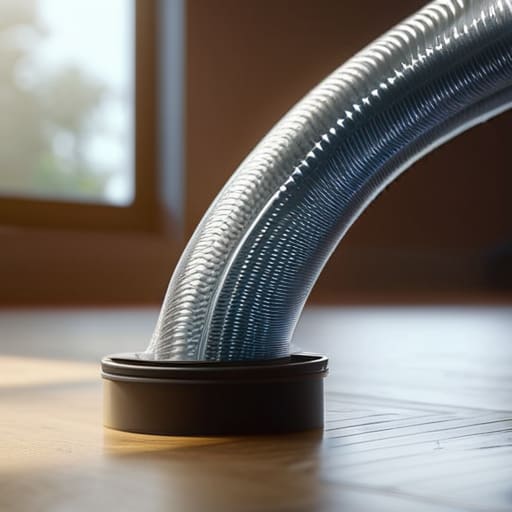
Before you go grabbing a screwdriver, you need to understand that a vacuum isn’t just one single machine; it’s a whole system of moving air. When people call me because they think their machine is dead, they’re usually just seeing a symptom, not the disease. Most of the time, what looks like a motor failure is actually just a massive obstruction somewhere in the plumbing. A proper vacuum suction power test isn’t just about seeing if it picks up a coin; it’s about observing how the machine reacts to different levels of resistance.
If you’re struggling to figure out what’s actually wrong, try checking vacuum airflow by placing your hand over the hose inlet versus the exhaust. If you feel a strong pull at the hose but nothing at the floor head, you’ve likely got a clog in the neck or a perished seal. If the suction feels weak across the board, you’re probably looking at vacuum suction loss causes like a saturated filter or a dying motor. Don’t jump to conclusions; most of these machines just need a bit of breathing room to do their job properly again.
Key Things to Know
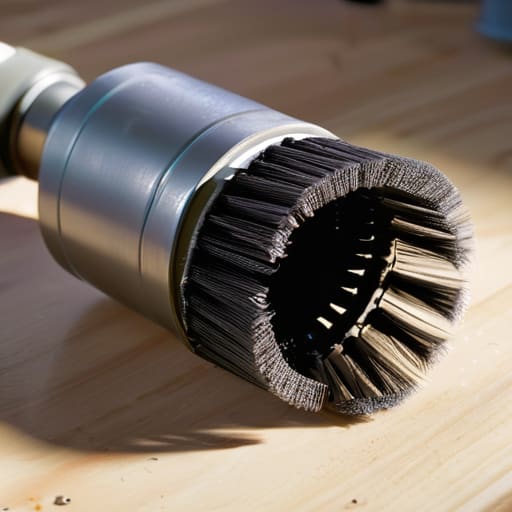
Before you start pulling things apart, you need to understand that a vacuum is a system, not just a single motor. Most people assume a lack of power means the motor is dying, but that’s rarely the case. When I’m looking at vacuum suction loss causes, I’m usually looking for a blockage or a seal that’s gone perished. A tiny bit of grit in a hose or a hairball wrapped around a brush roll can make a perfectly healthy machine feel like it’s gasping for air.
Don’t just test it on your carpet and call it a day. You should be testing vacuum on different surfaces—try the hard floor, then the rug—to see if the issue is the suction itself or just the brush roll failing to agitate. If you want a proper vacuum suction power test, try the old banknote trick: hold a single piece of paper against the nozzle. If it stays stuck, you’ve got air; if it flutters and falls, you’ve got a problem. It’s a simple, no-nonsense way to tell if you’re dealing with a mechanical failure or just a bit of neglected maintenance.
A Few Things I’ve Learned After Eighteen Years of Pulling Motors Apart
- Don’t go buying a new machine the second you hear a funny noise; half the time it’s just a stray coin or a bit of grit stuck in the brush bar that’s making a racket.
- Always check the seals around the canister or the hose connection; if air is leaking out of a crack, you’ll lose all your suction and think the motor’s died when it’s actually working fine.
- Give the filters a proper look—if they’re caked in grey dust, the machine is basically trying to breathe through a thick woollen scarf, and that’ll burn out your motor eventually.
- When you’re testing the suction, don’t just rely on feeling it with your hand; try picking up a handful of dried lentils or small beads to see if it actually has the strength to lift them.
- Keep an eye on the smell; if it starts smelling like something’s burning, turn it off immediately, because that’s usually a sign the belt is slipping or the motor is struggling against a blockage.
The Bottom Line
Most “broken” vacuums aren’t actually dead; they’re just suffocating under a layer of dust or a single blocked hose that needs a five-minute clear.
Don’t go buying a new machine until you’ve actually opened it up and checked the basics—it’s usually a missing part or a clog, not a failed motor.
If you can’t find the problem after a thorough check, then you’re looking at a proper repair, but nine times out of ten, the fix is simpler than the manual makes it out to be.
Don't Toss It Just Yet
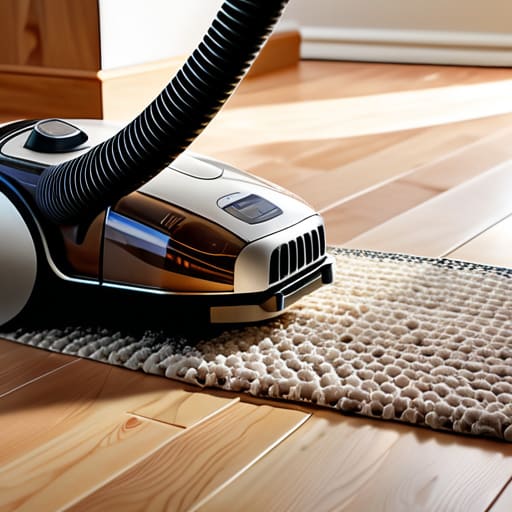
At the end of the day, testing your vacuum isn’t about being an engineer; it’s just about having a bit of patience. Most of the time, the problem isn’t a burnt-out motor or a dead circuit board. It’s usually something much more mundane, like a clogged hose or a filter that’s seen better days. If you’ve gone through the steps of checking the suction, inspecting the brushes, and clearing the pathways, you’ve already done more than most people bother with. Remember, if the machine sounds right but isn’t picking up, the issue is almost certainly airflow related, not a mechanical failure.
I’ve spent eighteen years looking at the insides of machines that people were ready to dump on the curb. It breaks my heart to see a perfectly good appliance head for the landfill just because someone didn’t want to spend ten minutes getting their hands a bit dirty. Don’t let a bit of dust convince you that something is beyond repair. Take the time to look inside, clear out the grit, and give it a fair shake. You’ll find that most of these machines are far more resilient than we give them credit for, and there is a quiet satisfaction in knowing you saved a tool from the scrap heap.
Frequently Asked Questions
If I find a blockage in the hose, is it worth trying to clear it myself or should I just buy a new vacuum?
Don’t you dare go out and buy a new one just yet. A blocked hose is a nuisance, not a death sentence. Most people see a loss of suction and think the motor’s gone, but it’s usually just a clump of hair or a rogue coin stuck in the bend. Grab a broom handle or a piece of stiff wire and see if you can nudge it loose. It’s a ten-minute job that saves you a hundred quid.
How can I tell if the motor is actually burnt out versus just being choked by dust?
It’s the classic dilemma. If the motor smells like ozone or burning plastic, or if it’s making a high-pitched, grinding scream, it’s likely toast. But if it just cuts out when you hit a patch of carpet, it’s usually just choking. Unplug it, clear the brushes, and check the airflow. Most of the time, it isn’t a dead motor; it’s just a machine gasping for air because someone forgot a filter exists.
Is it safe to test the suction if I can smell something burning when I turn it on?
Absolutely not. If you smell something burning, turn it off and pull the plug immediately. Don’t “test” it further. That smell is your warning sign—it’s usually a motor overheating or a belt slipping and friction-burning. If you keep pushing it, you aren’t just testing suction; you’re turning a simple repair into a dead machine. Stop, let it cool, and let’s figure out if it’s just a clog or something more serious.
