









I’ve spent eighteen years pulling apart washing machines and vacuums in Bristol, and if there is one thing I’ve learned, it’s that we’ve been sold a bill of goods when it comes to energy efficiency. You’ll see all these fancy, high-tech appliances boasting about their “eco-modes,” but they don’t tell you about the tiny, glowing red lights or the digital displays that stay awake all night long. Most people think they need to buy a brand-new, smart-connected fridge just to save a few pennies, but that’s nonsense. Realizing how to cut standby power waste isn’t about upgrading your whole kitchen; it’s about understanding those little silent thieves that are bleeding your electricity while you’re tucked up in bed.
I’m not here to sell you on some expensive new gadget or a complicated home automation system. I’ve opened more machines than most people will ever own, and I know exactly where the power is actually going. In this post, I’m going to give you the straight truth on which culprits are worth your time and which ones are just noise. I’ll show you the practical, no-nonsense ways to plug those leaks without having to rewire your entire house.
Understanding How to Cut Standby Power Waste
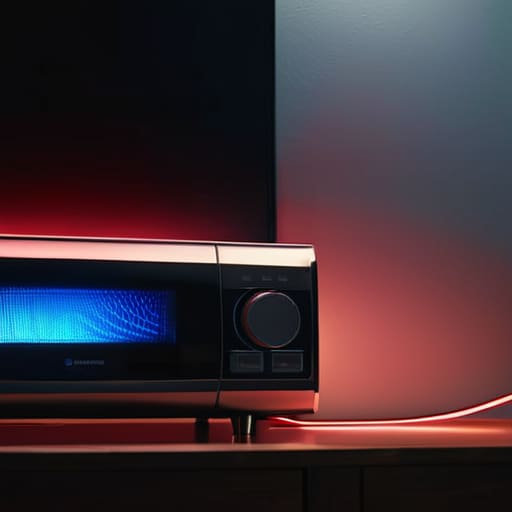
To get why this matters, you have to stop thinking of your appliances as things that are either “on” or “off.” Most modern kit is never truly off. Even when your TV is black and your microwave clock is just glowing, there’s a tiny, constant trickle of current moving through the circuits. I call it the “ghost in the machine.” It’s a constant drain, a bit like a leaky tap that you just ignore until the bill arrives. When you start looking at these vampire energy saving tips not as a chore, but as plugging the leaks, the math starts to make sense.
It isn’t just about one big machine; it’s the cumulative effect of twenty little ones. If you’re looking at reducing household electricity costs, you have to look at the things you don’t notice. It’s the phone charger sitting in the socket with no phone attached, or the coffee machine waiting for a button press that might not come for hours. Most of it is just idle circuitry waiting for a command. Once you realize that these little standby draws are essentially paying a tax for doing absolutely nothing, it becomes much easier to start pulling the plugs.
Key Things to Know

First off, you need to understand that not all “off” buttons are created equal. I’ve spent years pulling apart machines only to find that even when they look dead, they’re still sipping power. It’s what I call the ghost in the machine. If you want real results in reducing household electricity costs, you have to look for those little glowing LEDs or digital clocks that stay lit up all night. Those aren’t just decorations; they are constant drains.
Another thing to keep in mind is that modern convenience often comes with a hidden price tag. We’ve become so used to everything being “ready to go” that we’ve forgotten how much energy that readiness costs. I’m a big believer in unplugging electronics impact—it’s the simplest way to be sure a device is actually dead. If you can’t reach the plug behind the heavy sideboard, don’t bother fighting with it. Instead, look into smart power strip benefits; they do the heavy lifting for you by cutting the connection to everything except the one thing you actually want to keep on.
Practical Tips and Steps
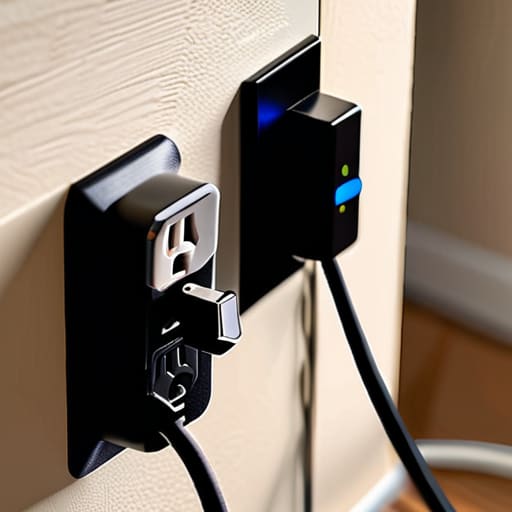
Now, let’s get down to the brass tacks of actually stopping the bleed. If you want to see a difference in your bills, you need to start looking at your sockets differently. One of my favorite vampire energy saving tips is to stop treating your extension leads like permanent fixtures. I always tell people to grab a few power strips with individual switches. It’s much easier to flick one switch on a strip than to crawl behind the sideboard every night to yank out a TV plug. It’s a small habit, but the unplugging electronics impact adds up faster than you’d think over a month.
If you’re the type who can’t stand a dark room, look into smart power strip benefits. These clever bits of kit can sense when your main device, like a computer, has gone into sleep mode and will automatically cut the juice to your peripherals. It’s a bit more modern than my usual toolkit, but it’s a brilliant way of managing energy efficient appliance management without having to play electrician every single evening. Just keep it simple; you don’t need a degree to save a bit of money.
Common Mistakes to Avoid
One of the biggest blunders I see is people thinking they’ve “turned off” a machine when they’ve really just put it into a deep sleep. I’ve pulled apart enough control boards to know that a TV or a microwave on standby is still very much “awake,” sipping electricity through those little glowing lights or digital clocks. People often think they are doing their part, but they miss the unplugging electronics impact on the actual meter. If it’s got a light, it’s costing you money.
Another mistake is the “set it and forget it” mentality with cheap power strips. I’ve seen plenty of folks buy a basic strip thinking they’ve mastered energy efficient appliance management, only to find the strip itself is poorly made and leaks power. If you aren’t using high-quality gear, you aren’t actually doing anything. If you want to see real results in reducing household electricity costs, you need to look at the smart power strip benefits—specifically the ones that actually cut the connection when a device goes idle. Don’t just buy the cheapest plastic bit in the shop; it won’t do the job.
Final Thoughts
At the end of the day, it isn’t about some grand, sweeping overhaul of your entire home. It’s about the small, repetitive habits that stop the bleed. I’ve spent nearly two decades pulling apart machines only to find they were perfectly fine, just poorly managed. If you take a moment to look at your sockets, you’ll see those little glowing lights everywhere—they might look harmless, but they are constant drains. Implementing a few simple vampire energy saving tips is often more effective than buying a brand-new, expensive machine that’ll just end up in a landfill in five years.
Don’t overcomplicate it. If you aren’t using it, kill the connection. Using a few good power strips can make a massive difference, especially when you’re looking at the unplugging electronics impact on your monthly bill. It’s about being sensible. Most of the “broken” tech I see is just neglected, and the same goes for your electricity. Stop letting your house eat money while you’re asleep; it’s much easier to prevent the waste than it is to fix a budget that’s been bled dry.
Five Ways to Stop the Bleeding
- Get yourself a few decent power strips with individual switches. I’ve spent far too many years looking at TV setups where everything is plugged into one socket, just sitting there humming away. Switch the strip off at night and you’ve effectively cut the cord without having to crawl behind the sideboard every single evening.
- Watch out for those “smart” gadgets that don’t actually need to be smart. A toaster doesn’t need to be connected to your Wi-Fi, and it certainly doesn’t need to be drawing power while it’s waiting for you to make a slice of bread. If it doesn’t have a physical “off” button that kills the display, it’s likely a tiny thief.
- Don’t be fooled by the “eco” modes on modern appliances. Sometimes, keeping a machine in a low-power standby state actually uses more juice over a month than just turning it off at the wall entirely. If the manual says it’s saving energy but the little green light is still glowing, give it a proper shut-down.
- Check your chargers. I see it all the time—phone bricks and laptop adapters left plugged into the wall with nothing attached to them. They might look dead, but they’re still pulling a bit of current. If you aren’t charging something, pull the plug out. It’s a five-second job that adds up.
- Be mindful of your kitchen counters. Between the coffee machine, the air fryer, and the microwave, there’s a whole army of little standby lights waiting to drain your meter. If you’re not planning on using the kettle for the next six hours, there’s no reason for it to be sitting there in a state of readiness.
The Bottom Line
Most of the “broken” machines I see are perfectly fine; they’re just being drained by little standby lights that don’t need to be on.
Don’t let a few rogue plugs bleed your wallet dry—using a decent power strip to kill the connection entirely is the simplest fix there is.
It isn’t about big, expensive changes; it’s about noticing the small, silent ways your appliances are stealing power while you’re busy doing something else.
One Last Look Before You Switch Off
At the end of the day, cutting down on standby waste isn’t about some complicated engineering feat; it’s about being a bit more mindful of what’s plugged into your walls. We’ve talked about everything from those sneaky little red standby lights to the sheer benefit of using a decent power strip to kill the connection entirely. It really comes down to the basics: if you aren’t using it, don’t let it sit there sipping electricity for no reason. It’s a bit like leaving the tap dripping—it doesn’t seem like much in the moment, but it’s a waste of resources that adds up far quicker than most people realize.
I’ve spent eighteen years pulling apart machines that people thought were dead, only to find they were perfectly fine—they just needed a bit of attention. Your appliances are the same way. They aren’t enemies, but they do need you to be the boss of them. If you take five minutes to check your plugs before you head out or go to bed, you’re doing more than just saving a few pennies on your bill; you’re actually respecting the tools you use every day. It’s small, practical work, but it’s the kind of thing that makes a house run properly.
Frequently Asked Questions
If I start pulling plugs on everything, am I going to mess up the internal memory or settings on my washing machine or microwave?
Look, I’ve seen enough control boards to know the worry. For a microwave? Pull the plug. It’s just a simple circuit. But with a modern washing machine, you might lose your custom cycle settings or the clock. It won’t break the machine, mind you—it’s not going to blow a fuse—but it is a nuisance to reset it every time. If you want to save power without the headache, use a power strip instead.
Is it actually worth the hassle of using power strips for every single little gadget, or am I just making my life more complicated for a few pennies?
Look, I’ve spent eighteen years pulling apart machines that people swore were dead, and half the time it’s just a bit of grit in the wrong place. It’s the same with power. Is it a massive hassle? For one gadget, maybe. But if you’ve got a whole entertainment unit or a desk setup, those power strips are worth their weight in gold. It’s not about the pennies; it’s about stopping the slow bleed.
I've noticed some of my newer appliances don't even have a standby light anymore; does that mean they aren't drawing any power at all?
Don’t let that lack of a little red light fool you. Just because you can’t see it doesn’t mean the machine isn’t sipping on your electricity. Most of these newer, fancy digital boards are always “listening” for a signal from a remote or a timer. They’re still drawing a trickle of power to keep those microchips awake. If it’s plugged in and the clock is digital, it’s still costing you money.
