







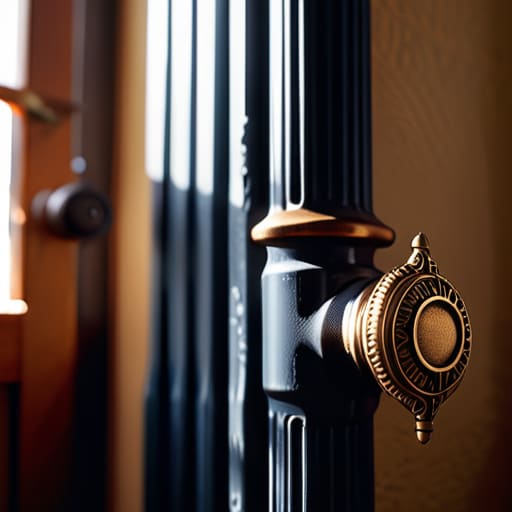

I’ve spent eighteen years pulling apart washing machines and vacuums in Bristol, and if there’s one thing I’ve learned, it’s that people love to blame a “broken” system for something that’s actually just poorly tuned. You’ll often hear folks complaining that they need a whole new boiler because one room is freezing while the other is stifling, but the truth is usually much simpler. Most of the time, you aren’t facing a mechanical failure; you’re just dealing with the headache of balancing radiators in a house that hasn’t been adjusted in a decade. It’s rarely about the expensive hardware and almost always about how the water is actually moving through the pipes.
I’m not here to sell you a fancy smart-home kit or a plumber’s expensive consultation. Instead, I’m going to show you how to actually listen to your heating system. I’ll walk you through the straightforward, manual process of adjusting those valves to ensure every room gets its fair share of heat. We’ll skip the jargon and get straight to the practical steps so you can stop shivering in the spare room and start saving money on your heating bills.
Guide Overview
Tools & Supplies
- Radiator key or valve tool for adjusting lockshield valves
- Thermometer to measure radiator temperature differentials
- Notepad and pen to track valve positions
- None required (uses existing system valves)
Step-by-Step Instructions
- 1. First things first, you need to get your hands on a radiator key and a bit of patience. Before you start turning anything, go around the house and bleed every single radiator until they’re all running full and tight. There’s no point in trying to balance the flow if there’s a pocket of air sitting in the top of the unit acting like a dam in a river.
- 2. Now, turn your central heating on and let it run for about half an hour. You want the system to reach its normal operating temperature so the water is actually moving properly. If you try to do this while the system is still warming up, you’re just chasing a moving target, and you’ll end up frustrated.
- 3. Once the house is warm, head to the radiator that’s closest to your boiler—the one that’s always boiling hot while the others stay lukewarm. Find the lockshield valve, which is usually tucked away under a little plastic cap on the opposite side of the temperature control valve. Turn it until it’s fully open, then tighten it just a tiny bit if it feels loose.
- 4. Move to the radiator furthest away from the boiler, the one that’s usually struggling to keep the chill off. This one is likely getting all the water because the path of least resistance is through the main pipes. You’re going to need to restrict the flow here by turning that lockshield valve clockwise until it’s mostly closed, leaving just a small gap for water to pass through.
- 5. Now comes the bit that requires a bit of a steady hand. Go back to the radiators in the middle of the house and start adjusting their lockshields. The goal is to throttle them back just enough so they don’t “steal” all the heat from the far end of the system. It’s a bit of a balancing act—literally—and you’ll likely need to do this in small, incremental turns.
- 6. Keep checking the temperature of the pipes and the radiator surfaces as you go. You’re looking for a setup where every radiator feels consistently warm to the touch, rather than having one that’s scalding and three that are barely tepid. If one room is still freezing, you haven’t restricted the others enough; if one is too hot, you’ve left its valve too wide.
- 7. Once you think you’ve nailed it, leave the heating on for another hour and then do one final check. If everything feels even, you’re done. If not, don’t get discouraged; I’ve spent decades tweaking valves, and it usually takes a few tries to get the flow exactly where it needs to be.
Understanding Balancing Radiators in a House
Look, it’s easy to assume that if the boiler is firing, the job is done. But after years of poking around under floorboards and behind radiators, I’ve seen it a thousand times: a house that’s freezing in the bedroom but sweltering in the lounge. Most people think they need a new heating system, but usually, they just have uneven heating in rooms because the water is taking the path of least resistance. It’s like a garden hose with a dozen leaks; the water just goes where it’s easiest, leaving the far end bone dry.
To get things right, you have to stop thinking about just turning the heat up and start thinking about controlling the flow. This is where lockshield valve settings come into play. These aren’t your standard twisty knobs for setting the temperature; they are the silent regulators that dictate how much hot water actually enters each unit. If you don’t get these dialed in, you’re essentially fighting your own plumbing, and you’ll never achieve true central heating system efficiency. It’s about balance, not brute force.
Key Things to Know
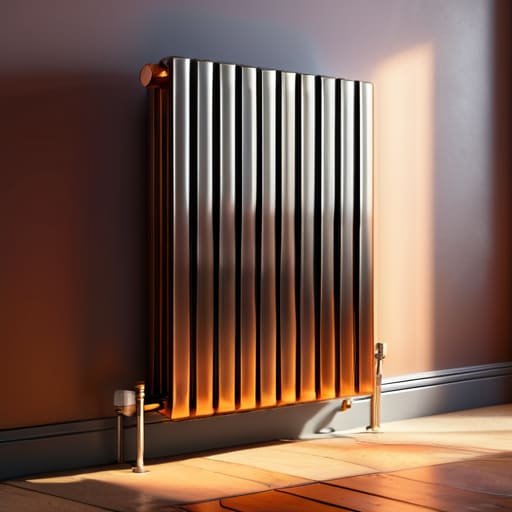
Before you start turning screws, you need to understand that your system is a delicate loop, not a series of isolated units. I’ve seen plenty of folks try to fix uneven heating in rooms by simply cranking up the heat, but that’s like trying to fix a blocked washing machine hose by turning the tap to full blast. It won’t work. You’re dealing with pressure and flow. If the radiators closest to the boiler are hogging all the heat, the ones at the end of the run will always stay lukewarm, no matter how high you set the thermostat.
You’ll also need to get comfortable with your lockshield valve settings. These are the ones that usually have a plastic cap on them; they aren’t meant to be fiddled with every day, but they are the key to improving radiator heat distribution across the whole house. While you’re at it, keep an eye on your thermostatic radiator valves. A bit of thermostatic radiator valves adjustment can go a long way, but remember: you’re trying to find a balance, not fighting the system. It takes a bit of patience, but once it’s right, you’ll notice the difference immediately.
A Few Bits of Advice Before You Start Turning Valves
- Don’t go hunting for the balance valve if your boiler is acting up first. If the heat source itself isn’t steady, all the fiddling in the world won’t fix a cold room.
- Get a thermometer and a bit of patience. You can’t just guess based on how the air feels; you need to see if the temperature at the far end of the house actually matches the ones near the boiler.
- Work from the furthest radiator back towards the boiler. It’s a bit like clearing a blockage in a pipe—you want to start at the end of the line to make sure the pressure is being directed where it’s actually needed.
- Ease off the valves slowly. I’ve seen people yank a valve shut thinking they’re being efficient, only to end up with a noisy system that sounds like a bag of spanners rattling around your ceiling.
- Keep an eye on your pump. If you’ve balanced everything perfectly and you’ve still got cold spots, your pump might be tired, and no amount of valve-turning is going to bring it back to life.
The Bottom Line
Don’t assume a cold radiator means it’s broken; most of the time, it’s just being starved of water because the flow hasn’t been balanced.
You don’t need a degree in engineering to do this, but you do need a bit of patience and a steady hand on those valves.
If you get the balance right, you’ll stop fighting your thermostat and start actually feeling the heat where you need it.
A Bit of Warmth to Finish
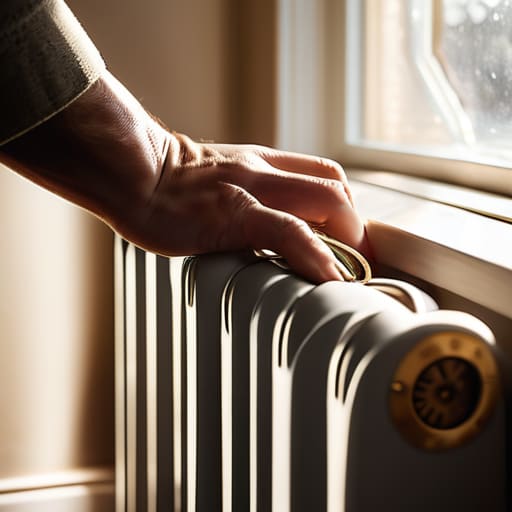
At the end of the day, balancing your radiators isn’t about magic; it’s just about making sure the hot water actually goes where it’s needed instead of just circling the boiler. You’ve gone through the effort of checking the valves, bleeding the air out, and adjusting those lockshield valves to get the flow right. It might feel like a bit of a faff when you’re kneeling on a hard floor with a spanner in hand, but once you’ve properly calibrated the system, you’ll stop seeing those cold spots that make a room feel drafty even when the heating is on. It’s about efficiency, plain and simple.
I’ve spent eighteen years pulling apart machines that people thought were dead, only to find they just needed a bit of attention and a bit of care. Your heating system is no different. Most people see a cold room and think they need a bigger boiler or a whole new setup, but usually, it’s just a matter of giving the system a chance to work. Don’t be afraid to get your hands a little dirty and tinker with things. There is a real satisfaction in knowing your home is running exactly the way it should, without wasting a penny on heat that’s just disappearing into thin air.
Frequently Asked Questions
If I've already turned the valves and one room is still freezing while the others are boiling, have I gone too far?
Don’t panic, you haven’t ruined it. It just means you haven’t found the sweet spot yet. If one room is freezing while the others are roasting, you’ve likely throttled the valves on the hot rooms too much, or you haven’t opened the cold room’s valve enough to let the flow in. Back off the valves in the boiling rooms just a fraction and try again. It’s a bit of a balancing act, literally.
Do I need to turn the heating off completely to do this, or can I tinker with it while the system is running?
You definitely want the heating off. I’ve seen too many people try to fiddle with valves while the pump is pushing hot water through the system, and it’s a recipe for a mess. If the system is running, you won’t be able to feel the temperature changes in the radiators, so you’ll be flying blind. Let the system cool down completely first; it’s much easier to work when things aren’t scalding your fingers.
Is there a way to tell if the problem is actually a blocked radiator rather than just poor balancing?
You can usually tell by how the heat feels. If a radiator is balanced poorly, it’ll be hot at the top but lukewarm at the bottom. That’s just a flow issue. But if it’s blocked with sludge—what we call “black custard”—the whole thing will feel cold or unevenly tepid, no matter how much you fiddle with the valves. If it’s stone cold despite being full of water, you’ve got a blockage.
