







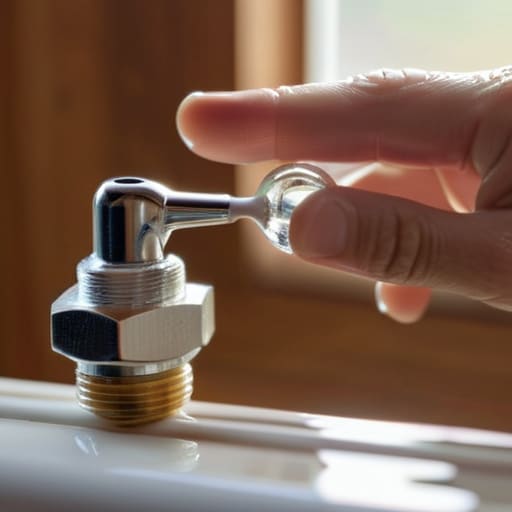

I was kneeling on a damp carpet in a drafty semi in Bedminster last Tuesday, staring at a radiator that was stone cold at the top but boiling at the bottom. Most people would have called a heating engineer straight away, thinking the whole boiler had packed up, but I knew better. It’s rarely a catastrophe; usually, it’s just a bit of trapped air playing games with your comfort. If you’re sitting there shivering and wondering how to bleed a radiator without making a massive mess or calling out an expensive professional, you aren’t alone. It’s one of those little things that makes people panic, but once you understand the physics of it, it’s dead simple.
I’m not going to give you a lecture on thermodynamics or a list of fancy tools you don’t need. I’ve spent eighteen years pulling apart machines that people thought were dead, and I can tell you that the simplest fixes are often the most overlooked. In this guide, I’ll walk you through exactly what you need to do to get that heat flowing properly again. We’ll cover the right way to use a key, how to catch the water before it ruins your floor, and how to know when you’ve actually finished the job.
Guide Overview
Tools & Supplies
- Radiator key or flat-head screwdriver to turn the valve
- Cloth or rag to catch escaping water and drips
- Small container or cup to catch water runoff
- Water (if topping up the central heating system)
Step-by-Step Instructions
- 1. First things first, you’ve got to turn the heating off. If you try to do this while the boiler is still pumping hot water through the pipes, you’re going to end up with a face full of scalding water, and I’ve seen enough singed eyebrows in my time to know it isn’t worth the trouble. Give the system a good twenty minutes to settle down and cool off.
- 2. Grab yourself a small radiator key—you can get them for a couple of quid at any hardware shop—and a thick rag or a bowl. I always keep a few old tea towels handy for exactly this reason. You’ll need something to catch the little squirts of water that come out once the air is gone, otherwise, you’ll be mopping up the floor for the next hour.
- 3. Find the bleed valve, which is usually tucked away at the top end of the radiator. It’s a little metal nub with a square notch in the middle. Hold your cloth or bowl right underneath it, and then slowly turn the key anti-clockwise. Don’t go turning it like you’re opening a jar of jam; just a tiny nudge is all it takes to break the seal.
- 4. Now, listen closely. You’re going to hear a hissing sound, like a punctured tyre. That’s the trapped air escaping, and that’s exactly what we’re looking for. If you hear that hiss, you know you’re on the right track. Just hold the valve open and let that air bleed out of the system until the sound stops.
- 5. Once the hissing dies down, the water will start to spurt out. This is the moment to tighten the valve back up immediately. Don’t overdo it—just turn the key clockwise until it stops. If you leave it too loose, you’ll just be creating a new leak, and then we’ll be dealing with a whole different set of problems.
- 6. Take a quick look at your boiler or your pressure gauge if you have one. Bleeding the radiators can sometimes cause the system pressure to drop a bit. If it looks a little low, you might need to top it up at the boiler, but for most modern setups, a quick check is plenty.
- 7. Finally, go back around and turn your heating back on. Check the radiator you just worked on; it should feel hot all the way across now, from the top to the bottom. If there’s still a cold patch at the top, you’ve still got air trapped in there, so you’ll need to go back and give it another go.
Understanding How to Bleed a Radiator
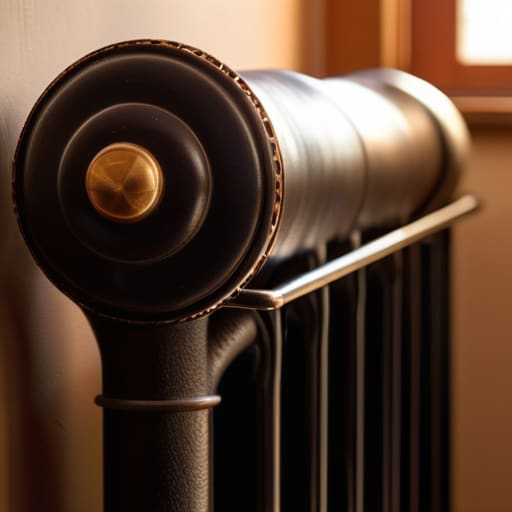
If you’re noticing cold spots on radiator tops while the bottom stays warm, don’t go calling out a technician just yet. It’s rarely a major fault; usually, it’s just a pocket of air playing hide-and-seek inside the unit. Air is lighter than water, so it naturally drifts to the highest point in the metal fins, acting like a little bubble of insulation that prevents the hot water from doing its job. It’s a nuisance, but it’s a standard part of central heating system maintenance that most folks overlook until their toes start getting chilly.
Before you grab your radiator bleed key tool, keep one thing in mind: the air has to go somewhere. If you find yourself letting out a lot of hissing air and the water barely trickles out, you might need to check your boiler. Once the air is gone, the water level in the system drops, and that’s when you’ll need to learn how to check boiler pressure to make sure everything is balanced. It’s all connected, like the plumbing in a washing machine—one little blockage or air pocket can throw the whole rhythm off.
Key Things to Know
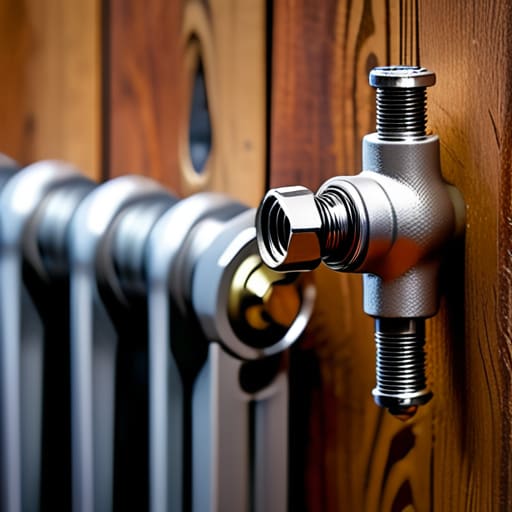
Before you grab your tools, keep one thing in mind: don’t go hunting for a screwdriver if you can help it. You really ought to have a proper radiator bleed key tool tucked away in a kitchen drawer. Trying to improvise with a pair of pliers or a knife is a quick way to strip the valve head, and then you’ve gone from a simple bit of maintenance to a proper nightmare involving a plumber and a much larger bill.
While you’re at it, keep an eye on your boiler gauge. If you’ve just finished letting the air out, you might notice the pressure has dropped. It’s a standard part of central heating system maintenance; once that air is gone, the water takes its place. You’ll likely need to know how to check boiler pressure and top it up slightly to keep everything running smoothly. If you see those tell-tale cold spots on radiator surfaces, it’s usually a sign that air is still playing hide-and-seek inside. Just take your time and listen for that hiss.
A Few Bits of Wisdom Before You Get Stuck In
- Keep a rag or an old towel handy. It’s not a matter of if you’ll get a bit of black, murky water on your hands or the floor, but when. I’ve seen enough spills to know you can’t wing it without a bit of cloth.
- Don’t go turning the key like you’re trying to start a lawnmower. Just a gentle, tiny turn is all it takes to break the seal. If you force it, you’ll end up stripping the valve, and then you’ve got a much bigger headache on your hands.
- Turn the heating off first. If the pump is running while you’re trying to let the air out, you’ll just be fighting the system. Let the water settle so you can actually hear that hiss of air escaping.
- Get a proper radiator key. I’ve seen people try to use a flat-head screwdriver, and it’s a recipe for a stripped screw and a very frustrated afternoon. They cost pennies and save you a lot of swearing.
- Watch the temperature. The water might be spitting air, but once that air is gone, it’ll start coming out hot. Don’t be caught off guard and end up with a scald because you were too busy looking at the valve.
The Short Version
Don’t go overboard; you only need to let enough air out until the water starts spitting, then shut it tight immediately.
Check your boiler pressure right after you’re done, because letting that air out is going to drop the level in your system.
If you’ve got a radiator that’s still cold at the top after you’ve bled it, you’ve likely got a bigger issue than just a bit of trapped air.
A Bit of Warmth Goes a Long Way
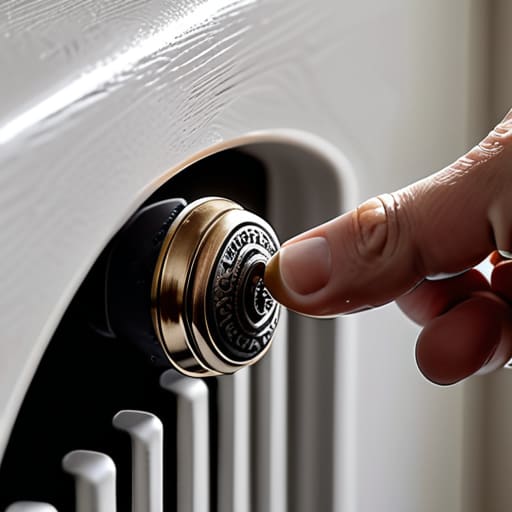
So, there you have it. It isn’t rocket science, is it? Just remember to keep that little rag handy to catch the drips, listen for that tell-tale hiss, and for heaven’s sake, don’t forget to top up your boiler pressure once you’ve finished. If you’ve done it right, those cold spots should vanish, and your radiators will be humming along nicely. It’s usually just a bit of trapped air playing tricks on you, and a quick five-minute job is all it takes to stop your heating system from working twice as hard for half the result.
I’ve spent nearly two decades looking at things people thought were “broken,” only to find they just needed a bit of attention and a steady hand. Most of the time, we throw things away or call in the expensive pros when the solution is sitting right there under a plastic cap. Don’t be intimidated by a bit of plumbing; once you realize that most things are fixable with a bit of patience, the world feels a lot less complicated. Give it a go, keep your tools close, and enjoy a house that actually stays warm this winter.
Frequently Asked Questions
What if the valve is stuck tight and won't budge even with a bit of force?
Don’t go at it like a maniac; you’ll just snap the spindle and end up with a flooded kitchen. If it’s seized, try a tiny bit of penetrating oil first—give it ten minutes to soak in. If that fails, use a bit more leverage with your key, but keep it steady. If it still won’t budge, leave it alone. At that point, the valve is shot and needs replacing, not wrestling.
How much water should I actually expect to come out before I shut it off?
Don’t go expecting a flood; you’re just looking to clear the air, not drain the whole system. It’ll usually be just a quick, sputtering spurt of water once that hiss stops. If it keeps running like a tap, you’ve likely gone too far or your pressure is a bit wonky. Just shut it tight the second the air bubbles stop and the flow turns steady. A tiny bit in a rag is all you’ll need.
Do I need to turn the heating on or off before I start messing with the valves?
Turn the heating off first. You don’t want the boiler kicking in while you’ve got the valve open and the water pressure dropping. It’s much easier—and a lot safer—to work on a system that’s gone cold. Wait until the radiators aren’t warm to the touch before you start. It gives you a bit of breathing room so you aren’t fighting scalding water or a pump that’s trying to make sense of a sudden change.
