









I spent twenty minutes yesterday listening to a lad in Clifton explain why he needed a three-thousand-pound industrial dehumidifier system to fix his living room. Honestly, it’s enough to make you roll your eyes. People love to throw money at expensive gadgets when the real issue is usually just a blocked extractor fan or a window seal that’s given up the ghost. If you’re searching for how to reduce damp in a flat, you don’t need a bank loan; you usually just need to understand how air actually moves through your space. Most of the time, it’s not a structural catastrophe—it’s just poor maintenance and a lack of common sense.
I’ve spent eighteen years pulling apart machines and looking behind heavy appliances, so I know exactly where the moisture likes to hide. I’m not going to sell you on any fancy chemical sprays or miracle products that end up in a landfill next month. Instead, I’m going to give you the straight talk on how to manage your airflow, clear your vents, and stop the rot before it starts. We’re going to look at the practical, low-cost ways to keep your home dry without wasting a penny on nonsense.
Understanding How to Reduce Damp in a Flat
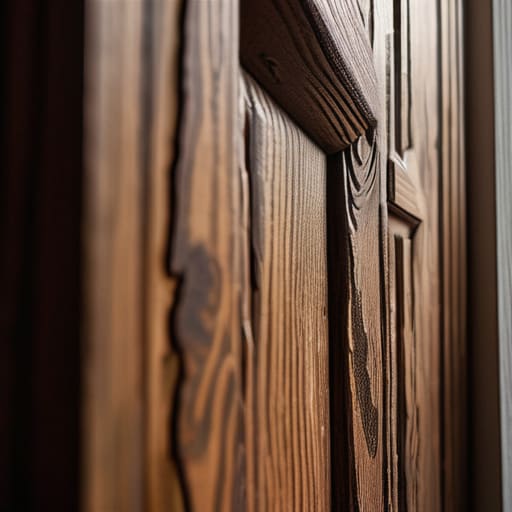
Before you go buying fancy sprays or scrubbing at walls, you need to understand what you’re actually fighting. Damp isn’t just a nuisance; it’s a symptom of a building that can’t breathe. In a flat, you’re often dealing with shared walls and limited airflow, which makes managing humidity levels indoors a bit of a balancing act. I’ve spent years pulling apart machines that were choked by sludge and hair, and it’s the same logic here: if the moisture has nowhere to go, it’s going to settle somewhere it shouldn’t, usually in your corners or behind your wardrobes.
You have to distinguish between simple condensation and actual signs of structural dampness. If you see water beads on the glass every morning, that’s a ventilation issue. If you see salt deposits or bubbling plaster, you’ve got a deeper problem with the building itself. Most of the time, though, it’s just about preventing black mould in flats by making sure you aren’t trapping steam from your shower or cooking right against the cold outer walls. It’s about movement—moving air and moving moisture.
Key Things to Know
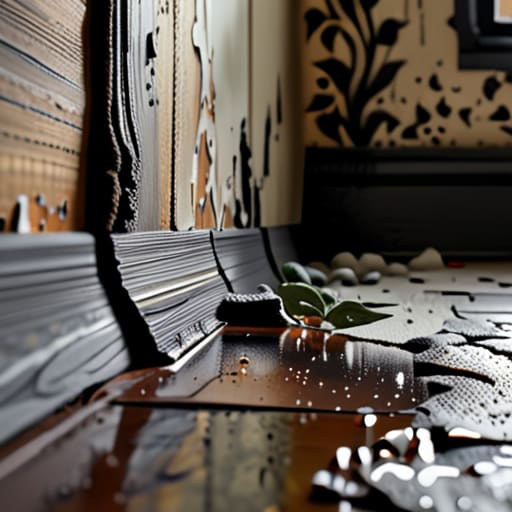
First things first: you need to know the difference between a bit of condensation on a pane of glass and actual signs of structural dampness. If you’re seeing dark patches creeping up from behind the skirting boards or the wallpaper is bubbling away from the plaster, that’s not just a “ventilation issue”—that’s a problem with the building itself. I’ve seen enough damp walls to know that once the moisture gets inside the masonry, a simple open window won’t save you.
If it’s just surface moisture, though, your main battle is managing humidity levels indoors. People often think they need to blast the heating, but if you aren’t moving the air, you’re just making a sauna for spores. I always tell folks that if they’re living in a tight space, a decent dehumidifier for small apartments is worth every penny. It’s much more effective than trying to dry out a room with a radiator alone. Keeping the air moving and the moisture out is the only way you’ll succeed at preventing black mould in flats.
Practical Tips and Steps

First things first, stop treating your windows like they’re broken just because they’re dripping. That condensation is a massive red flag; it’s the most obvious of the signs of structural dampness or, more likely, just a lack of airflow. If you’ve got water pooling on the sills, you need to start opening those windows for at least ten minutes a day, even if it’s freezing outside. I’ve seen enough damp-ridden rooms to know that stagnant air is the enemy. If you can’t get a breeze through, you’re basically inviting moisture to settle into your wallpaper.
If you’re living in a cramped space where you can’t exactly throw the windows open all day, you might need to look into a dehumidifier for small apartments. It’s not a luxury; it’s a tool, much like a good screwdriver. Keeping a machine running to pull moisture out of the air is far more effective than just spraying bleach around and hoping for the best. It’s about managing humidity levels indoors before the spores even get a chance to take root. Once you see that black fuzz creeping up the corner, you’re already playing catch-up.
Common Mistakes to Avoid
The biggest blunder I see is people trying to fight moisture with more moisture. I’ve seen folks buy “humidifier” machines thinking they’ll help with dry air, but in a small flat, you’re just adding fuel to the fire. If you aren’t careful with managing humidity levels indoors, you’re basically inviting a colony of spores to set up shop in your corners. Another mistake is ignoring the obvious: if you see water pooling on a windowsill, don’t just wipe it away and walk off. That’s a sign you need actual window condensation solutions, like better airflow or a decent vent, rather than just a quick wipe with a cloth.
Then there’s the “set it and forget it” trap with heating. People turn the radiator off entirely to save a few pennies, but then the air goes stagnant and cold. Stagnant air is where the real trouble starts. If you aren’t moving air through the space, you’re failing at preventing black mould in flats. Don’t wait until you see dark spots on the ceiling to act; by then, the battle is already half-lost.
Final Thoughts
At the end of the day, keeping a flat dry isn’t about some magic trick or a fancy expensive gadget; it’s about being mindful of how you live in the space. I’ve spent nearly two decades pulling apart machines and seeing how moisture travels through vents and hoses, and I can tell you that consistency is everything. You can’t just open a window once a week and expect the walls to stay bone-dry. It’s the small, daily habits—like clearing your vents and not letting steam sit in the air—that make the difference between a comfortable home and a struggle against the damp.
If you find yourself constantly fighting the battle, don’t ignore the warning signs. If you’re seeing patches that won’t budge, you might be looking at signs of structural dampness rather than just a bit of surface moisture. Sometimes, a small dehumidifier for small apartments can be a godsend, but it’s really about managing the environment you’ve been given. Don’t let a little bit of condensation turn into a massive headache. Just keep an eye on it, stay proactive, and keep the air moving.
Five ways to stop your flat from feeling like a sponge
- Check your extractor fans. I’ve seen more damp problems caused by a greasy, clogged kitchen fan than by bad building design. If it isn’t pulling air out, you’re just swirling steam around your ceiling.
- Don’t let your clothes dry on radiators. It’s a classic mistake. You’re essentially turning your living room into a giant humidifier, and once that moisture hits the cold walls, you’ve got a problem.
- Keep an eye on your window seals. If you see condensation pooling in the corners of the frames, it’s a sign that the air isn’t circulating right or the seals are failing. Don’t just wipe it away; find out why it’s gathering there.
- Open the windows, even if it’s freezing. I know, it sounds counter-intuitive, but five minutes of a cross-breeze does more for your air quality than any expensive chemical spray you’ll find in a supermarket.
- Watch your houseplants. They’re lovely, but if you’ve got a jungle in a small flat, they’re constantly breathing moisture into the room. If the walls start looking fuzzy, move a few of them to a different room.
The Short Version
Stop treating the symptoms and start looking at the airflow; if you aren’t moving air, you’re just inviting mold to move in.
Don’t go out and buy a fancy new machine when the fix is usually just a blocked vent or a dirty filter.
Most damp problems aren’t “broken” parts of the flat, they’re just a lack of basic, regular maintenance.
The Bottom Line
At the end of the day, tackling damp isn’t about some magic chemical spray or a fancy new gadget; it’s about managing the air and the water you already have. You’ve got to keep those vents clear, make sure your extractor fans aren’t choked with grease, and remember that ventilation is your best friend. I’ve spent eighteen years pulling apart machines only to find they weren’t actually broken—they were just suffocating because someone forgot to clean a filter or clear a blockage. If you keep on top of the little things, like wiping down those condensation beads and checking your seals, you’ll stop the rot before it even starts. It’s all about preventative maintenance, just like it is with a washing machine.
I know it can feel like a losing battle when you’re living in a space that wasn’t built with modern airflow in mind, but don’t let it get you down. Most of these issues come down to simple physics, not some fundamental flaw in your home. Once you understand how the moisture moves, you can take control of your environment. Don’t wait for the black spots to appear on the walls before you act. Start small, stay consistent, and treat your flat with the same care I give to a vintage cast iron skillet. A bit of regular attention goes a long way toward making a house feel like a home again.
Frequently Asked Questions
If I can't install a proper extractor fan in my kitchen because I'm renting, what else can I do to stop the steam from settling on the walls?
If you’re stuck in a rental without a proper fan, you’ve got to manage the moisture manually. Keep a lid on your pans—it stops the steam from escaping into the air in the first place. If you can, get a small plug-in dehumidifier; they aren’t expensive and they actually pull the water out of the air. Most importantly, wipe those walls down with a dry cloth after cooking. Don’t let that condensation just sit there.
Is it actually worth buying a dehumidifier, or am I just throwing money at a problem that needs a proper structural fix?
Look, I’ve spent eighteen years pulling gunk out of machines, and I can tell you: a dehumidifier isn’t a magic wand, but it isn’t a waste either. If your damp is just heavy air from cooking or drying clothes, a machine will save your walls. But if you see water bubbling under the wallpaper or coming through the brickwork, no plug-in box will fix that. Buy one for the moisture, not the leaks.
I've noticed black spots appearing behind my wardrobe—should I move the furniture away from the wall or is that going to make the damp worse?
Move it. If those black spots are appearing behind the wardrobe, you’ve got a classic case of stagnant air. When you push furniture tight against a cold wall, you’re essentially creating a little pocket where moisture gets trapped and can’t breathe. It’s the same reason I tell people to clear the lint out of their dryer vents. Pull the wardrobe out a few inches to let the air circulate; otherwise, that mold is just going to settle in for good.
