







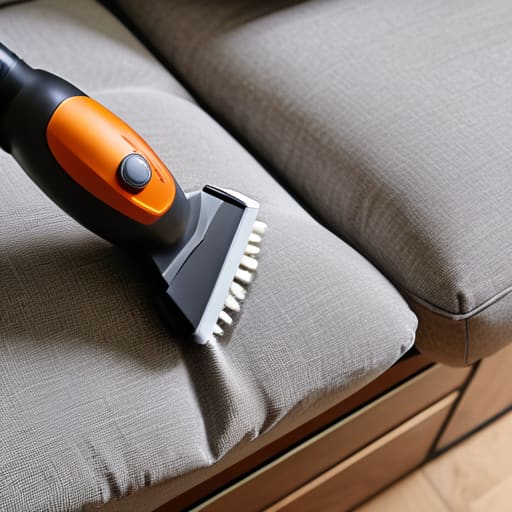

Most people think they need a fancy steam cleaner or a professional service to get the grit out of their upholstery, but they’re usually just throwing money away. I’ve spent eighteen years pulling motors out of machines that people tossed because they thought they were “dead,” and half the time, it was just a bit of debris choking the airflow. If you’re struggling with how to clean a sofa with a vacuum, the problem isn’t your sofa; it’s likely that you’re fighting against the machine rather than working with it. You don’t need a miracle, you just need to stop fighting the physics of suction and start understanding how the grit actually sits in those crevices.
I’m not going to give you any of that polished, lifestyle-magazine nonsense. Instead, I’m going to show you the practical, no-nonsense way to get the job done without burning out your vacuum motor or stripping the fabric. We’ll talk about the right attachments to use, how to handle those stubbornly deep crumbs, and why checking your filters is more important than the actual suction power. I’ve opened enough machines to know where the dirt hides, and I’m going to help you find it.
Guide Overview
Tools & Supplies
- Vacuum cleaner with attachments (essential for crevices)
- Upholstery tool/brush attachment (to lift fabric fibers)
- Microfiber cloth (1 unit for final dusting)
- Lint roller (1 unit for stubborn hair/fibers)
Step-by-Step Instructions
- 1. First things first, you need to clear the deck. Move the coffee table, the side lamps, and anything else sitting in the way. I’ve spent years pulling heavy appliances out from behind kitchen counters, and I can tell you that trying to work in a cramped space is a recipe for disaster. You need room to move so you don’t accidentally knock a drink onto the fabric while you’re wrestling with the hose.
- 2. Get your vacuum ready before you even touch the cushions. Check the bag or the canister—if it’s more than half full, empty it now. There is nothing more frustrating than a machine that sounds like it’s struggling because it’s already choking on dust. While you’re at it, check the brush roll for any tangled hair or threads; a clogged brush won’t pick up a thing, and you’ll just end up spinning your wheels.
- 3. Pull all the cushions off. Don’t just vacuum around them like you’re tidying up a showroom; you need to get into the actual crevices and cracks where the crumbs and pet hair settle. I’ve seen enough upholstery to know that the real grime lives in those deep gaps that you can’t see from a standing position.
- 4. Start with the heavy lifting using the main floor head, but switch to the upholstery attachment for the actual sofa. Use the wide nozzle for the flat surfaces and the smaller, narrow tool for the tight corners. If you have a motorized brush tool, use that on the fabric, but watch your pressure. You don’t want to beat the fabric so hard that you’re actually pushing the dirt deeper into the weave.
- 5. Work your way from the top down. Start with the backrest, then move to the seat cushions, and finish with the base. This way, any dust or debris you shake loose from the higher parts will just fall down onto the parts you haven’t cleaned yet. It’s a bit like working on a washing machine—you always start from the top to avoid making a mess of your hard work.
- 6. Don’t forget the “hidden” bits. Flip the cushions over and vacuum the underside, and if your sofa has a skirt or fabric covering the legs, get the nozzle right under there. Most people ignore the bottom six inches of their furniture, but that’s exactly where the accumulated grit likes to hide.
- 7. Once you think you’re done, do one final pass with a plain suction nozzle—no brushes—over the whole thing. This helps you feel for any lingering bits of grit or small pebbles that might have been missed. If the vacuum sounds clear and the fabric feels smoother, you’ve done the job properly.
Understanding How to Clean a Sofa With a Vacuum
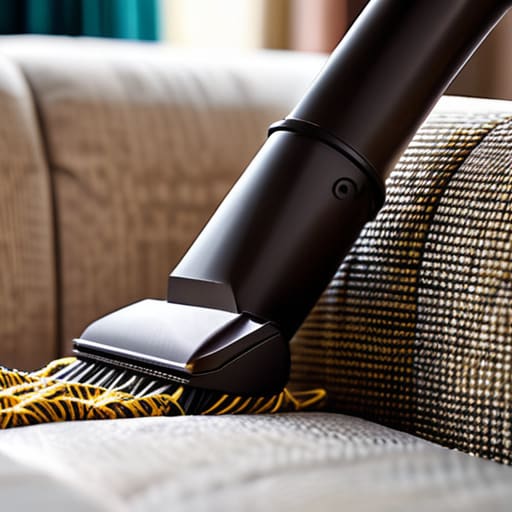
The thing most people don’t realise is that a sofa isn’t just a piece of furniture; it’s basically a giant, fabric-covered dust trap. After eighteen years of pulling hair and grit out of vacuum motors, I can tell you that if you aren’t thorough, you’re just moving the mess around. You can’t just glide the nozzle over the surface and call it a day. You have to understand the mechanics of the fabric. I always tell people to check their fabric care instructions first—some weaves are far more delicate than others, and using too much force can actually fray the threads.
It’s also about knowing which tool to grab. If you’re just using the standard floor head, you’re wasting your time. You need proper upholstery cleaning attachments, specifically the small, motorized brush heads if you’re serious about removing pet hair from a couch. That hair weaves itself into the fibers like it belongs there. If you don’t get the suction right, you’ll end up with a layer of fine silt sitting deep in the foam, which is exactly how you end up with a machine that smells musty a month later.
Key Things to Know
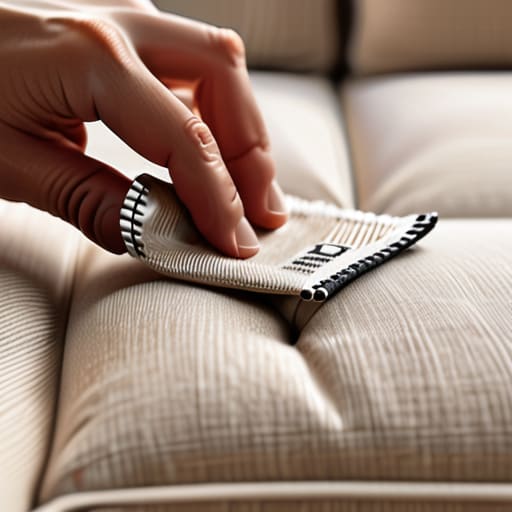
Before you get stuck in, you need to check the tag. I’ve seen plenty of people ruin a perfectly good piece of furniture because they didn’t bother to read the fabric care instructions first. If your sofa is silk or has some delicate synthetic blend, you can’t just go at it with high-intensity suction. You need to know if the material can handle the friction. It’s a bit like testing a motor; you don’t just crank it to max without knowing if the casing can take the heat.
Don’t just wander aimlessly with the nozzle, either. If you’re serious about removing pet hair from couch cushions, you’ll need more than just the standard floor head. You really ought to use specific upholstery cleaning attachments, especially the small, motorized brush tools. These are designed to agitate the fibres and lift the grit that’s buried deep down. If you skip the small stuff, you’re just moving the dust around rather than actually getting it out of the weave.
Five Bits of Advice Before You Get Stuck In
- Check your brush roll first. If you’re using a motorized head on a delicate fabric, you’ll end up fraying the weave and making a mess of things. I’ve seen enough upholstery ruined by someone being too aggressive with a stiff brush.
- Don’t forget to empty the bin halfway through. It sounds simple, but if that vacuum is struggling against a full bag or a packed canister, you aren’t actually getting the grit out of the deep crevices—you’re just moving it around.
- Get into the seams, but do it carefully. Most of the real nastiness—the crumbs, the hair, the bits of grit—hides in those little folds. Use the crevice tool, but don’t shove it in so hard that you snag a loose thread.
- Listen to the motor. If the pitch changes or it starts sounding strained, stop. You’ve likely sucked up something that shouldn’t be there, or the suction is blocked. It’s much easier to clear a clog now than to replace a burnt-out motor later.
- Test a small, hidden patch if you’re using any attachments that might agitate the fabric. I’ve spent far too many years fixing things that weren’t actually broken, just because someone used the wrong tool for the job.
The Bottom Line
Don’t just run the nozzle over the surface; you have to actually get into the crevices and under the cushions to find the grit that’s actually wearing down the fabric.
Check your vacuum’s filter before you start, because if it’s clogged, you’re just blowing dust back onto the sofa instead of pulling it out.
Treat the machine with a bit of respect—don’t force the attachments if they don’t fit, or you’ll end up with a broken clip and a sofa that’s still dirty.
Don't Toss the Fabric Just Yet
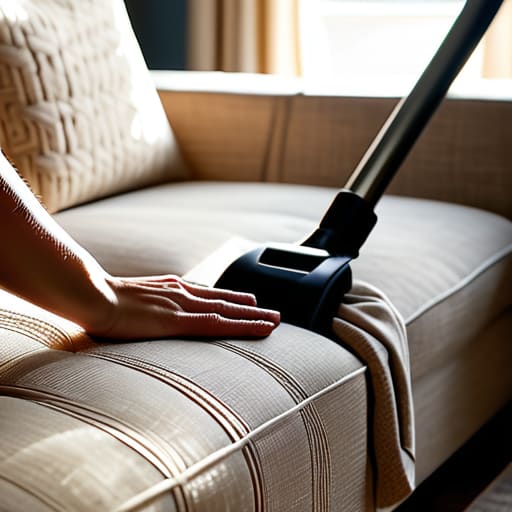
At the end of the day, it really comes down to the basics: getting the right attachments, working your way from the top down, and—most importantly—not neglecting the vacuum itself. If you’ve spent twenty minutes sucking grit out of the sofa crevices only to find your suction has dropped to nothing, you’ve likely just ignored a clogged filter or a tangled brush bar. I’ve seen far too many people assume their expensive upholstery is ruined when, in reality, they just needed to clear the airway and give the machine a bit of attention. If you take the time to do the job properly, moving slowly and checking your tools as you go, you’ll find that most “uncleanable” sofas are actually in quite good nick.
We live in a bit of a throwaway culture these days, where people see a bit of dust or a slight stain and think the whole piece of furniture is headed for the skip. But I’ve spent eighteen years pulling apart motors and unblocking hoses, and I can tell you that maintenance beats replacement every single time. Taking an extra ten minutes to vacuum thoroughly isn’t just about making the living room look tidy; it’s about respecting the things you own and making them last. Don’t be so quick to give up on your furniture; usually, it just needs a proper bit of care and a machine that’s actually working the way it was designed to.
Frequently Asked Questions
My vacuum's suction feels weak after I've finished the sofa; did I pull something loose or is it just full of dust?
It’s almost certainly just full of dust. When you’re vacuuming upholstery, you’re pulling up much heavier grit and hair than you do from a hard floor. That fine dust settles deep in the bin or the bag, choking the airflow. Before you go worrying about a loose belt or a disconnected hose, check your filters. I’ve seen plenty of “broken” machines that just needed a quick rinse and a bit of breathing room.
Is it safe to use the high-power brush bar on a delicate fabric, or am I going to fray the threads?
Don’t go charging in with the brush bar on anything delicate. I’ve seen too many people ruin a perfectly good velvet or silk cushion because they thought more power meant more clean. If you can feel the bristles tugging or pulling at the weave, stop immediately. Use the suction nozzle instead. You want to lift the grit, not sand the fabric down to nothing. Treat the threads with a bit of respect.
How often should I actually be cleaning the vacuum filters if I'm using it specifically for heavy upholstery cleaning?
If you’re constantly pulling grit and hair out of sofa cushions, don’t wait for the machine to start sounding wheezy. I’ve seen too many motors burn out simply because a filter was choked with dust. If you’re doing heavy upholstery work, check that filter every couple of weeks. Give it a good shake or a wash—just make sure it’s bone dry before it goes back in. A clogged filter is just a slow way to kill a vacuum.
