









I’ve lost count of how many times I’ve pulled a perfectly good washing machine out of a customer’s house in Bristol, only to find the motor is fine and the pump is just choked with a stray sock and a mountain of lint. People see a “fault” and think they need a brand-new appliance or a fancy, twelve-step lifestyle guide, but that’s nonsense. Most of the time, you don’t need a miracle; you just need cleaning routines that actually get done without turning your Saturday into a full-time job. I’m sick to death of seeing expensive machines end up in the scrap heap just because someone didn’t know where the filter was hidden.
I’m not here to sell you on some aesthetic, Pinterest-perfect way of living that requires a team of assistants. I’ve spent eighteen years elbow-deep in sludge and debris, and I know exactly what keeps a household running smoothly. I’m going to give you the straight-talking truth about maintenance—the kind of practical, bite-sized habits that prevent breakdowns before they happen. We’re going to focus on the small, gritty details that actually matter, so you can spend less time fixing things and more time actually using them.
Understanding Cleaning Routines That Actually Get Done
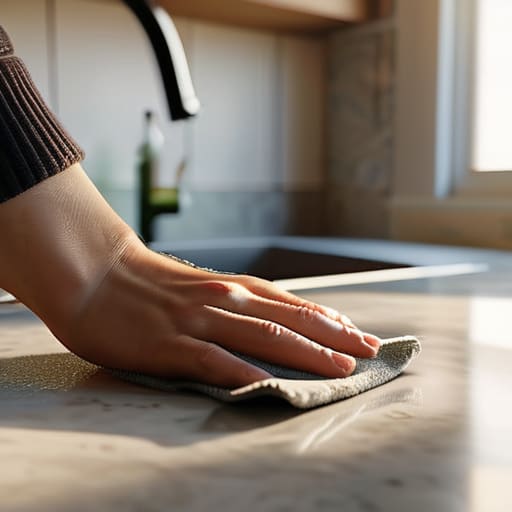
The problem with most advice is that it assumes you have nothing better to do than scrub baseboards with a toothbrush. I’ve seen too many perfectly good appliances end up in a skip because someone felt overwhelmed by a massive “deep clean” and just gave up entirely. If you try to tackle everything at once, you’ll burn out before you’ve even reached the kitchen. Real success comes from micro-cleaning tasks for productivity—the kind of little things that take two minutes but stop a problem from becoming a disaster.
Instead of looking for a massive overhaul, think about a preventative home maintenance schedule that actually fits into a Tuesday afternoon. It’s about noticing the little things before they turn into expensive repair bills. For me, it’s about the filters. If you spend thirty seconds clearing the lint or rinsing a mesh screen once a week, you aren’t just cleaning; you’re making sure your machine doesn’t have to work twice as hard to do half the job. It isn’t about being perfect; it’s just about being consistent enough to keep things running.
Key Things to Know
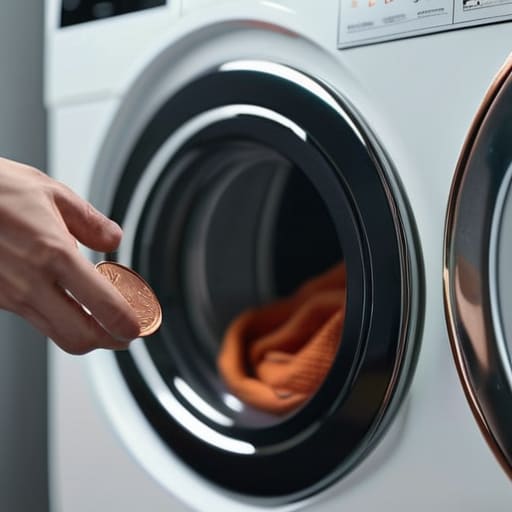
First off, you need to stop looking at your housework like it’s some grand, all-day event. I see it every week: people calling me out because their washing machine won’t drain, only for me to pull a literal mountain of lint and a lost coin out of the filter. Most of the time, the machine isn’t “broken”—it’s just neglected. If you want to avoid the headache of a sudden breakdown, you need a preventative home maintenance schedule that focuses on the bits people usually ignore, like those pesky filters and hoses.
Don’t try to overhaul your entire life in one Saturday. That’s how you end up burnt out and staring at a pile of dirty dishes. Instead, I’m a big believer in micro-cleaning tasks for productivity. It’s about the small, five-minute wins—clearing the lint trap or wiping down the seals after a wash. If you keep the grime from building up in the first place, you aren’t just saving your sanity; you’re actually extending the life of the expensive kit you’ve paid good money for.
Practical Tips and Steps
First off, stop trying to do a “big clean” every Saturday. That’s how you end up exhausted and still feeling like the house is a mess. Instead, I’m a big believer in micro-cleaning tasks for productivity. If you’ve got five minutes while the kettle is boiling, wipe down the counter or clear one shelf. It’s much easier to manage a small pile of crumbs than a week’s worth of grime that’s turned into something permanent.
I also suggest setting up a basic preventative home maintenance schedule that focuses on the things that actually break. For me, that means checking the lint trap in the dryer or clearing the sludge out of the washing machine filter once a month. It takes ten minutes, but it saves you from calling me out for a “broken” machine that just needed a bit of rinsing. Don’t wait for the smell to hit you before you act. If you treat your appliances with a bit of respect, they’ll keep running long after the neighbors have thrown theirs in the skip.
Common Mistakes to Avoid
The biggest mistake I see—and I’ve seen it in thousands of living rooms from Clifton to Bedminster—is the “all or nothing” mentality. People think they need to spend an entire Saturday scrubbing every tile and polishing every knob, so they don’t do anything at all until the house is a disaster. This leads to burnout and, eventually, a machine that’s being pushed way too hard. Instead of aiming for perfection, you should focus on micro-cleaning tasks for productivity. If you spend five minutes clearing the lint from the dryer filter or wiping a spill before it sets, you aren’t just cleaning; you’re actually performing a bit of preventative home maintenance that saves you a service call later.
Another blunder is buying a cupboard full of expensive, specialized chemicals for every single surface. Most of those fancy sprays are just scented water that does nothing for the actual grit. People get so caught up in the “gear” that they neglect the basics. If you’re looking for sustainable cleaning habits for busy people, stop looking for the magic bottle and start looking at the dirt. If you ignore the simple stuff—like a blocked hose or a clogged vacuum filter—no amount of expensive lavender-scented spray is going to fix the underlying problem.
Final Thoughts
Look, I’m not here to sell you some high-pressure lifestyle brand or a complicated system that requires a degree to manage. I’ve seen enough “broken” machines to know that the real problem isn’t the hardware; it’s the neglect. If you start treating your home like a collection of tools that need a bit of grease and a quick wipe, you’ll find that things just work. You don’t need a massive overhaul; you just need a preventative home maintenance schedule that fits into the gaps of your actual life.
Don’t aim for perfection, because perfection is what leads to burnout and half-finished jobs. Instead, focus on those tiny, manageable wins. I’ve always found that leaning into micro-cleaning tasks for productivity keeps the chaos at bay without making you feel like you’re working a second shift. At the end of the day, a machine that’s clean and a house that’s tidy isn’t about looking good for the neighbors—it’s about making sure your gear lasts longer and your head stays a bit clearer. Keep it simple, keep it practical, and for heaven’s sake, clean your filters.
Five ways to stop making things harder than they need to be
- Don’t wait for the machine to scream at you. If you wait until the washing machine is making a sound like a gravel pit to clean the filter, you’ve already waited too long. A quick check once a month saves you a frantic call to a technician.
- Keep your cleaning kit where you actually use it. I’ve seen so many people struggle because their descaler is tucked away in a cupboard under the stairs. If the stuff you need is right there by the appliance, you’re actually more likely to use it.
- Stop trying to do everything in one go. You can’t deep-clean a whole kitchen in an afternoon without burning out. Pick one machine, one task, and one area. If you try to tackle the whole house, you’ll end up with three half-finished jobs and a lot of frustration.
- Listen to your appliances. They tell you when they’re struggling long before they actually die. A slight rattle, a bit of extra vibration, or a smell that isn’t quite right—those are your cues to do a bit of maintenance before a five-pound part turns into a three-hundred-pound replacement.
- Use the right tools for the job, not just the easiest ones. Using a toothbrush to get into those little crevices around a dishwasher seal is much more effective than trying to wipe it down with a massive, sodden rag. It takes ten seconds longer, but it actually works.
The Bottom Line
Don’t wait for a loud bang or a puddle on the floor; most “breakdowns” are just a bit of grit in a filter that could’ve been cleared in five minutes.
A routine only works if it’s realistic, so stop trying to deep-clean everything at once and just focus on the parts that actually keep the machine running.
Treat your appliances like they’re worth something—because they are—and a little bit of regular maintenance will save you a lot of money and a lot of grief.
One Last Look Before You Close the Lid
At the end of the day, a cleaning routine shouldn’t feel like you’re fighting a losing battle against your own home. We’ve talked about keeping things simple, avoiding those massive, overwhelming checklists, and—most importantly—actually tending to the small stuff before it turns into a disaster. If you can manage to check a filter once a month or clear a lint trap without making a production out of it, you’re already ahead of ninety percent of the people I visit in Bristol. It isn’t about achieving some impossible standard of perfection; it’s about preventing the small, avoidable failures that end up costing you a fortune in repair bills or a brand-new appliance.
I’ve spent eighteen years pulling coin, hair ties, and bits of stray sock out of machines that people thought were “dead.” Most of the time, they weren’t broken at all—they were just neglected. Don’t let your household tools become part of the landfill just because you didn’t have a plan. If you treat your machines with a bit of respect and stay consistent with the basics, they’ll take care of you for years to come. Now, go grab a screwdriver, check that filter, and give yourself a bit of credit for actually getting things done.
Frequently Asked Questions
If I'm already doing a bit of cleaning every week, how do I know if I'm actually maintaining my appliances or just moving the dirt around?
Look, if you’re just wiping down the outside of the machine, you’re just polishing the coffin. Real maintenance means getting under the hood—or at least behind the little door at the bottom. If you aren’t pulling out the filters, checking the rubber seals for gunk, or clearing the lint from the dryer trap, you aren’t maintaining anything; you’re just making the grime look tidy. If the parts aren’t being cleaned, the machine isn’t being cared for.
How much of my routine should be focused on the actual machines versus just the surfaces around them?
If you ask me, people spend far too much time polishing the countertop and not nearly enough time looking at the machine itself. A shiny kitchen won’t fix a washing machine that smells like a swamp because the seal is mouldy. I’d say aim for a 70/30 split. Focus the bulk of your energy on the guts—the filters, the hoses, and the seals. If the machine is healthy, the surfaces stay cleaner anyway.
Is it worth setting aside a specific day for deep cleaning, or is it better to just tackle one small thing whenever I see it?
Look, I’ve seen enough machines gutted by neglect to know that “one small thing” is a dangerous game if you’re just procrastinating. If you see a bit of lint and ignore it, it’ll be a burnt-out motor by Tuesday. I say do both: tackle the obvious bits—like clearing a filter—the moment they look dodgy, but set aside one proper day a month to actually get stuck in. Consistency beats a sudden panic every time.
