







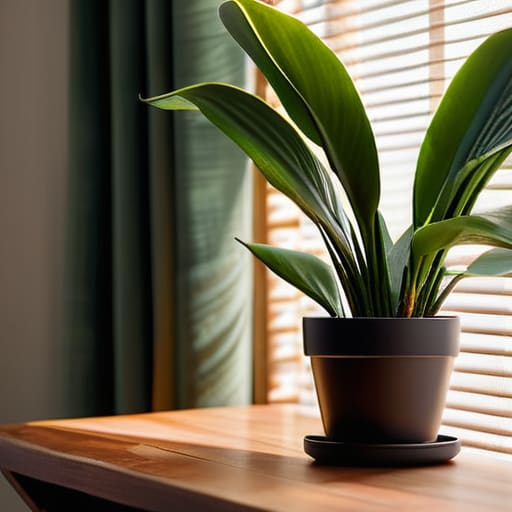

I’ve spent eighteen years pulling lint out of dryer filters and clearing hair from washing machine pumps, so I’ve learned one thing for certain: most things don’t actually break, they just lack the right environment to keep running. People treat their houseplants the same way they treat a clogged vacuum—they see a bit of wilting and assume the whole thing is beyond repair. But if you’re living in one of those gloomy Bristol flats where the sun seems to give up by midday, you don’t need a miracle; you just need the right hardware. Finding plants that survive a dark flat isn’t about luck, it’s about matching the biology to the actual conditions of the room.
In this list, I’m skipping the fussy, high-maintenance nonsense that requires a professional technician just to stay upright. Instead, I’ve picked out five hardy survivors that can handle the low light without throwing a tantrum. I’ll show you exactly which species are built to last, so you can stop throwing money away on greenery that was never meant for your living room in the first place.
The Unkillable Snake Plant
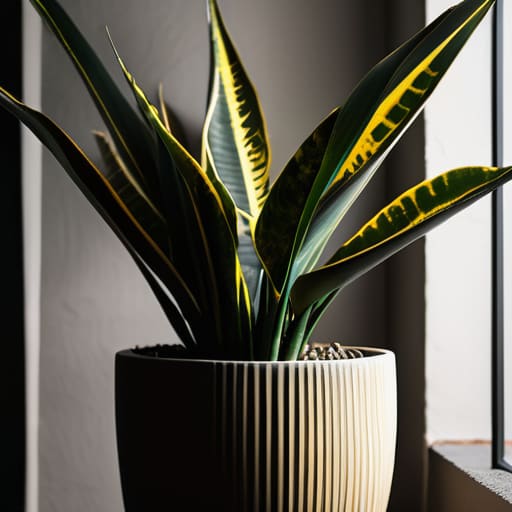
If you’re looking for something that treats neglect like a professional courtesy, this is it. I’ve spent years pulling clogged filters out of machines that people thought were dead, and honestly, the Snake Plant reminds me of those stubborn motors that just refuse to give up. It doesn’t need a sunbath every morning; it’s perfectly happy sitting in a dim corner of a hallway where nothing much happens.
The Low-Maintenance ZZ
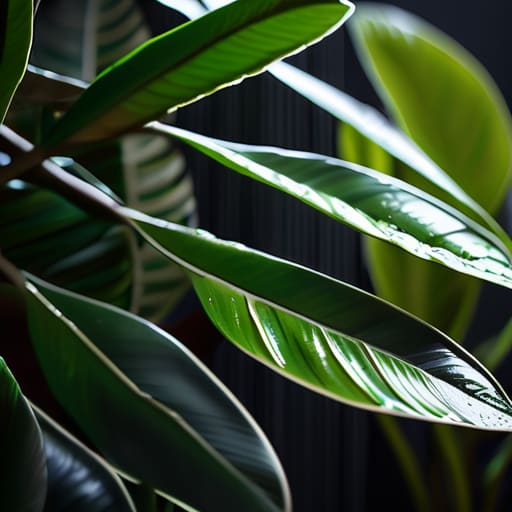
The ZZ plant is the heavy-duty workhorse of the plant world. It has these thick, waxy leaves that look like they’ve been polished, and they’re designed to store moisture like a well-sealed gasket. You could probably forget it existed for a month, and it wouldn’t even throw a fault code at you. It thrives in that low-level light that makes most other things wilt and complain.
The Resilient Pothos
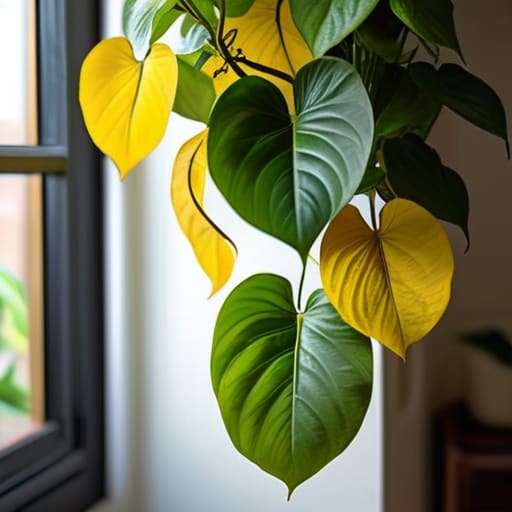
I call the Pothos the “patch cable” of greenery because it just seems to connect itself to whatever space it’s in. It’s a trailing plant, so you can let it hang off a shelf or drape it across a cupboard. It’s incredibly forgiving; even if the light in your flat is a bit substandard, it’ll keep pushing out new leaves just to show you it’s still in the game.
The Steady Peace Lily
Now, the Peace Lily is a bit more dramatic than the others, but I don’t mind a bit of character. When it needs water, it actually tells you by drooping its leaves, which is a lot more helpful than a machine that just dies without warning. It’s quite good at handling the shaded spots in a room, provided you don’t leave it in a drafty corner.
The Tough Aspidistra
They call this the “Cast Iron Plant” for a reason, and as someone who spends my weekends restoring old pans, I can tell you that name isn’t an exaggeration. It’s built like a tank. It can handle the low light, the dust, and the general lack of attention that comes with living in a dark flat. It’s the kind of plant that just keeps running regardless of the conditions.
The Bottom Line
Don’t go out and buy a high-maintenance plant just because it looks nice; if it needs constant fussing to stay alive, it won’t last in a dim corner.
Most “dead” plants are actually just neglected ones, so pick something sturdy that can handle a bit of darkness without needing a specialist.
Treat your greenery like a reliable old washing machine—if you pick the right model for the environment, it’ll keep running for years with almost no effort.
Getting It Right
At the end of the day, keeping things alive in a dim corner isn’t about magic; it’s about choosing the right kit for the job. Whether you’ve gone for a sturdy Snake Plant or one of those resilient Pothos varieties, the principle is the same as fixing a washing machine: you don’t try to force a part to do something it wasn’t built for. You pick the right species, you don’t over-water them into a soggy mess, and you let them settle into their environment. If you match the plant to the light you actually have, rather than the light you wish you had, you’ve already done the hard part of the repair.
I’ve spent eighteen years pulling apart motors and clearing out clogged hoses, and I’ve learned that most things aren’t actually broken beyond repair—they just need a bit of patience and the right approach. Plants are no different. They might look a bit sad if you neglect them, but they are remarkably good at finding a way to thrive if you just stop fussing and let them work. Don’t be afraid to start small. Even in a dark, cramped flat, you can build something that lasts, provided you treat it with a bit of common sense and a steady hand.
Frequently Asked Questions
If I've got a plant that's looking a bit limp or yellow, is it actually dying or does it just need a bit of a clean?
Look, it’s rarely a death sentence. Most people see a yellow leaf and think the whole thing is scrap, but it’s usually just a blockage. If dust settles thick on those leaves, the plant can’t breathe or soak up what little light you’ve got. It’s like a clogged vacuum filter—it just can’t pull in what it needs. Give the leaves a gentle wipe with a damp cloth. If it perks up, you’ve saved it.
Do I really need to go out and buy those little grow lights, or can I get by with just a decent lamp?
Look, I’ve spent eighteen years looking at why things stop working, and it’s usually because people try to force a machine to do something it wasn’t built for. A standard desk lamp isn’t going to cut it; it just doesn’t have the right “output” for photosynthesis. If you’re serious about keeping these things alive, get the grow lights. It’s much cheaper than replacing a dead plant every month.
How often am I actually supposed to be watering these things if they aren't getting much sun?
Look, it’s the same principle as a washing machine: if you keep pouring water in without a way for it to evaporate, you’re just going to end up with a mess and a smell. Without sun to drive the process, that water just sits there. Stick your finger an inch into the soil first. If it’s still damp, leave it alone. Better to underwater a bit than to drown them.
