









Don’t listen to those interior design magazines telling you that you need a bespoke mahogany console table and a set of decorative wicker baskets to fix your mess. It’s nonsense. Most people think they need a complete renovation to figure out how to keep a hallway tidy, but they’re really just trying to mask a mechanical failure in how they move through their own homes. I’ve spent eighteen years pulling clogged lint and grit out of washing machine filters, and I can tell you right now: a hallway is exactly the same. If you don’t have a clear path for the “debris” to go, it’s just going to jam up the works.
I’m not here to sell you on expensive organizers that’ll just end up buried under a pile of mail in three weeks. I’m going to give you the same straight-talking approach I use when I’m stripping down a vacuum cleaner: identify the blockage and clear it. I’ll show you how to set up a system that actually works with your habits rather than against them, using nothing more than common sense and a bit of practical discipline.
The Hallway a High Traffic Component That Needs Regular Maintenance
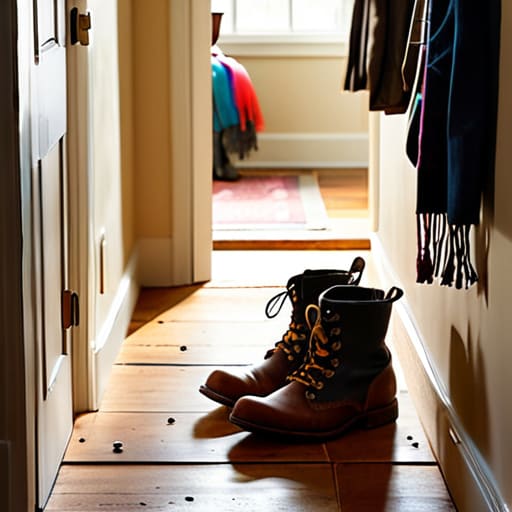
Think of your hallway like a washing machine drum. If you keep shoving things in there without checking the seals, eventually, the whole mechanism jams. It’s a high-traffic zone, meaning it takes a beating every single day. People kick off boots, drop keys, and shed coats without a second thought. If you don’t treat it like a component that needs regular upkeep, it’ll stop functioning as a passage and start acting like a storage cupboard for everything you’re too lazy to put away.
To prevent a total breakdown, you need some decent small hallway storage solutions that actually work. I’m not talking about fancy decorative baskets that just collect dust; I mean practical gear. Installing a few sturdy wall mounted coat hooks can stop that mountain of jackets from sliding onto the floor. You also need to get serious about organizing shoe racks so your footwear isn’t tripping you up like a loose belt in a vacuum cleaner. If it doesn’t have a specific spot to live, it’s just debris waiting to clog up your life.
Precision Engineering for Small Hallway Storage Solutions

When I’m looking at a busted washing machine, I’m not looking for a total overhaul; I’m looking for where the blockage is. Your hallway works the same way. If you’ve got a narrow space, you can’t just shove a massive sideboard in there and hope for the best. You need to think about small hallway storage solutions that utilize the vertical space rather than eating up the floor. I’ve spent years looking at how parts fit together, and I can tell you, if you don’t use your walls, you’re wasting prime real estate.
Instead of a bulky unit, I’d suggest installing some sturdy wall mounted coat hooks and a slimline shoe rack. It’s about precision. If you try to cram everything into one corner, you’ll just create a new bottleneck. Think of it like a well-maintained vacuum motor: everything needs its own dedicated channel to move through. Proper organizing shoe racks prevents that pile-up at the door that eventually trips everyone up. Keep the components streamlined, and the whole system runs smoother.
Mastering How to Keep a Hallway Tidy Through Systemic Order

You can’t just throw things at a wall and hope they stay put; that’s how you end up with a pile of chaos instead of a functional space. If you want a hallway that actually works, you have to treat it like a machine. Every item needs a dedicated slot, a specific home, and a reason to be there. I’ve spent eighteen years pulling lint and grit out of filters, and the lesson is always the same: if there’s no place for the debris to go, it’s going to clog up the whole system. Applying some basic entryway organization tips means deciding once and for all where the keys, the mail, and the spare change live.
Stop treating your floor like a catch-all for whatever didn’t make it into the living room. If you aren’t organizing shoe racks or using vertical space, you’re just inviting a blockage. I’m a big believer in wall mounted coat hooks because they get the heavy stuff off the ground and out of the way of your feet. If it doesn’t have a hook or a shelf, it shouldn’t be in the hallway. Keep the flow clear, or you’ll be fighting your own house every time you walk through the door.
Optimizing Vertical Space With Wall Mounted Coat Hooks
If you look at a washing machine, the most important parts are often the ones tucked away out of sight, and your hallway works the same way. Most people make the mistake of letting coats pile up on a chair or a single, overloaded peg, which is just asking for a mechanical failure in your daily routine. Using wall mounted coat hooks is about reclaiming your floor space by moving the load upward. Think of it like clearing a blocked drainage pipe; once you get the obstruction off the floor, everything starts to flow again.
Don’t just throw up a single cheap plastic hook and call it a day. If you want real entryway organization tips that actually last, you need to install hooks at varying heights. Put some high up for the things you don’t use every day, and keep the others at waist level for your daily jacket. It’s a simple bit of engineering, but it prevents that dreaded heap of fabric from forming. When you treat your walls as functional storage rather than just decoration, you’re essentially preventing a system clog before it even starts.
Refining Entryway Organization Tips to Prevent Mechanical Failure
In my line of work, I see the same thing happen with a washing machine as I see in a messy hallway: a small blockage leads to a total system shutdown. If you treat your entryway like a dumping ground rather than a transition zone, you’re essentially inviting a mechanical failure in your daily routine. When you’re scrambling for keys or tripping over a pile of boots, that’s your “system” seizing up. Effective entryway organization tips aren’t about making things look pretty for a magazine; they are about ensuring the flow of your home doesn’t get jammed by unnecessary friction.
I’ve learned that the best way to prevent this is to treat your storage like a well-oiled machine. Instead of just shoving things into a corner, try organizing shoe racks so that every pair has a specific slot. If a shoe doesn’t have a home, it’s just debris waiting to cause a trip hazard. When you focus on decluttering entryway decor and keeping only what’s functional, you reduce the “noise” in the system. Keep the components lean, keep them accessible, and you’ll find the whole house runs a lot smoother.
Five Maintenance Checks to Prevent Hallway Breakdown
- Establish a “one-in, one-out” rule for shoes; if you buy a new pair of trainers, an old, worn-out pair needs to be binned or donated immediately to prevent a pile-up.
- Set up a designated “landing strip” for the small stuff—keys, loose change, and mail—so they don’t migrate across the floor like debris in a vacuum intake.
- Check your floor clearance once a week; if you’re stepping over things to get to the kitchen, your system has already failed and needs recalibration.
- Use a basket for the “unclassifiables”—those bits of junk that don’t have a home yet—but make sure you empty that basket every Sunday so it doesn’t become a permanent fixture.
- Treat your coat rack like a load-bearing structure; if you hang more than the hooks can actually support, you’re just asking for a structural collapse of clutter.
The Maintenance Summary
Treat your hallway like a machine; if you don’t clear the debris daily, the whole system eventually jams up.
Don’t let clutter build up in the corners—if a piece of junk doesn’t have a designated “home,” it’s just a part waiting to cause a breakdown.
Use your vertical space to keep the floor clear, because a cluttered floor is just a recipe for tripping and broken things.
Keeping the System Running
At the end of the day, keeping a hallway tidy isn’t about some grand architectural redesign; it’s about preventative maintenance. Just like a washing machine that starts rattling because you’ve let lint build up in the pump, a hallway falls apart when you ignore the small things. You’ve looked at the vertical space, you’ve sorted your storage, and you’ve built a system that actually works for your daily flow. If you keep those hooks clear and ensure every item has its own designated slot, you stop the clutter from building up into a total mechanical failure of your home’s entryway.
Don’t get discouraged if things slip back into chaos for a day or two. Even the best-engineered machines need a bit of a service every now and then. The goal isn’t perfection—it’s just making sure the parts keep moving without getting jammed up. Treat your hallway like a piece of equipment that deserves a little bit of respect, and it’ll stop being a source of stress. Once you get the rhythm of the routine down, you’ll find that a tidy entrance makes the rest of your house feel a lot more functional, too. Just keep those filters clean and the paths clear.
Frequently Asked Questions
How often should I actually be clearing out the "junk drawer" or basket if I'm trying to keep the system running?
Treat that junk drawer like a washing machine filter. If you ignore it, it’ll eventually clog the whole system. I’d say once a month is the sweet spot. Don’t wait until you can’t find your keys to start digging through a mountain of old batteries and receipts. A quick, five-minute purge every few weeks keeps the friction low. If you let it build up, you aren’t managing a system; you’re just storing debris.
Is there a way to keep the hallway tidy without spending a fortune on fancy storage bins and organizers?
Look, you don’t need a boutique catalog to fix this. I’ve spent eighteen years seeing people toss perfectly good machines because they didn’t understand how they worked; it’s the same with your hallway. Stop looking for “systems” and start looking at what you already own. Old shoeboxes, sturdy crates, or even a simple basket from the garage work just fine. If it holds the item and keeps it off the floor, it’s doing its job.
What do I do when the clutter starts piling up faster than my new organization system can handle?
When the clutter builds up faster than the system, you’ve got a blockage in your workflow. You can’t just keep shoving things into the machine; eventually, the motor burns out. Stop adding new parts until you’ve cleared the old ones. Sit down, grab a bin bag, and do a hard reset. If a piece of junk hasn’t been used in six months, it’s just dead weight. Clear the line first, then rebuild.
