







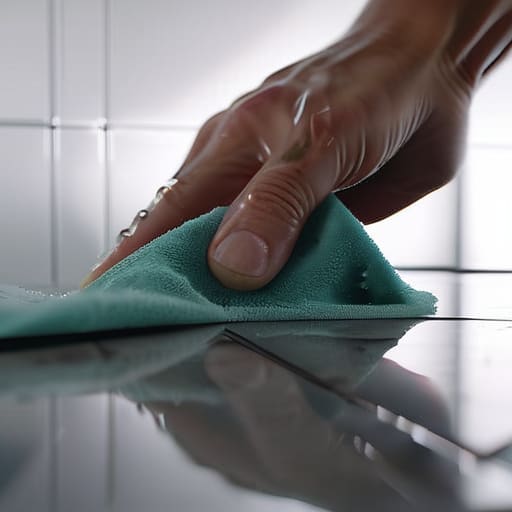

I’ve spent eighteen years pulling apart washing machines and vacuums across Bristol, and if there’s one thing I’ve learned, it’s that people are far too quick to declare something “broken” when it’s really just neglected. I once had a customer call me out because they thought their oven door was permanently ruined by grease, but after a bit of elbow grease, it was like new. Most folks think you need some expensive, caustic chemical cocktail to figure out how to clean a glass oven door, but that’s a load of rubbish. In my experience, those harsh sprays often do more harm than good by eating away at the seals or leaving a film that just attracts more grime.
I’m not here to sell you on some fancy gadget or a miracle spray that costs twenty quid. I want to show you how to get that glass clear again using stuff you likely already have in your kitchen cupboard. I’ll walk you through the right way to tackle the burnt-on bits without scouring the surface so hard that you leave permanent scratches. We’re going to do this properly, simply, and without the unnecessary drama.
Guide Overview
Tools & Supplies
- Microfiber cloth for wiping and drying
- Plastic scraper or razor blade for stubborn burnt residue
- Soft sponge for scrubbing
- Baking soda 1/2 cup
- White vinegar 1/2 cup in a spray bottle
- Warm water as needed
Step-by-Step Instructions
- 1. First thing’s first, you need to clear the deck. Get everything out of the oven—trays, racks, the lot. If you leave a roasting tin in there while you’re scrubbing, you’re just going to end up with a mess of grease and cleaning chemicals mixed together, and that’s a headache nobody needs.
- 2. Before you touch any liquids, take a dry paper towel and wipe away as much of the loose, burnt-on grit as you can. I’ve seen people jump straight in with a wet sponge, but that just turns the soot into a thick, black sludge that’s ten times harder to move once it gets wet.
- 3. Now, for the actual cleaning paste. You don’t need those expensive, caustic sprays that smell like a chemistry lab; a simple mix of baking soda and a bit of water does the job fine. Spread it thick over the glass, especially where the grease has baked on, and then leave it alone. You want to give it at least half an hour—an hour if you’re not in a rush—to actually break down the carbon.
- 4. Once the paste has done its work, take a damp cloth and start wiping it away. Be careful here; don’t go scrubbing like you’re trying to polish a car bonnet. If you use anything too abrasive, like a steel wool pad, you’ll scuff the surface of the glass, and once that happens, it’ll never look quite right again.
- 5. If you’ve still got those stubborn, crusty spots that refuse to budge, don’t reach for the heavy chemicals. Instead, take a plastic scraper or even an old credit card and gently nudge the debris off. It’s much safer for the glass than using a metal blade that might slip and gouge the pane.
- 6. For the final pass, use a clean cloth with a little bit of white vinegar. This helps neutralize any leftover baking soda and, more importantly, it gets rid of those annoying streaks that make the glass look cloudy. You want it crystal clear so you can actually see your dinner cooking.
- 7. Finally, take a dry, lint-free tea towel and give the whole thing one last buff. I always say, if you can’t see your own reflection in the glass, you haven’t finished the job yet. Once it’s dry and clear, you’re good to go.
Understanding How to Clean a Glass Oven Door
The thing most people don’t realise is that the grime isn’t just sitting on the surface; it’s baked into the microscopic pores of the glass. If you just slap a wet cloth against it, you’re essentially just moving the grease around. When I’m looking at a particularly nasty job, I usually lean toward the baking soda and vinegar cleaning method. It’s not fancy, but it works because the chemical reaction helps lift that stubborn, carbonised layer without you having to go at it like a madwoman.
You also need to be careful about what you use to scrape. I’ve seen far too many people ruin a perfectly good appliance by using steel wool or harsh scouring pads. If you’re cleaning oven door glass without scratches, you might need to use a fresh razor blade, but you have to hold it at a shallow angle. If you go too steep, you’ll gouge the glass, and once that happens, there’s no fixing it. It’s a shame, really, because most of the time, the door is perfectly fine—it’s just hiding under a layer of old spills.
Key Things to Know
First things first: don’t go grabbing a metal scouring pad just because you’re frustrated with a stubborn patch of carbon. I’ve seen too many people turn a simple job into an expensive replacement because they weren’t careful about cleaning oven door glass without scratches. Once you’ve etched that glass with something too abrasive, it’s never quite the same again. If you’re dealing with something truly stubborn, the best approach is patience. I usually swear by a baking soda and vinegar cleaning method; it’s cheap, it’s safe, and it lets the chemistry do the heavy lifting so you don’t have to go in with brute force.
Another thing people often forget is that the grime isn’t always on the surface you can see. If your door looks cloudy even after a good scrub, you might need to figure out how to clean between oven door panes. Most modern doors are double-glazed for heat retention, and if a bit of grease has seeped into that gap, a surface wipe won’t touch it. You’ll likely need to unscrew the hinges to get inside. It’s a bit of a faff, but it’s better than staring at a foggy window every time you want to check your roast.
A Few Things I’ve Learned from Too Many Open Doors
- Don’t go chasing the heavy-duty chemical sprays if you can help it. I’ve seen enough people spray those caustic liquids right into the door frame, only to watch the sealant perish and the door start leaking heat. It’s a waste of money and a headache for the repair man.
- If you’ve got baked-on grease that looks like it’s part of the glass, grab a paste of baking soda and water. Let it sit. Patience is the one thing most people lack when they’re trying to fix something, but letting that paste do the hard work saves you from having to scrub until your wrists ache.
- Watch your tools. If you’re tempted to use a steel wool pad or a metal scraper because you’re in a hurry, just stop. You’ll leave micro-scratches in the glass that’ll catch grease even faster next time, making the whole job twice as hard in a month’s time.
- Check the seals while you’re at it. Since you’ve already got the door open and the glass clean, give the rubber gasket a quick look. If it’s cracked or brittle, no amount of cleaning is going to stop that oven from wasting electricity.
- Always finish with a dry, soft cloth. If you leave any moisture or cleaning residue behind, it’ll just bake onto the glass the next time you turn the heat up, and you’ll be right back where you started.
The Short Version
Don’t go looking for heavy-duty chemical sprays first; most of the time, a bit of elbow grease and some baking soda will do more than a pricey bottle of caustic cleaner ever could.
Watch your hands and your seals—if you use something too abrasive, you aren’t just cleaning the glass, you’re risking the integrity of the door’s fit.
It’s usually a maintenance job, not a repair job; if you catch the grease before it bakes on for a year, you won’t end up needing to replace the whole unit.
A Bit of Common Sense Goes a Long Way
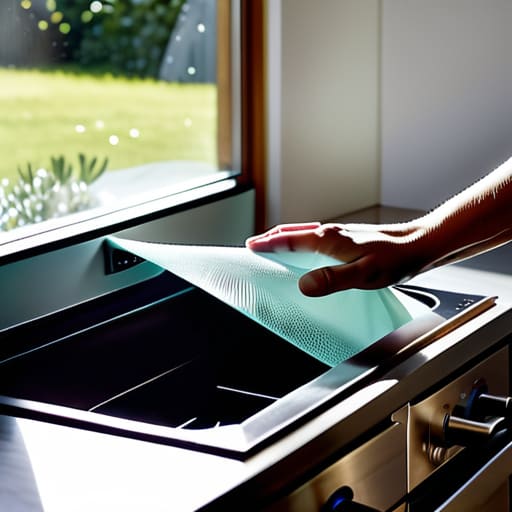
At the end of the day, cleaning an oven door isn’t about finding some miracle chemical that costs twenty quid a bottle. It’s about being patient and knowing that gentle friction beats harsh abrasives every single time. You’ve got to remember to stay away from those metal scouring pads if you want to keep that glass from getting permanently etched, and always, always make sure you’ve cleared away any leftover grit before you start wiping. If you follow these steps, you aren’t just making the kitchen look a bit tidier; you’re ensuring that the integrity of the seal stays intact so your oven actually does its job when you’re roasting a Sunday lunch.
I’ve spent eighteen years pulling apart machines that people thought were dead, only to find they just needed a bit of care and a bit of time. An oven door is no different. It’s easy to look at a layer of baked-on grease and think it’s a lost cause, but most things in your kitchen are designed to last if you treat them with a bit of respect. Don’t be so quick to throw things away or replace them just because they look a bit grim. A little bit of elbow grease and a sensible approach can make something old look brand new again, and there’s a real satisfaction in that.
Frequently Asked Questions
Can I use those heavy-duty oven cleaners from the supermarket, or will they eat right through the sealant?
Don’t go grabbing those heavy-duty sprays from the supermarket. I’ve seen enough people try that, only to end up with a door that won’t stay shut because the chemicals have eaten right through the rubber seals. It’s a waste of money and a headache for me to fix later. Stick to something gentler. If you want it clean, use a bit of baking soda and some elbow grease. It’s safer for the machine.
What do I do if the grime is baked on so hard that even a good soak won't shift it?
If you’ve soaked it and that brown sludge is still staring back at you, don’t go grabbing a metal scraper. You’ll scratch the glass and then you’re looking at a costly replacement. Instead, make a thick paste of bicarbonate of soda and just a tiny bit of water. Slather it on, leave it overnight, and then use a damp cloth to work it in. It’s about patience, not force.
Is it safe to take the whole door off the hinges to clean the inside of the glass, or am I more likely to break something?
Look, I’ve seen plenty of doors end up in the scrap heap because someone went a bit too ambitious. You can take the door off, but most modern hinges are fiddly and designed to snap if you force them. If you aren’t comfortable with a screwdriver and a steady hand, don’t risk it. Honestly, it’s usually easier to just get a long-handled brush in there. Don’t break a perfectly good door just to reach a bit of grease.
