







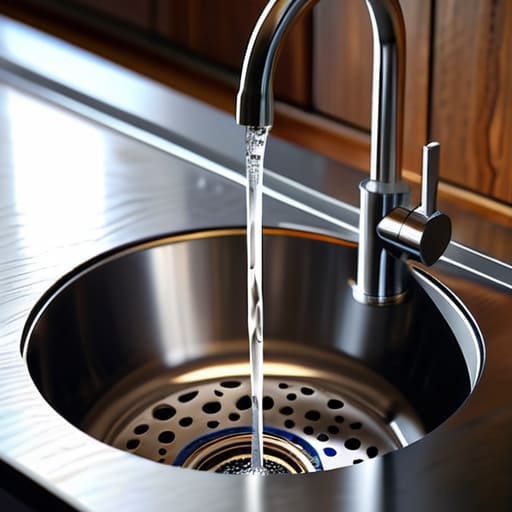

I’ve spent eighteen years pulling hair and lint out of washing machine pumps in Bristol, and if there’s one thing I’ve learned, it’s that people are far too quick to call for a plumber when things go wrong. Most folks think they need expensive chemicals or a heavy-duty snake the moment the water starts backing up, but half the time, cleaning a kitchen sink drain is just about getting your hands a bit dirty and finding the actual blockage. I once had a customer nearly demand a whole new sink installation because they thought the pipes had perished, only for me to find a clump of old grease and a stray spoon wedged right in the trap.
I’m not here to sell you on some fancy, scented foaming liquid that does nothing but eat away at your pipes. Instead, I’m going to show you the honest, practical way to tackle a clog without breaking the bank or your plumbing. We’ll go through the actual mechanics of the trap, the right tools to have in your cupboard, and how to keep things flowing so you don’t end up throwing money down the drain unnecessarily.
Guide Overview
Tools & Supplies
- Plunger (cup-style for creating suction)
- Old toothbrush (for scrubbing around the drain flange)
- Baking soda (1/2 cup)
- White vinegar (1/2 cup)
- Boiling water (1 kettleful)
Step-by-Step Instructions
- 1. First things first, clear out everything from under the sink. I’ve spent enough time elbow-deep in damp cupboards to know that you can’t fix anything if you’re constantly knocking over the washing up liquid or tripping over the bin. Get a bucket, a torch, and a pair of decent gloves ready. If you’re going to do this, do it properly so you aren’t searching for a rag halfway through.
- 2. Before you go pouring any harsh chemicals down there—and please, don’t use those caustic liquids that eat through your pipes—you need to check the P-trap. That’s the U-shaped bit of pipe underneath the sink. Place your bucket directly under the curve to catch whatever sludge or old food decides to drop out once you loosen the nuts. It’s usually a bit grim, but it’s better than a flooded kitchen floor.
- 3. Once the bucket is in place, unscrew the slip nuts by hand. If they’re been sitting there for a decade, you might need a pair of pliers, but try to be gentle with the plastic so you don’t crack the threading. Pull the trap straight down and tip the contents into your bucket. This is usually where the real culprit lives—that solid mass of congealed fat and hair that’s been causing the backup.
- 4. Take that U-shaped pipe over to another sink (or use a garden hose if you’re feeling brave) and give it a proper scrub. Use an old toothbrush or a small bottle brush to get the gunk out of the bends. If you leave a layer of slime inside, the clog will just come right back in a week’s time. I always say, if it doesn’t look clean, it isn’t clean.
- 5. While the trap is off, take a quick look inside the drain pipe coming out of the wall. If you see a blockage sitting in there, you can use a simple hand auger—what most people call a drain snake—to fish it out. You don’t need a professional plumber for this; you just need a bit of patience and a steady hand to guide the cable through the obstruction.
- 6. Now, put it all back together. Line up the trap, screw the nuts back on, and make sure the washers are seated correctly. If you don’t get the washers straight, you’ll have a leak that’ll drive you mad. Tighten them up firmly, but again, don’t overdo it with the tools or you’ll strip the plastic.
- 7. Finally, run the hot water. Start slow and watch every single joint under the sink. If you see even a tiny bead of water appearing, tighten the nut a fraction more. Once you’re sure it’s bone dry, pour a kettle full of boiling water down the drain to flush out any remaining residue. It’s a simple job, but it’ll save you a bloody fortune in call-out fees.
Understanding Cleaning a Kitchen Sink Drain
Look, I’ve spent nearly two decades pulling apart machines that people swore were “dead,” only to find a single piece of debris causing the whole drama. Your sink is no different. It’s not usually a catastrophic pipe failure; it’s just the slow accumulation of grease, food scraps, and soap scum that decides to call it a day right in the middle of your dishwashing. Most people jump straight to those harsh, caustic chemicals that can actually eat away at your pipes over time. I’ve always preferred unclogging kitchen sink naturally with a bit of patience and some basic household staples.
If you’re dealing with a bit of a stench, you’re likely looking at organic matter rotting in the trap. Before you go calling a plumber, try a simple mixture of baking soda and vinegar drain cleaner to break down that sludge. It’s not magic, but it’s a damn good way of preventing kitchen drain buildup before it turns into a proper headache. If you have a disposal, don’t forget that it needs a bit of love too; a few ice cubes and some citrus peels can do wonders for cleaning garbage disposal smell without needing a toolkit.
Key Things to Know
One thing I’ve learned after nearly two decades of tinkering with household bits is that you don’t always need a chemist’s lab to sort a slow drain. A lot of people reach for those harsh, caustic liquids that can actually eat away at your pipes over time. In my experience, unclogging kitchen sink naturally with a bit of baking soda and vinegar is far more sensible for your plumbing. It’s a gentle fizz that breaks up the organic gunk without the risk of melting a plastic joint or damaging an old seal.
If you’re dealing with a lingering scent, you’re likely looking at more than just a blockage; you’re dealing with trapped food particles. Removing kitchen sink odors often requires getting a bit more hands-on with the disposal or the trap itself. I always tell people that preventing kitchen drain buildup is much easier than fixing a flooded kitchen. A quick flush with hot water and a bit of regular maintenance goes a long way. It’s about being proactive rather than waiting until the water starts backing up onto your countertop.
A few things I’ve learned from years of looking under sinks
- Stop treating your drain like a bin. I’ve pulled out more bits of wet paper towel and old pasta than I care to count, and none of that belongs in the pipes, no matter how much water you run after it.
- Skip the heavy chemicals if you can. Those caustic liquids are hard on your plumbing and even harder on your skin; a bit of patience and some hot water usually does a better job without the nasty fumes.
- Get yourself a proper mesh strainer. It’s a tiny, cheap bit of kit, but it’ll save you an hour of swearing under the sink by catching the debris before it even gets close to the trap.
- Don’t be afraid of the P-trap. Most people think they need a plumber when they actually just need a bucket and a wrench to clear out the sludge sitting in that U-bend.
- Baking soda and vinegar aren’t magic, but they aren’t useless either. They won’t clear a massive clog, but they’re a decent way to freshen things up and shift a bit of grease before it turns into a real problem.
The Short Version
Don’t go buying fancy chemicals or calling a plumber just yet; nine times out of ten, it’s just a bit of grease or a stray bit of food causing the headache.
Prevention is easier than a cure, so stop pouring your cooking fats down the drain and start using a proper strainer to catch the bits before they settle.
If you’re going to use anything, stick to the basics like baking soda and vinegar or a plunger—don’t go nuking your pipes with harsh acids that’ll just eat the metal.
Don't Let a Clog Dictate Your Day
At the end of the day, cleaning your sink isn’t some complex engineering feat; it’s just about being a bit proactive. You’ve gone through the motions of checking the P-trap, clearing out the debris, and maybe giving it a proper soak with some natural cleaners. Remember, most of the trouble comes from the small things we ignore—a bit of grease here, a stray bit of food there. If you stay on top of the basic maintenance and avoid dumping fats down the pipes, you’ll save yourself from the headache of a full-blown blockage. It’s really just about preventing the buildup before it turns into a proper job.
I’ve spent nearly two decades pulling apart machines that people thought were dead, only to find they just needed a bit of attention and a steady hand. Your plumbing is no different. There is a certain satisfaction in knowing you can fix something yourself without having to wait around for a plumber to charge you a fortune just to clear a bit of sludge. Don’t be intimidated by a slow drain; treat it as a simple task rather than a disaster. Once you realize that most things aren’t actually broken, just neglected, you’ll find you have a lot more control over your own home.
Frequently Asked Questions
Is it actually safe to use those heavy-duty chemical cleaners from the supermarket, or am I just going to melt my pipes?
Look, I’ve seen enough melted plastic and corroded seals to last a lifetime. Those supermarket liquids are incredibly harsh. If you’ve got old lead or thin plastic piping, you’re playing a dangerous game. They work by eating through the clog, but they can just as easily eat through your plumbing. Honestly, if a bit of hot water and a plunger won’t shift it, reach for a zip-tie or a snake instead. Don’t cook your pipes.
How often should I be doing this if I don't have any major issues yet?
If you aren’t dealing with a full-blown backup, don’t wait for the water to start pooling. I usually tell people to give the drain a quick flush with boiling water and a bit of baking soda once a month. It’s like preventative maintenance on a washing machine; you don’t wait for the motor to seize before you clear the lint. A little bit of regular upkeep keeps the grease and gunk from hardening into a proper headache.
If the clog doesn't budge after a good clear-out, when is it time to stop poking at it and call a proper plumber?
Look, I’ve spent eighteen years pulling hair and grit out of machines, and I know when a job is beyond a simple fix. If you’ve cleared the trap and tried a plunger but the water still sits there like a stagnant pond, stop. If you start smelling raw sewage or see water backing up into the tub when you flush the toilet, that’s a main line issue. Don’t go poking around with chemicals; call a plumber before you break something more expensive.
