









I’ve lost count of how many times I’ve seen a perfectly good kitchen counter cluttered with “broken” appliances that were actually just waiting for a bit of common sense. People see a motor that won’t kick in and immediately think they need to drop two hundred quid on a new model, but most of the time, they just don’t know how to test a food processor properly before declaring it dead. I remember a lady in Clifton last month who was ready to bin a high-end Magimix because it “wouldn’t work,” only for me to find a bit of stray onion stuck in the safety interlock. It wasn’t a mechanical failure; it was just a ten-second fix.
I’m not here to sell you a fancy diagnostic kit or give you a lecture on electrical engineering. My goal is to show you how to listen to the machine and feel for the tells that actually matter. I’ll walk you through the real-world steps of checking the drive socket, the lid sensors, and the motor’s grunt, so you can stop guessing and start actually fixing. I’ve opened more of these things than most people will own, and I promise you, most of them aren’t nearly as broken as they look.
The Unbroken Machine How to Test a Food Processor Properly
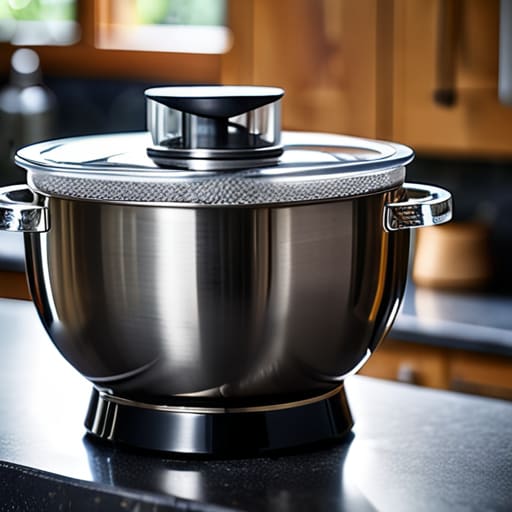
First things first, don’t just flick the switch and hope for the best. I’ve seen too many people assume a machine is dead because it stalled halfway through a batch of pesto. Start with a dry run. Once you’ve got the lid locked—and please, make sure it actually clicks, because those safety interlocks are the first thing to go—run it empty for a few seconds. You’re listening for the sound of the motor. You want a steady, purposeful hum, not a high-pitched whine or a rhythmic clicking. That’s your first real check on food processor motor strength; if it sounds like it’s struggling just to spin air, you’ve got a bearing issue or a dying motor on your hands.
Next, you need to see how it handles a bit of actual weight. Don’t go straight for a heavy dough, but try something mid-range like some softened butter or thick hummus. This is where you’ll notice if the gears are slipping. If you’re planning on using it for bread, testing dough kneading function with a small, tacky batch is the ultimate litmus test. If the machine bogs down or smells like scorched plastic immediately, stop. It’s better to catch a weak drive gear now than to burn the whole thing out trying to make a loaf of sourdough.
Measuring the Pulse Evaluating Food Processor Motor Strength
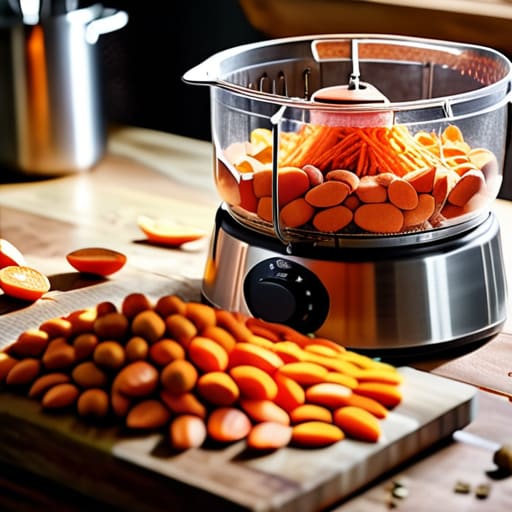
Once you’ve confirmed the motor actually turns, you need to see if it has any real teeth. I’ve seen plenty of machines that spin just fine with nothing in them, but the moment you add a heavy load, they wheeze and stall. To check the food processor motor strength, don’t start with something easy like soft herbs. Instead, try a bit of something dense—maybe some frozen carrots or a handful of nuts. You’re looking for a steady hum, not a strained, dying whine. If the motor bogs down and struggles to maintain speed under a light load, that’s a sign the brushes are wearing out or the motor is simply tired.
Another thing people overlook is the torque during heavier tasks. If you’ve got a model with a dough blade, you really need to focus on testing dough kneading function with a small batch of actual bread dough. It’s the ultimate stress test. If the machine can handle the resistance of a thick dough without smelling like burning plastic, you’ve got a winner. If it stutters or smells “toasty” halfway through, it’s likely not going to last through a proper Sunday roast prep.
The Edge of Precision a Real World Blade Sharpness Test
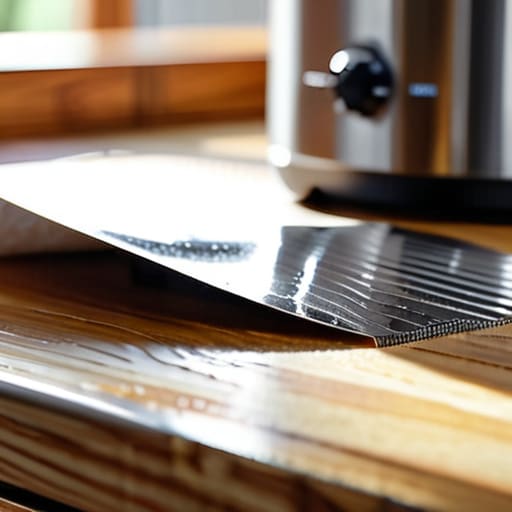
Now, you can have the strongest motor in the world, but if those blades are dull, you’re just making a warm, mushy mess instead of a proper chop. I’ve seen plenty of people toss a machine because it “wasn’t working,” only to find the blades had lost their edge from being shoved into a drawer or washed poorly. To perform a proper blade sharpness test, don’t just look at them. Take a piece of damp paper towel and hold it steady—don’t be brave, just be careful—and lightly run the edge of the blade across it. If it slices through like butter, you’re golden. If it tears or drags, you’ve got a problem.
If the blades look fine but your results are patchy, it might not be the steel; it could be how the machine is handling the load. I always suggest testing grating consistency with something simple like a hard carrot or a block of cheddar. If the pieces are uneven or the machine starts to struggle and bog down, you’re likely looking at a dull blade or a motor that’s losing its fight against the friction.
From Dough Kneading Function to Testing Grating Consistency
Once you’ve checked the motor and the blades, you need to see how the machine handles a real load. I’ve seen plenty of people get a brand new unit home, only to have it stall out the first time they try to make a batch of bread. When you’re testing dough kneading function, don’t just go for a massive pile of flour. Start with a small, tacky amount of dough to see if the drive gear can actually handle the resistance without slipping or making that high-pitched whining sound that tells you the motor is struggling.
After the heavy lifting, it’s time to look at the finer details, specifically testing grating consistency. Swap in your grating disc and try something uniform, like a block of hard cheddar or a carrot. If you end up with a mix of fine dust and giant, uneven chunks, the spindle might be wobbling or the attachment isn’t seating properly. It’s not about whether the machine turns on; it’s about whether it actually does the job it was built for without turning your dinner into a mess.
Avoiding Kitchen Appliance Troubleshooting With a Capacity Guide
Most people don’t realize that they aren’t actually breaking their machines; they’re just suffocating them. I see it all the time in Bristol—someone tries to whip up a massive batch of pesto or a heavy dough, and suddenly the motor smells like it’s burning. They think the machine is dead, but really, they’ve just ignored a basic food processor capacity guide. If you cram the bowl to the brim, you aren’t testing the machine’s limits; you’re just begging for a breakdown.
When you overload the bowl, you put unnecessary strain on the internal components, which leads to endless kitchen appliance troubleshooting that could have been avoided with a bit of common sense. It’s not just about the volume of food, either. If you’re testing dough kneading function with a mass that’s too heavy for the specific model, you’re going to strip the gears or burn out the motor. Stick to the recommended levels. It’s much easier to process two smaller batches than it is to explain to a customer why their expensive appliance has become a very heavy, very useless paperweight.
Five Things I Look For Before I Let Someone Buy One
- Check the spindle, not just the motor. Run your finger along the drive shaft where the blade connects; if it feels wobbly or has any play in it, the whole thing is going to rattle itself to death within six months.
- Listen for the “death whine.” Turn it on and let it run for a full minute. A steady hum is fine, but if you hear a high-pitched squeal or a grinding sound, that’s a bearing crying for help, and you won’t be able to fix that without a full teardown.
- Smell for ozone. If you run it under a light load and catch even a faint whiff of something burning or metallic, walk away. That’s the motor windings overheating, and once that starts, it’s a one-way trip to the scrap heap.
- Inspect the seal, not the plastic. I don’t care how shiny the bowl is; if the rubber gasket around the base or the lid looks perished or cracked, it’ll leak liquid right into the motor housing, and that’s a mess you can’t unmake.
- Test the pulse button specifically. People focus on the continuous speed, but the pulse is what does the heavy lifting for chopping. If that switch feels mushy or doesn’t snap back immediately, the internal contacts are likely worn out.
Don't Bin It Before You've Actually Checked It
Most food processors aren’t actually dead; they’re just struggling with a dull blade or a motor that’s being asked to do too much at once.
Test the motor under a light load first—if it can’t handle a bit of soft fruit or liquid, it’s never going to tackle a heavy dough.
Keep your eyes on the seals and the blades; a machine that runs fine but leaks or shreds unevenly is just as useless as one that won’t turn on.
Don't Toss It Just Yet
At the end of the day, testing a food processor isn’t about being a scientist; it’s just about being sensible. You’ve checked the motor’s strength, confirmed the blades aren’t duller than a butter knife, and made sure the grating function actually does what the box promised. Most importantly, you’ve looked past the surface to see if the machine actually has the guts to do the job. If you’ve gone through these steps and the machine is still struggling, it’s usually something simple—a jammed spindle or a worn-out seal—rather than a total mechanical failure. Don’t let a minor hiccup turn a perfectly good appliance into landfill.
I’ve spent eighteen years pulling motors out of bins that were still perfectly capable of chopping an onion. It’s a crying shame to see good engineering go to waste just because someone didn’t take ten minutes to see what was actually wrong. My advice? Treat your tools with a bit of respect, give them a proper once-over before you decide they’re dead, and remember that most things are fixable. A little bit of patience and a bit of common sense will save you a lot of money and keep a lot of unnecessary plastic out of the scrap heap.
Frequently Asked Questions
If the motor sounds fine but it's still not spinning, could it be a faulty connection in the lid rather than a broken machine?
Spot on. I’ve seen this dozens of times. If the motor’s humming but the blades are dead still, you’re likely looking at a safety interlock issue. Most of these machines have a little sensor or a pin in the lid to stop them spinning while you’re reaching in. If that connection is wonky or the plastic tab is snapped, the machine thinks the lid’s off and refuses to engage. It’s a tiny fix, not a dead motor.
Is it worth trying to sharpen the blades myself, or am I just going to ruin the balance of the whole assembly?
Look, I’ll be straight with you: unless you’ve got a steady hand and a decent whetstone, don’t touch them. Most people try to sharpen those blades with a kitchen knife or a cheap grinder, and before they know it, they’ve taken too much metal off one side. Once you ruin that balance, the whole assembly starts vibrating like a pneumatic drill, and that’s how you end up snapping a drive shaft. Just buy new blades.
How can I tell if the smell of burning plastic is just a new motor settling in or if the whole thing is about to give up the ghost?
That smell is always a bit unnerving, isn’t it? If it’s brand new, a faint, singed scent for the first few uses is usually just the protective coating on the motor windings settling in. It should fade quickly. But if it smells like something is actually melting, or if you see smoke, stop immediately. That’s not “settling”—that’s a motor struggling against a jam or a failing bearing. Don’t risk it.
